
By: Kate Sarmiento
Somewhere between the third delivery app on your phone and the grocery order that shows up before you finish writing the list, convenience stopped being a nice extra and became the entire sales pitch. Foxhollow Farm, a 1,300-acre biodynamic farm in Crestwood, Kentucky, has spent nearly twenty years betting that this pitch leaves something out. That bet is starting to look less like nostalgia and more like foresight.
For a while, speed won every argument. One-click checkout, same-day delivery, apps that guess your order before you type it. Shoppers now expect retailers to hand them a product within hours, not days, and roughly eight in ten say same-day delivery has moved from a perk to a baseline expectation (Source: Capital One Shopping, 2026). Miss that window and people notice. Forty-three percent of online shoppers have abandoned a purchase because the delivery timeline felt too slow (Source: Capital One Shopping, 2026).
Food got swept into the same current, maybe faster than anything else. Meal kits, grocery apps, and one-tap reorders turned dinner into a logistics problem to be solved rather than a meal to think about. By late 2021, sixty-one percent of consumers were ordering takeout or delivery at least once a week, up from 29 percent a year earlier and 18 percent before the pandemic (Source: Deloitte, 2021). You didn’t wake up one day and decide food should work like a subscription box that restocks itself. It started feeling normal, one fast checkout at a time, until normal was all you remembered.
The Bill Comes Due Eventually
Speed solves a scheduling problem. It does not answer questions about what is on the plate, and shoppers have started asking those questions anyway, often without meaning to. Fifty-nine percent of Americans now say knowing where their food comes from matters to them, up from 51 percent in 2017 (Source: IFIC, 2025). That is not a niche concern from people who read ingredient labels for sport. It is a majority, and it grew steadily while the delivery apps were busy shaving minutes off checkout time.
Part of the shift is trust, and trust turns out to be worth real money to companies willing to earn it. In a 2016 transparency study, seventy-three percent of consumers said they would pay more for a product that offers full transparency about its sourcing, and 94 percent said they would stay more loyal to a brand that practices it consistently (Source: Label Insight via NBC News, 2016). People are curious about where dinner came from. They are also willing to open their wallets a little wider for a straight answer, and they remember which brands gave them one.
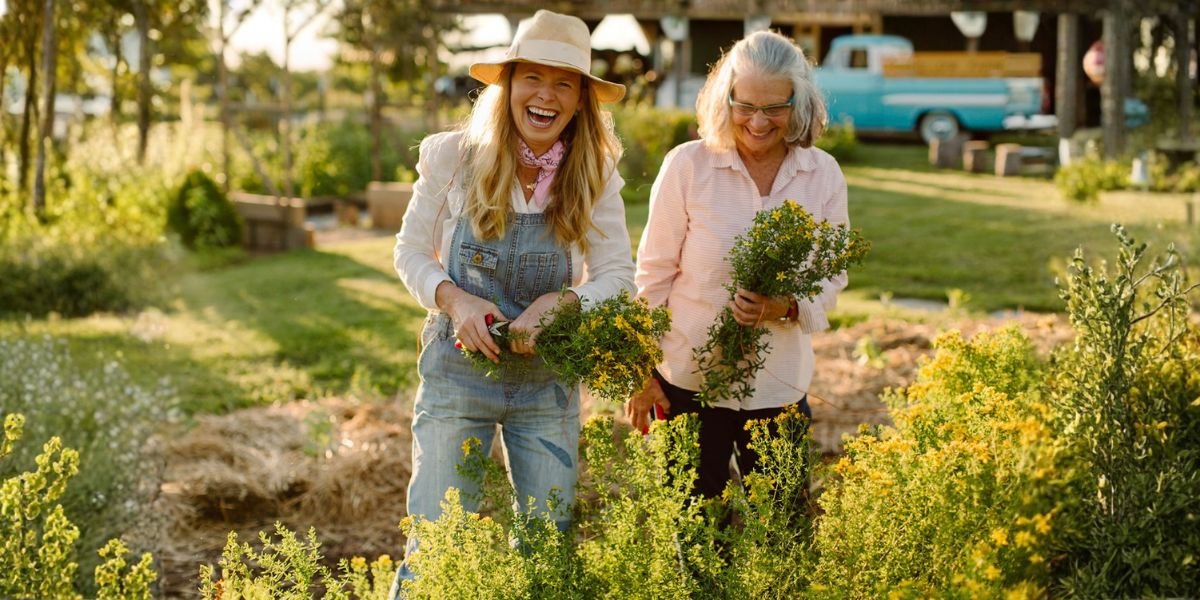
Maggie Keith has been building toward that straight answer since 2006, back when regenerative agriculture sounded more like a science fair project than a business plan. As the fourth-generation steward of Foxhollow Farm, she reintroduced cattle to land that badly needed rebuilding and started farming under Demeter Certified Biodynamic standards, a designation that treats soil, animals, and people as one connected system instead of separate line items on a spreadsheet. Twenty years later, Foxhollow also holds Regenified Level 5 certification, the highest tier available under that framework, along with American Grassfed Association certification. None of that happened on a delivery-app timeline, and none of it was designed to.
What Foxhollow Farm Sells Is Not Only Beef
Foxhollow ships 100 percent grassfed, grass finished beef directly from its Kentucky pastures to households along the East Coast, cutting out the layers of processors and distributors that usually sit between a cow and a dinner plate. The farm’s own language for this is blunt: no middlemen, no shortcuts. That reads like a tagline, but it also describes an operational choice that took two decades to build out. Every animal is raised without hormones, pesticides, or herbicides, on land the family has been rebuilding since long before “regenerative” showed up in marketing decks across the industry.
That last part carries more weight than it first sounds. Plenty of farms lean on nostalgia for the past. Foxhollow has spent its energy building something that functions today, with fifteen employees and a direct-to-consumer shipping model, so a fifth generation might have a farm worth inheriting rather than a museum piece. Two decades in, Maggie describes the work less as an experiment and more as a demonstration of a method that already works, tested against real weather and real customers who could have chosen the faster option at any point and didn’t.
Convenience Isn’t Going Anywhere, But It Has Company Now
None of this means convenience is finished. Nobody is trading a grocery app for a horse and a plow. The kind of convenience worth keeping is shifting, and some of it starts to feel hollow once you look closer. A shopper who wants beef delivered to their porch in two days is still chasing convenience, plainly. The difference is that a growing share of that same shopper also wants to know the animal spent its life on pasture in Crestwood, Kentucky, not shuffled through a feedlot they will never see or hear about.
Brands outside agriculture are running into the same math. Consumers who trust a company will pay more for what it sells, with 87 percent of shoppers in a 2025 survey saying they would pay more for a product because they trust the brand behind it (Source: Salsify, 2025). Speed is easy for a competitor to copy. A twenty-year, traceable track record is not, and that gap is exactly where the real advantage sits inside all this transparency talk. It is much harder to fake than a same-day shipping badge slapped on a checkout page.
Foxhollow’s bet was never that people would stop wanting things quickly. The bet was that once shoppers got everything fast, some of them would start asking what got left out along the way and go looking for a farm willing to answer that question instead of dodging it with a press release.
Taste Where This Is Going
Convenience got food shopping here. Curiosity about where that food comes from is going to decide what happens next, and Foxhollow Farm has spent twenty years positioning itself to answer that question instead of avoiding it. The farm sells its 100 percent grass-fed beef direct to households, including beef subscription boxes and seasonal beef bundles that ship from Crestwood, Kentucky. Whether slow food holds its ground against fast delivery is a question the next twenty years will settle. Foxhollow has already placed its bet.