
In an age dominated by rapid-fire headlines, social media algorithms, and endless streams of information, it is easy to assume that poetry has become a quieter voice in public discourse. Some writers continue to turn to verse not as an escape from reality, but as a direct response to it.
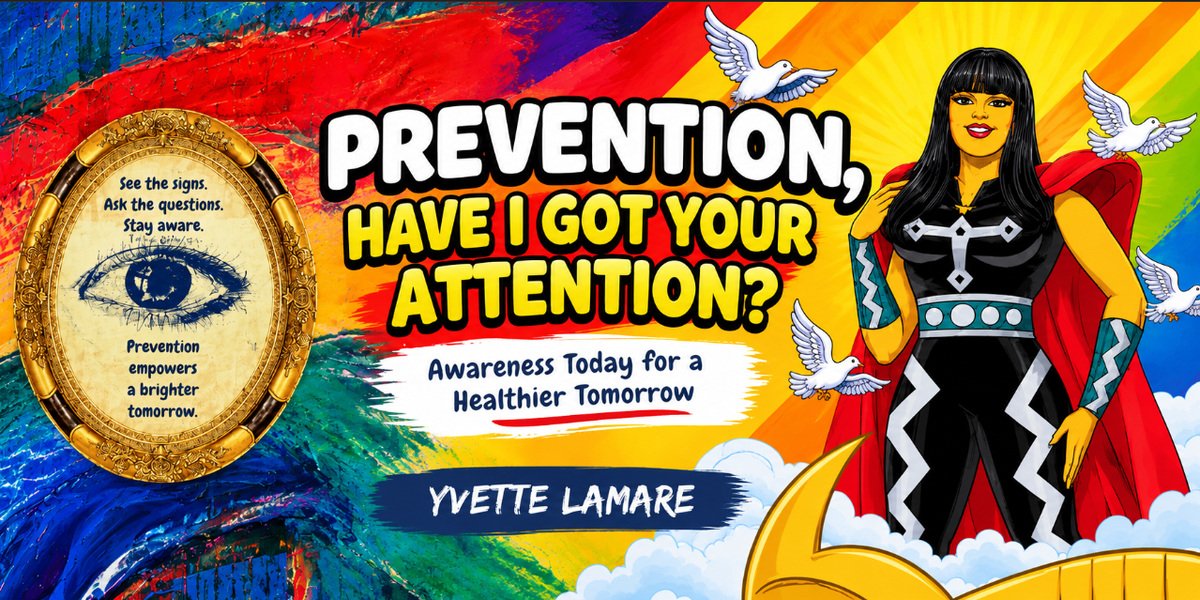
That belief sits at the heart of Words To The Rescue, an upcoming collection by New Zealand poet Yvette Lamare. Scheduled for release soon, the book arrives at a moment when communities around the world are struggling with issues that feel increasingly urgent. Mental health struggles, substance abuse, cyberbullying, family breakdown, social isolation, and the lasting consequences of violence and addiction. What makes Lamare’s collection distinctive is its determination to address these subjects head-on.
Rather than approaching poetry as a purely personal or abstract art form, she uses it as a vehicle for conversation. Across dozens of poems, readers encounter reflections on drink driving, drug addiction, suicide prevention, domestic violence, depression, grief, peer pressure, and the everyday challenges facing young people and families. The collection also expands beyond social issues to explore themes of peace, cultural identity, childhood, resilience, and hope. The timing feels particularly relevant.
Many societies are currently asking difficult questions about how to address growing mental health concerns, support vulnerable communities, and create healthier environments for future generations. Governments, educators, healthcare professionals, and community leaders continue searching for solutions, yet meaningful change often begins with awareness. Art has historically played a role in creating that awareness.
Whether through novels, songs, films, or poetry, creative expression has long helped people process difficult realities in ways that statistics and policy reports alone cannot. Poetry, in particular, has the unique ability to distill complex emotions into language that feels immediate and personal. For Lamare, these themes are not theoretical.
The collection is informed by decades of lived experience, including surviving a drink-driving accident and later enduring the devastating loss of her younger sister in a similar tragedy. Those experiences became a reason for writing that sought not only to express grief but also to encourage prevention and understanding. That perspective gives Words To The Rescue a sense of purpose that extends beyond the page.
The poems frequently speak to young people standing at crossroads. Moments where a decision about alcohol, drugs, relationships, or personal conduct can have lasting consequences. The collection avoids presenting these issues solely as individual struggles. Instead, it highlights the broader networks of families, schools, communities, and social influences that shape human behavior. Underlying the work is a simple but enduring idea: words matter.
Words can educate. Words can warn. Words can comfort. They can challenge assumptions, start conversations, and provide support during moments of uncertainty. At a time when public dialogue often feels increasingly polarized, the belief that language can still foster empathy is a notable one. As the forthcoming release of Words To The Rescue approaches, the collection raises a timely question. In a world facing complex social challenges, what role can literature still play?
Yvette Lamare’s answer appears to be that poetry remains more than an artistic exercise. It can be a form of advocacy, reflection, and connection. One that invites readers not only to observe the world around them, but to consider how they might help shape it for the better.