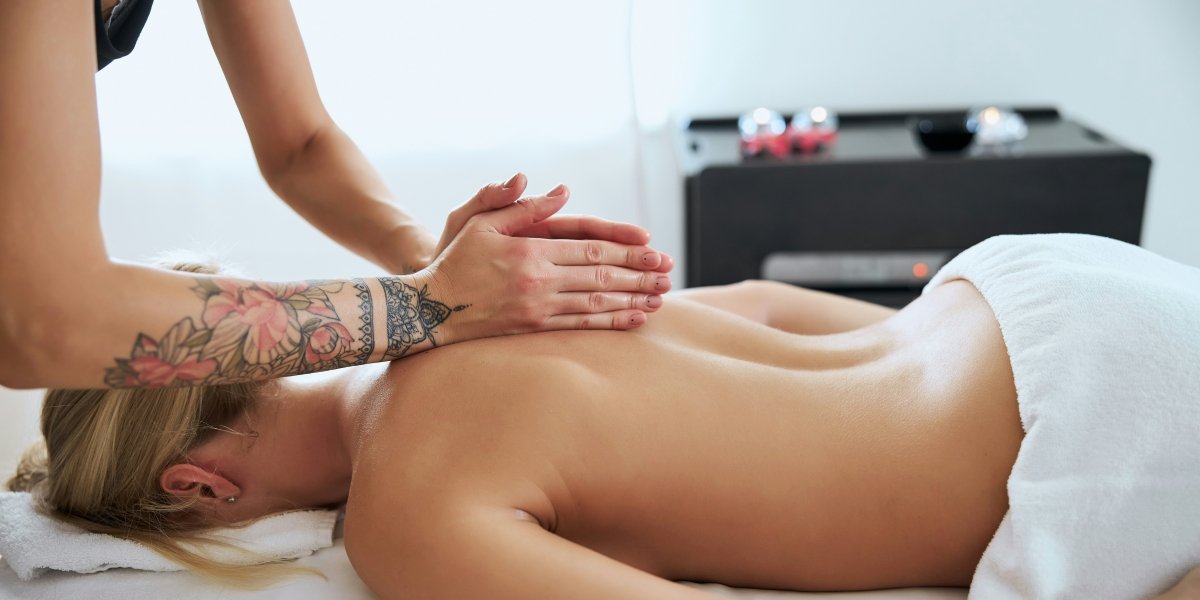

Many holistic health care practitioners enter the field because they want to help people feel better, not because they want to run a company. Massage therapists, craniosacral practitioners, and movement trainers spend years refining their hands-on skills, yet the business side of the work, from finding affordable space to securing a steady flow of clients, often receives far less attention. Gregory Serdahl, a massage therapist and the president of Mpower Bodywork & Wellspace, has spent more than three decades balancing client care with running a business. His experience shows what it takes to make a practice financially sustainable without losing sight of the work itself.
Independent practitioners must cover rent, manage schedules, keep their training current, and earn the trust of clients who may be new to complementary care. Those who work with gyms, hospitals, and sports organizations also need to provide reliable services that meet each partner’s standards. Managing these responsibilities alongside client care takes dependable business systems that keep the practice running without pulling practitioners away from the work they’re trained to do.
The Business Gap in Holistic Health Care
Training in massage and bodywork centers on anatomy, technique, and client care. Those are the foundations of good practice, but they leave many new practitioners unprepared for the realities of working independently. A therapist who is excellent in the treatment room may still struggle with overhead, marketing, and the unpredictable appointment schedule that comes with building a client base from scratch.
Clients also feel the effects of those business difficulties. When a skilled therapist leaves the field because they can’t make the business work, the community loses that expertise. Holistic modalities such as craniosacral therapy, myofascial release, and movement-based training often work ideally over a series of sessions, which means practitioners need to be available long enough to see clients through. A stable practice makes that continuity possible.
Business models that help practitioners stay in the field tend to do a few things well: reduce the fixed costs they carry alone, give them reliable ways to reach clients, and maintain clear standards as the business grows. Gregory Serdahl incorporated each of these into his own business.
How Gregory Serdahl Moved From Practice to Management
His path into wellness began in the arts. Serdahl earned a Bachelor of Arts in Theater from the University of California, Irvine, and later served as artistic director of the Alisal Center for the Fine Arts in Salinas, California, an organization serving a primarily Hispanic migrant farmworker community. There, he managed daily operations, budgeting, fundraising, and donor relations. The role introduced him to the practical demands of running a mission-driven organization.
After graduating from the Swedish Institute’s massage program in New York City in 1990, he took part in massage programs at Michael O’Shea’s Sports Training Institute. In 199, he founded Serdahl Associates, which later became Massage America, Ltd. The company grew to manage massage programs for fitness clubs, athletic facilities, hospitals, and a professional football team.
Many practitioners reach a similar point when they consider expanding. Growing beyond a single treatment room requires a different skill set: hiring, scheduling, negotiating with partner organizations, and maintaining consistent standards. Some practitioners prefer to stay focused on clinical work, and that’s a valid choice. For those who want to expand, the transition is easier when they treat management as a skill to develop, not a distraction from the work they care about.
Shared Space as a Practical Starting Point
One of the direct ways to support independent practitioners is to lower the cost of having a professional place to work. That’s the idea behind Wellspace, a rental space for holistic health care practitioners that Gregory Serdahl created alongside his massage business. Rather than signing a long lease and furnishing a full office, a practitioner can rent treatment space and put more resources into building a client base.
Shared space offers several advantages for someone early in a career or working part-time. Practitioners pay for the space they use. They also have a professional setting from the start, which matters to clients deciding whether to trust a new therapist. Practitioners working under one roof can also learn from one another, refer clients across modalities, and build the kind of informal network that’s hard to create alone.
Before choosing a shared space, practitioners should ask a few practical questions. Does the space suit the specific modality? How are scheduling and booking handled? What happens if needs change? Does the setting match the experience clients expect? A shared space works ideally when it supports the practitioner’s work rather than dictating it.
Bringing Holistic Work Into Institutional Settings
Working with established institutions offers another way to build a practice. Through Massage America, Serdahl managed massage programs for Crunch Fitness, several New York Sports Club locations, and the New York Football Giants. The company later partnered with Mount Sinai and NYU hospitals, the Printing House Athletic Club, and the Manhattan Athletic Club.
Each setting brought different expectations. Athletic organizations needed therapeutic work aligned with training cycles and recovery goals. Healthcare settings required adherence to clinical standards. Fitness clubs needed services that fit members’ routines. Working across these environments showed that wellness services can thrive in athletic and medical settings when practitioners understand the priorities of the organization they serve.
For practitioners, institutional work can provide a steadier flow of appointments and exposure to a wider range of clients. But partners also expect consistent quality, clear communication, and an understanding of how bodywork fits their larger goals, whether that means supporting athletes through recovery or meeting the expectations of a health care environment.
Quality Control and Hands-On Leadership
Expanding from one therapist to many introduces a new challenge: keeping the client experience consistent. Over his career, Gregory Serdahl has employed hundreds of massage therapists. Managing programs across multiple sites required him to stay closely involved in daily operations, staff supervision, and care quality.
Growing practices need clear standards. When working alone, a practitioner is directly responsible for every client’s experience. Once others are involved, practitioners must document, teach, and check expectations for technique, client communication, and professionalism. Those expectations must also cover privacy. Clients who trust a practice with their health expect discretion from every practitioner, not only the founder.
Continuing education helps maintain those standards. Serdahl’s own training includes certification in Yogic Neuromuscular Therapy, a technique he learned from the late Dyal Singh Khalsa; certification in Biodynamic Craniosacral Therapy; and certification as a Gyrotonic trainer. Ongoing learning helps practitioners develop their skills and gives clients and partners confidence that the practice takes that development seriously.
Practitioners who own a business also have to decide how much hands-on work to keep doing. Serdahl continued working as a massage therapist while managing Massage America, treating clients from sports, politics, media, and the arts. His practice draws on deep tissue massage, Swedish techniques, trigger point therapy, myofascial release, and craniosacral therapy.
Continuing to treat clients has practical benefits for a business owner. It keeps the owner close to what clients actually experience, makes it easier to train and evaluate staff, and keeps decisions grounded in the realities of the work. It also helps maintain a focus on long-term client outcomes rather than short-term symptom relief alone, with attention to lifestyle as well as physical treatment.
Lessons for Practitioners Building a Business
Holistic practitioners can take several practical steps to make the business side more manageable. Start with a structure that limits fixed costs, such as shared or rented treatment space. Learn the priorities of any institution before proposing a partnership. Put standards in writing before growth makes them urgent. Keep investing in training, and stay connected to the clinical work wherever possible.
Mission-driven work still needs budgets, fundraising, and administration. Serdahl first encountered those demands in nonprofit arts leadership and later applied what he’d learned to wellness. Practitioners don’t have to choose between caring for clients and running a sound business. Keeping the business stable gives them the time and resources to continue providing care.
Gregory Serdahl is a massage therapist and wellness entrepreneur who founded Serdahl Associates (later Massage America, Ltd.), Mpower Bodywork, and created Wellspace, a rental space for holistic health care practitioners. A graduate of the University of California, Irvine, and the Swedish Institute, he is certified in Yogic Neuromuscular Therapy and Biodynamic Craniosacral Therapy. He also serves as President of the Kenneth G. Mills Foundation.
Disclaimer: This article is provided for general informational and educational purposes only and is not intended to provide medical advice, diagnosis, or treatment. The wellness practices, massage techniques, and complementary approaches described in this article may not be appropriate for everyone and should not be considered substitutes for evaluation or treatment by a qualified healthcare professional. References to potential benefits, client experiences, or approaches to wellness do not constitute guarantees of results or established medical claims. Individuals with health concerns, injuries, persistent symptoms, or medical conditions should consult an appropriately qualified healthcare professional before beginning any new treatment or wellness program.