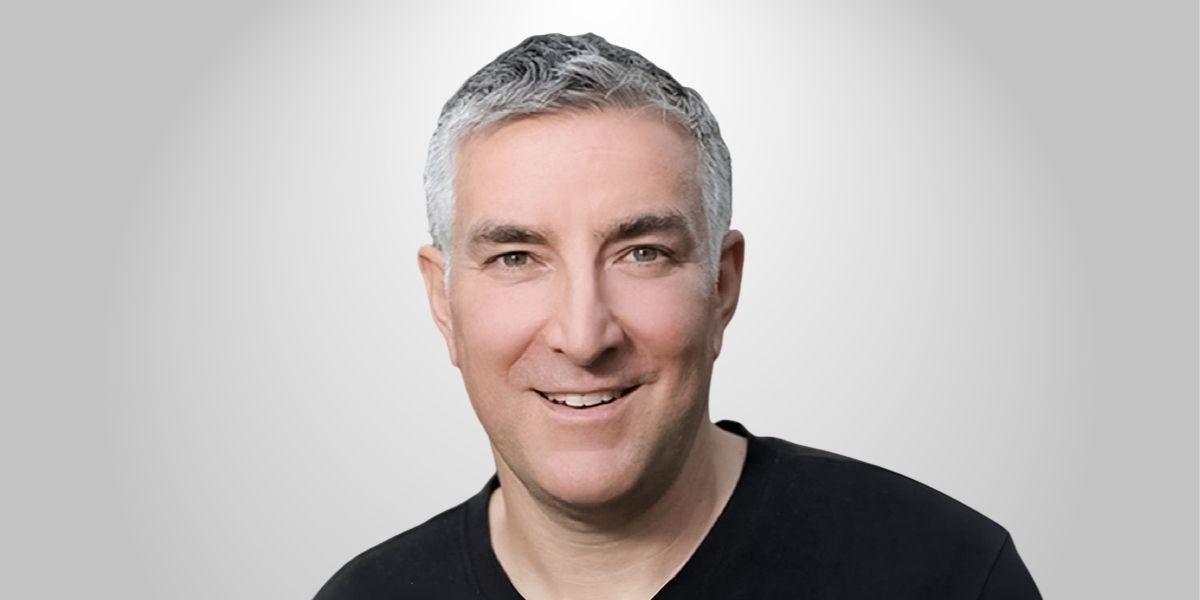

At Aux Mode, founder Adam Rumanek brings his experience in YouTube, content rights, and digital monetization together to help clients grow their digital content. He focuses on getting more value from finished video assets.
For rights holders with an established English catalog, dubbing can extend the reach of already produced content. Instead of treating localization as a separate production project, Adam Rumanek sees it as a way to give existing assets more distribution opportunities.
From One Catalog to Three Markets
A large video library does not require producing three separate sets of programs. The source asset already exists. The work is deciding which titles justify localization and building a repeatable process.
AI dubbing makes this approach more accessible. Low-cost or free tools can create Spanish and Portuguese versions without traditional studio costs. Quality control remains important. Translation errors, pronunciation issues, timing problems, and unsuitable phrasing can hurt a channel.
Research published by MIT Press, “Dubbing in Practice: A Large-Scale Study of Human Dubbing,” examined 319.57 hours of professionally produced video across 54 titles. The study found that vocal naturalness and translation quality matter greatly in dubbing. Timing and lip-sync also matter, but they must be balanced with other qualities.
Why the Back Catalog Matters
The strongest opportunity may sit in videos that have already paid for their original production. A rights holder can create Spanish and Portuguese dubs, then test them with new audiences. If one language performs well, the rights holder can localize more of the catalog.
This creates a three-layer asset model: the English video, a Spanish version, and a Portuguese version. Separate language channels can give each market its own programming identity.
YouTube supports multi-language audio tracks on individual videos. YouTube says creators using the feature have seen more than 25% of watch time from non-primary-language views. It also recommends comparing performance by audio language.
Channel structure still matters. One channel can keep audiences together. Separate Spanish and Portuguese channels can give each market clearer positioning. Adam Rumanek’s strategy treats language as a distribution decision, rather than simply a translation task.
Adam Rumanek Connects Localization With Rights
More languages create rights questions. A company must know who owns the video, who can distribute it, which territories are covered, and who controls monetization and Content ID.
This matters when licensing agreements apply. Spanish or Portuguese versions may require different territorial or time-based rights. Aux Mode recommends mapping assets by distributor, territory, YouTube rights, exclusivity, Content ID authority, and start and end dates.
A 2020 eye-tracking study published in The Journal of Specialised Translation examined how Spanish viewers process dubbed material. The findings show that dubbing involves more than replacing a voice track. Viewer attention and image-speech relationships matter too.
How Adam Rumanek Builds a Scalable YouTube Strategy
For a rights holder, the workflow can be organized around several steps:
- Audit the English catalog and identify titles with audience potential.
- Confirm language, territory, platform, and licensing rights.
- Produce Spanish and Portuguese dubs with AI tools and quality checks.
- Build publishing plans for the original and language-specific channels.
- Localize titles, descriptions, thumbnails, and other metadata where appropriate.
- Track watch time, views, retention, revenue, and claims by language and territory.
This is where Adam Rumanek’s broader work at Aux Mode becomes relevant. The company provides YouTube channel management, Content ID management, content protection, revenue reporting, territorial rights verification, and CMS audits. These services support multilingual distribution.
The Licensing Layer Matters
A multilingual strategy can create more commercial opportunities from one video, but each must stay inside the rights framework. A license might allow YouTube distribution in one country while excluding another. It may also grant specific Content ID rights or limit them to a defined period.
Adam Rumanek approaches this as much an asset-management issue as a channel-growth issue. Aux Mode’s rights process tracks territory ownership, licensing windows, claims, and authorized channels. This helps prevent Content ID conflicts with licensed partners.
This can protect revenue and make adding each new language easier. The process becomes repeatable, rather than requiring rights teams to start from scratch for every localized release.
A More Efficient Model for Global Video
Adam Rumanek’s YouTube content strategy points to a practical growth idea: the next opportunity may already exist inside the catalog. If one English video can be adapted for Spanish and Portuguese audiences at a lower localization cost, the same production investment can support more distribution paths.
YouTube says translated titles and descriptions can improve discovery, while multi-language audio lets viewers choose their preferred language on the same video.
The opportunity is larger than dubbing alone. It connects localization, channel strategy, licensing, rights management, and revenue reporting. That is the space where Adam Rumanek and Aux Mode help content owners turn existing video libraries into broader multilingual businesses.
Connect with Adam Rumanek on LinkedIn to learn more about YouTube content strategy, multilingual distribution, licensing, and digital video monetization.