
Walt Disney Co. reported adjusted earnings per share of $2.06 for its fiscal third quarter ended June 27, beating the Wall Street consensus estimate of $1.86 by 10.8% and marking the second consecutive quarter of stronger-than-expected profitability. Total segment operating income jumped 21% to $5.56 billion, driven by streaming profits that more than doubled and a theme parks division that posted 10% revenue growth despite headwinds from lower international attendance at domestic parks.
Key Takeaways
- Adjusted EPS reached $2.06, up from $1.61 a year ago and above the $1.86 consensus estimate.
- Total revenue rose 7% year-over-year to $25.25 billion, slightly below analyst expectations of $25.4 billion.
- Streaming operating income more than doubled to $712 million, with operating margins expanding from 6.6% to 12.9%.
- Theme parks and experiences revenue increased 10% to $9.97 billion, with segment operating income up 20% to $3.02 billion.
- Disney raised its fiscal 2026 share-buyback target to a minimum of $9 billion and announced a global content partnership with TikTok.
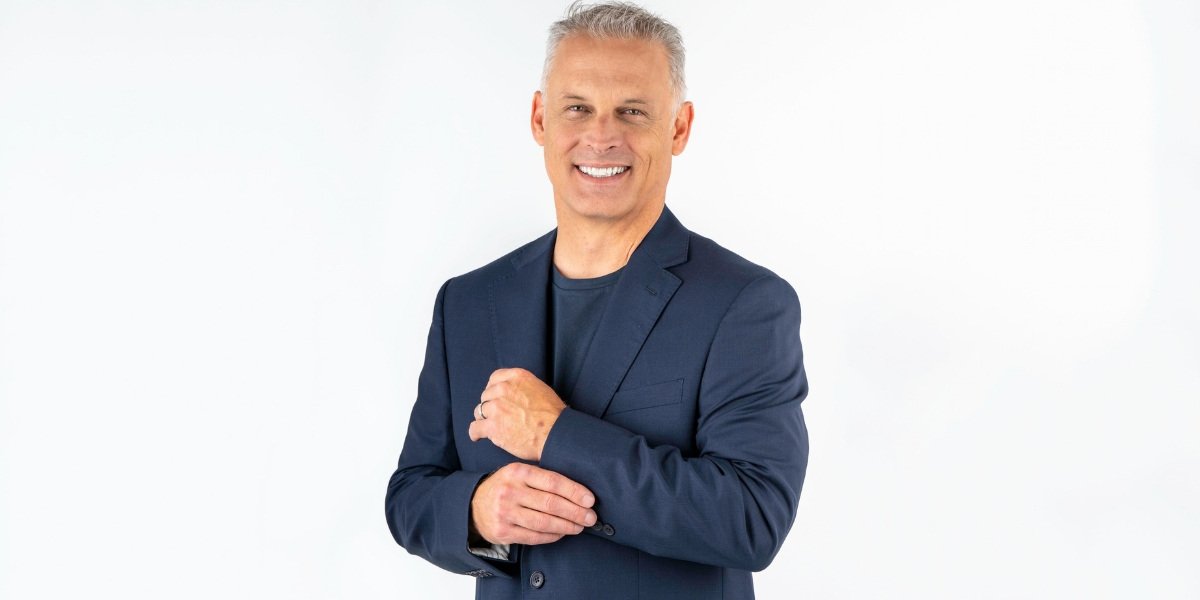
- The results mark CEO Josh D’Amaro’s first full quarter after succeeding Bob Iger in March 2026.
Streaming Crossed a Profitability Threshold That Eluded Disney for Years
The streaming numbers represent the headline story in the quarter. Disney’s entertainment streaming business, primarily Disney+ and Hulu, generated $712 million in operating income, up from $329 million in the year-ago period. That represents a 116% increase and pushed operating margins from 6.6% to 12.9% in a single year. Subscription revenue climbed 15% to $4.72 billion, driven by a combination of subscriber growth and the effects of recent price increases across both platforms.
Streaming advertising revenue rose 3% to $851 million, and total entertainment streaming revenue reached $5.53 billion, an 11% increase year-over-year. Disney did not disclose separate subscriber counts for Disney+ or Hulu in the quarterly report. The company completed its acquisition of Fubo during the quarter, which contributed a 4% revenue boost to the broader entertainment segment, though Fubo reported its own earnings separately.
The margin expansion is the metric that separates this quarter from prior periods of streaming growth. Disney spent years absorbing billions in losses to build its direct-to-consumer platforms, and the fiscal Q3 results show that the combination of price increases, password-sharing crackdowns, and advertising tier adoption has pushed the business past a structural break-even point and into sustained profitability. Whether that trajectory holds through the seasonally weaker fall months will be a key question for investors heading into the fiscal fourth quarter.
Theme Parks Delivered Despite Consumer Spending Pressures
Disney’s experiences segment, which encompasses theme parks, cruise lines, and consumer products, generated $9.97 billion in revenue, a 10% increase from the prior year. Segment operating income rose 20% to $3.02 billion. Per capita ticket revenue at the parks increased 5%, reflecting continued pricing power even as broader consumer sentiment surveys have shown signs of caution.
Domestic parks showed particular strength. Walt Disney World and Disneyland both reported higher guest volumes compared to the prior-year quarter, and Disney Cruise Line contributed additional capacity from fleet expansion. Disneyland Paris also posted strong attendance growth following the opening of World of Frozen, a new themed area that has drawn visitors since its debut earlier this year.
The segment was not without pressure. CEO Josh D’Amaro acknowledged on the earnings call that international attendance at domestic parks continued to face headwinds, a trend Disney attributed to higher travel costs and the broader effects of elevated energy prices on international consumer spending. Comcast’s NBCUniversal reported similar dynamics at its Orlando parks during the same period, pointing to a sector-wide challenge rather than a Disney-specific issue.
D’Amaro’s First Full Quarter Sets the Tone for a New Leadership Era
The fiscal Q3 results represent D’Amaro’s first full quarter as CEO after succeeding Bob Iger in March 2026. D’Amaro, who previously led the parks and experiences division, used the earnings call to frame his strategic priorities around franchise coordination, data sharing across business units, and what he described as building “seamless fan experiences” that connect Disney’s content, parks, and consumer products into a unified ecosystem.
D’Amaro told investors that the company’s results demonstrate that “coordinating our franchises, sharing data and technology, and building seamless fan experiences works.” The CEO also highlighted that despite consumers having “more options than ever for their time,” Disney’s financial performance indicates that audiences continue to prioritize the company’s content and experiences over competing alternatives.
During the quarter, Disney announced the sale of its 50% stake in A+E Global Media to Hearst for $1.2 billion in cash, a move that simplifies the company’s portfolio and funds a portion of the expanded share-buyback program. Disney also revealed a global short-form content partnership with TikTok, signaling an effort to reach younger audiences on platforms where Disney’s traditional distribution channels have less presence. The consumer products business is being moved under the Studios division from its longtime home in the Experiences segment, a structural change that D’Amaro described as aligning merchandising more closely with franchise content cycles.
Box Office Strength and Sports Viewership Added Revenue Layers
Disney’s entertainment segment posted revenue of $11.35 billion, a 6% increase, with segment operating income surging 64% to $1.68 billion. Toy Story 5, which surpassed $1 billion at the global box office during the quarter, was the primary theatrical driver. The film’s commercial performance validated Disney’s continued investment in franchise sequels as a content strategy, following the success of Zootopia 2 and Avatar: Fire and Ash earlier in the fiscal year.
Sports revenue through ESPN increased 4% to $4.50 billion, with advertising revenue up 5%. However, sports operating income fell 17% to $858 million due to higher programming costs and the timing of new NBA rights expenses. D’Amaro highlighted that NBA Finals and NHL postseason viewership grew over 100% across ESPN and ABC compared to the prior season, making it the most-watched fiscal Q3 for ESPN’s linear platforms since 2016.
Disney raised its full-year share-buyback target from $8 billion to a minimum of $9 billion, funded in part by the A+E divestiture proceeds. Under GAAP accounting, net income fell to $2.64 billion from $5.26 billion a year ago, though the company attributed the year-over-year decline to one-time tax benefits included in the prior-year quarter related to Hulu’s tax classification. On an adjusted basis, the earnings trajectory showed clear improvement across every major operating segment.
FAQs
How Did Disney’s Streaming Business Perform in Q3?
Disney’s entertainment streaming unit (Disney+ and Hulu) generated $712 million in operating income, more than double the $329 million reported a year ago. Operating margins expanded from 6.6% to 12.9%, and subscription revenue rose 15% to $4.72 billion.
Who Is Disney’s New CEO?
Josh D’Amaro became CEO in March 2026, succeeding Bob Iger. D’Amaro previously led Disney’s parks, experiences, and products division. The fiscal Q3 report marks D’Amaro’s first full quarter in the role.
Did Disney Beat Earnings Expectations?
Disney beat adjusted EPS expectations by 10.8%, reporting $2.06 versus the $1.86 consensus. Total segment operating income also exceeded forecasts at $5.56 billion. Revenue of $25.25 billion came in slightly below analyst expectations of $25.4 billion.