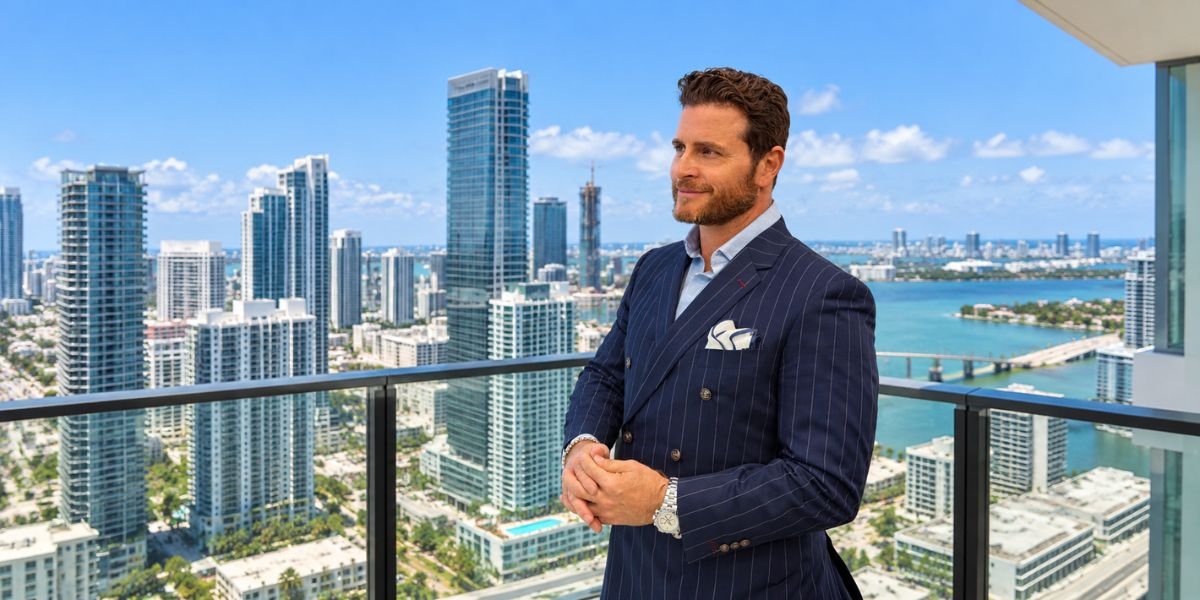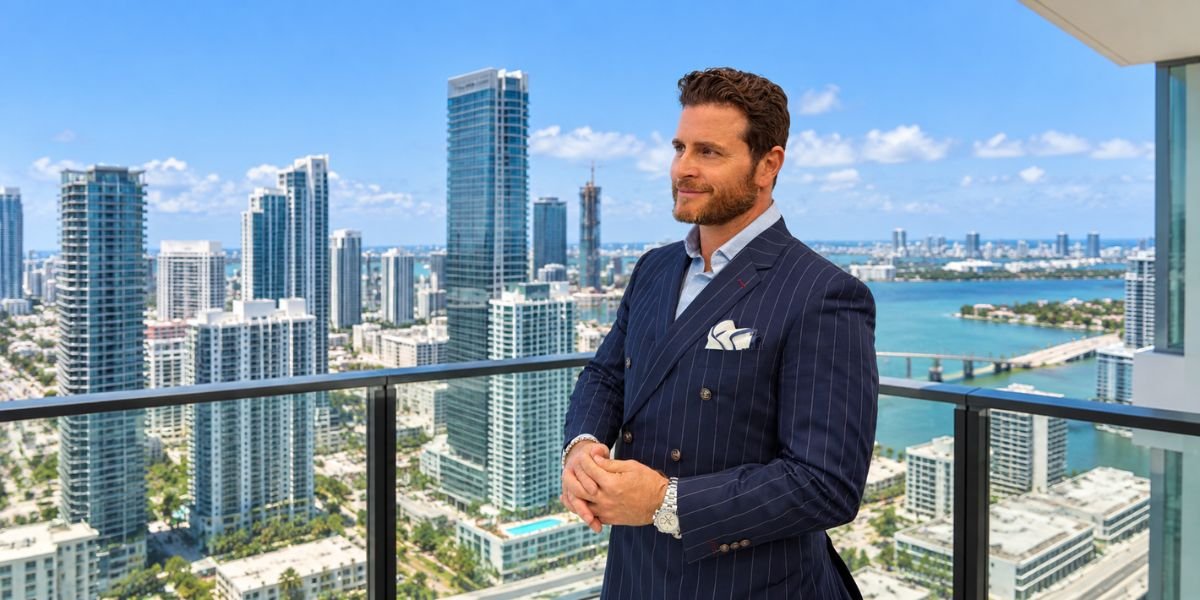

Why walkability, neighborhood character, and everyday convenience are becoming part of the conversation about what makes a Miami address desirable.
For years, Miami luxury real estate has been marketed through familiar images: a sweeping water view, a dramatic tower, a private pool, or a spectacular entrance. Those features still matter. But the way people evaluate where they want to live is becoming more layered.
Increasingly, the value of a home is also measured in the life that begins when its front door opens. How easily can a resident reach a favorite café, a park, a fitness studio, a restaurant, or the places they visit every week? How much of the day is spent driving, and how much can be spent actually enjoying the neighborhood?
For Sebastian Acosta, who has worked in Miami real estate since 2004 and follows the city through his involvement with Brickell News, this is an important part of understanding the market: a property is not separate from the streets and community around it.
The luxury of getting time back
Walkability may sound like a planning term, but for residents it is intensely practical. It can mean a shorter trip for coffee, an evening walk, a nearby park, or being able to meet friends without planning every outing around a car.
The National Association of REALTORS®’ 2026 Community and Transportation Preference Survey found that 89% of respondents considered sidewalks and places to walk important when deciding where to live. Eighty-two percent said being within an easy walk of shops and parks mattered, and 63% said they would be willing to pay more to live in a community where those destinations were easy to reach. These are national findings, not a Miami-only poll, but they help explain why neighborhood experience belongs in the homebuying conversation.
Miami’s neighborhoods offer different versions of convenience
Miami does not have one definition of a walkable lifestyle. Brickell offers a dense urban environment, with offices, restaurants, residential towers, and services close together. Coconut Grove has a different rhythm, shaped by its village-like commercial areas, mature trees, waterfront access, and established residential streets. Other neighborhoods offer their own balance of quiet, culture, retail, schools, parks, and access to major routes.
The point is not that one neighborhood is universally better. It is that buyers should understand how a location works in everyday life, not just how it looks in a listing photograph. A neighborhood that feels perfect for one household may be inconvenient for another.
Why the street level matters
A building can offer impressive amenities, but residents still interact with the city at street level. Sidewalk quality, shade, crossings, traffic, public spaces, nearby businesses, and the continuity of pedestrian routes all influence whether a neighborhood feels connected or isolated.
Recent reporting on Miami’s luxury market has highlighted interest among some buyers in established, walkable areas such as Coconut Grove, where neighborhood character and access to daily destinations can be part of the appeal. That is an observed trend in certain segments, not proof that every buyer is abandoning waterfront towers. Miami’s appeal is broad enough to accommodate both preferences.

A home is also a daily routine
Before choosing a property, buyers can learn a great deal by visiting the neighborhood at different times of day. A street that feels peaceful on a Sunday afternoon may be busy during the weekday commute. A restaurant district may be lively at night but quieter in the morning. The route to a park or grocery store may look close on a map but feel very different on foot.
These details are not minor lifestyle extras. They help determine whether a home supports the way its owners actually want to live. They can also influence how a future buyer experiences the property when it comes time to sell.
The next measure of a great Miami address
Miami will continue to build upward and outward. New residential towers, mixed-use projects, and established neighborhoods will compete for attention. Yet the most meaningful question may not be how tall the next building is or how many amenities it contains.
It may be how well a place connects people to the life they want to lead. For Acosta, understanding that connection is part of understanding Miami itself. The skyline may introduce a neighborhood, but the streets, public spaces, and everyday experiences are what make it feel like home.
In a city famous for its views, time may be one of the most valuable amenities of all.
Connect with Sebastian Acosta https://maps.app.goo.gl/zMFC7w6FGTmyHHs16
References:
- National Association of REALTORS®, 2026 Community and Transportation Preference Survey (July 10, 2026)
- Realtor.com, Homebuyers Prioritize Walkability as Demand Hits New High
- MILLION, Why some Miami buyers are prioritizing softer neighborhood energy over celebrated skyline views (April 2026)