
Both prescription and non-prescription drugs have become an integral component of everyday health care for numerous Bronx residents. Despite the fact that both kinds of drugs are equally effective at treating diseases and helping to alleviate symptoms, there is still a slight difference between their usage. The first type of medicine needs approval from a medical specialist, whereas the second kind can usually be bought without a prescription. Nevertheless, this does not imply that non-prescription medicines pose no danger. It is important to know how to use the label information and avoid any potential interaction with other medicines.
No matter whether you frequently consult doctors or you go to a local Bronx drug store to buy medicines, some basic knowledge will definitely simplify your life.
Understand the Difference Between Prescription and OTC Medicines
The prescription of medicines is done for the person according to the diagnosis of the physician. Depending on the type of medication, it would define the dosage, strength, and duration of the medication. Over-the-counter medicines are available without being prescribed individually and consist of medicines for treating various conditions like pain, allergy, cough, cold, heartburn, and many more.
These medicines are widely used. According to the U.S. Food and Drug Administration, approximately 240 million Americans use nonprescription drugs each year.
However, even with the ease of availability of these medicines, they must be used as directed by their Drug Facts label and by a health care provider.
Always Pay Attention to the Active Ingredient
The active ingredient is perhaps one of the most crucial elements of the OTC drug label. The active ingredient refers to the element that has the ability to produce a certain effect on the body. It is possible for two entirely different brands to use the same active ingredient despite having different labeling and brand names. This becomes especially important when people decide to use various drugs in treating their cold, headache, allergy, or pain. Using two drugs that have similar active ingredients can mean doubling up on one’s dose unintentionally. The FDA recommends using the Drug Facts label when choosing and using OTC drugs.
Tell Your Pharmacist About Everything You Take
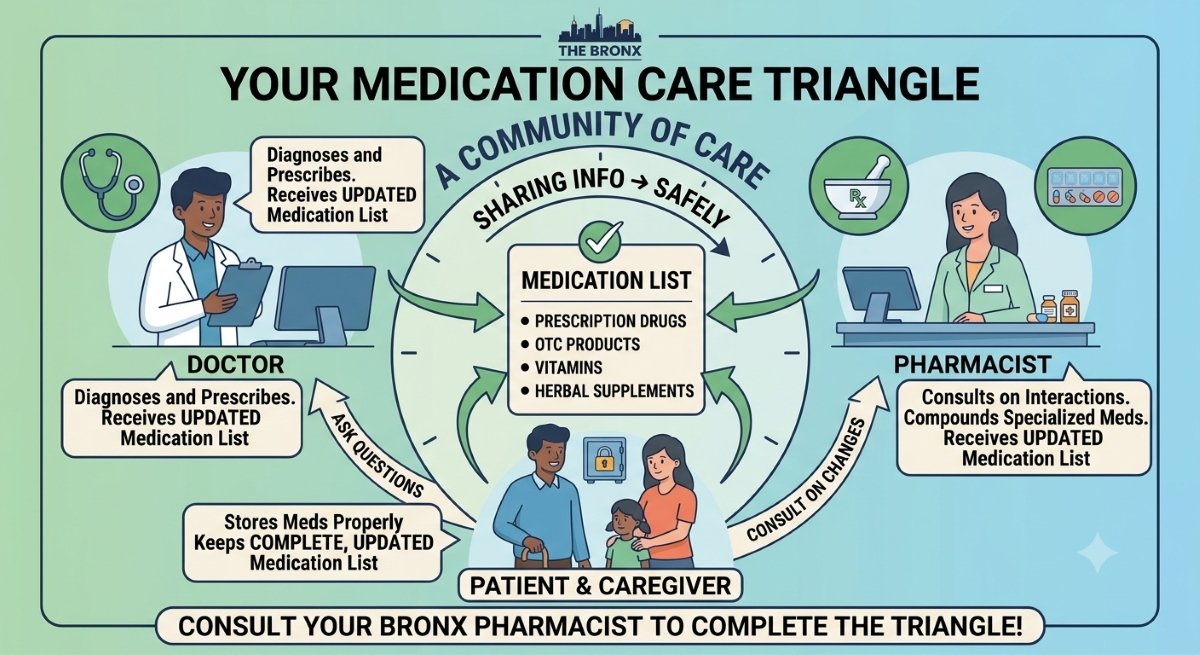
Your list of medications should not consist of prescription medications only. Over-the-counter (OTC) drugs, vitamins, and herbal supplements can also play a role in determining drug interactions. An up-to-date list of medications makes communication with your healthcare professional easier. According to the FDA, it is advisable to maintain a list of prescription medications, OTC products, vitamins, and supplements so that healthcare professionals can get the complete picture of what you are taking. It would be better to present this information during visits to your doctor and pharmacist.
Healthcare coverage is another important part of navigating the healthcare system, particularly for older adults managing ongoing prescriptions and medical needs. For more context on how insurance options are influencing care across the state, read this overview of how Medicare Advantage is reshaping healthcare in New York.
Ask Before Combining Prescription and OTC Products
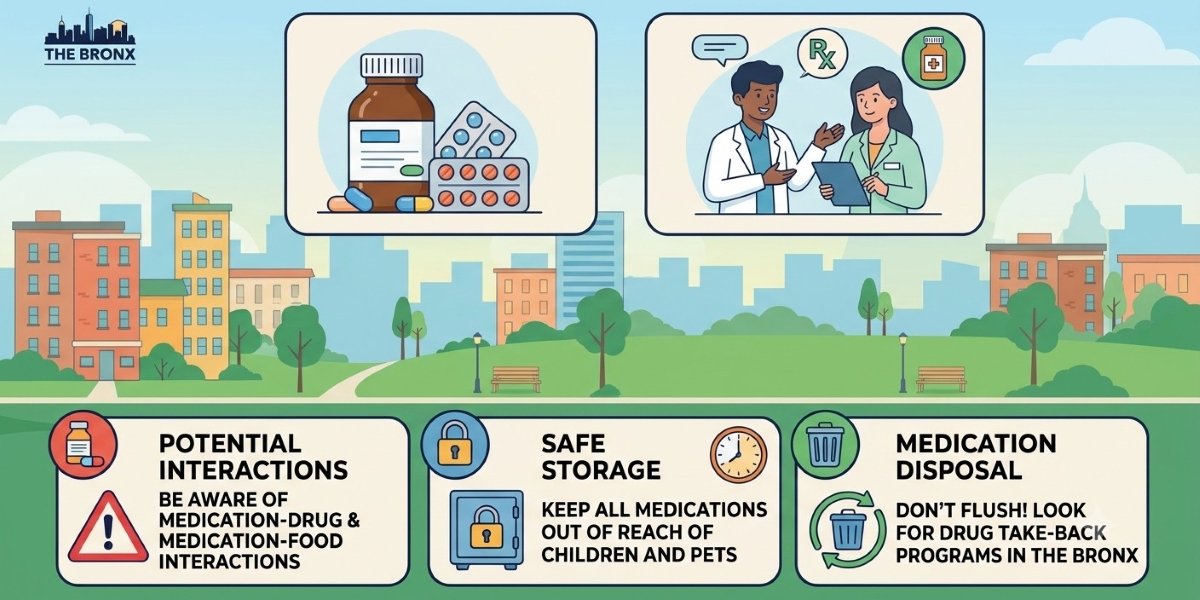
The fact that an item is available without a prescription does not necessarily mean it is safe for use with all prescription drugs. Some of these OTC items might alter the effectiveness of the prescription drugs or might make some side effects more likely. Health issues might also influence which products might be right for you.
This is the reason why individuals who take prescription drugs regularly should think about consulting a pharmacist or health care professional before they add another OTC item, especially when they have questions or concerns about interactions or warnings. A pharmacist might assist them with understanding the label information and find out about questions that might require discussion with the health care professional who prescribed the drug.
Use the Drug Facts Label
Products available over-the-counter in the US have the Drug Facts label. It provides the active ingredients, the purpose, the uses, the warnings, directions, inactive ingredients, among others. Do not rely only on the product’s brand name or the claims printed prominently on the front of the package.
Take a moment to review the complete label, including instructions about how much to take, how often it can be taken, and when the product should not be used. If anything on the label is unclear, ask your pharmacist before taking the medication.
Know When a Compounding Pharmacy May Be Relevant
Most prescription drugs can be dispensed using commercial medicines, but there are some instances where there will be a need for a specially made drug. Compounding pharmacies formulate drugs based on the direction of prescribers when a customized drug is required. This could be a different strength, dose, flavor, or composition of ingredients. Compounding is performed in areas such as dermatology, veterinary practice, hormones, and others where customizing drugs is necessary.
It is not merely an alternate method of getting commercial medicine. Compounded prescriptions should be made from prescriber directions.
Consider the Support Available from Your Pharmacy Team
In selecting a pharmacy in the Bronx, people should also take into account the level of assistance that goes beyond mere prescription pickup. Mediserv Pharmacy is a facility that, in addition to conventional pharmacy services, offers features such as custom compounding, medication synchronization, pill packaging, vaccines, medical supplies, and local delivery. As a trusted compounding pharmacy in NYC, it also collaborates with patients, caregivers, doctors, and veterinarians in case of complicated prescription needs. The pharmacy additionally offers dermatology, HRT, and veterinary compounding, providing its patients with all these prescription solutions at one convenient point.
Be Careful When Treating Several Symptoms at Once
There can be more than one active ingredient in cold, flu, allergy, and pain relief products. In other words, a combination product may treat several symptoms. Using another medicine for one of these symptoms will be an overlap, since the additional active ingredient will not be noticed by the patient. Therefore, when selecting products, make sure to pay attention to the active ingredient and not only to the symptom written on the cover.
When treating multiple symptoms or when taking prescription medication, consult a pharmacist to see which questions need to be addressed before purchasing an OTC drug. This is one situation where the availability of a nearby local pharmacy can be especially valuable.
Do Not Share Prescription Medications
Prescription drugs are prescribed for the specific patient. Despite the fact that someone else may have similar symptoms, it is dangerous to share prescription medications. The drug, dosage, strength, or therapy may be completely inappropriate for that person. Just like patients should not use an old prescription for a new condition just because it has the same symptoms.
Store Medications Properly
Proper medication safety includes adequate storage of the medicine. Always follow the storage recommendations on the packaging of the product. Sometimes certain medications are sensitive to extreme temperatures, wetness, sunlight, and other environmental factors. Store your medicines in a safe place where they cannot be easily reached by children and others. Moreover, it would be useful to periodically assess your medicines and check their expiration date, as well as identify those medications that you do not need anymore. You can visit a pharmacy in New York and find out about possible methods of medication disposal.
Do Not Ignore Persistent or Severe Symptoms
OTC drugs are designed to temporarily treat minor health issues; however, they are not to serve as an alternative to medical consultations. In case of severe, new, persistent, and worsening symptoms, or if there are any warning symptoms listed on the package, consult your healthcare provider. Likewise, if an OTC drug does not help you, do not try to increase its dosage.
Make Your Pharmacist Part of Your Medication Routine
Pharmacists may assist patients with questions related to prescribed and OTC drugs, including providing explanations of drug labels, helping with refills, advising on possible problems of drug interaction, and clarifying the ways of taking or storing particular medications. The latter is extremely helpful for those who take several prescriptions or help their older relatives to manage the intake of drugs.
It would also be beneficial to stick with one pharmacy to have an easy record of your medications and discussion of all problems related to their refills or prescriptions.
Use Medications with the Same Care You Give Other Health Decisions
Prescribed and OTC drugs have different functions; however, all of them need to be used carefully. It is necessary to read labels, keep records of your drugs, not share your prescriptions, and clarify unclear instructions or ingredients. When you use several types of medications or suffer from any chronic diseases, consult your pharmacist or other health care specialist prior to using new OTC drugs.
Therefore, for citizens of the Bronx, it will be useful to understand the difference between prescription and OTC drugs and seek advice when it is needed.
About the Author
This article is published in collaboration with Earn SEO, a digital marketing agency that helps pharmacies and healthcare businesses improve their online visibility, connect with local communities, and reach patients searching for relevant healthcare services.
Disclaimer: This article is for general informational and educational purposes only. The information provided should not be considered professional advice or a substitute for consultation with a qualified professional. Readers are encouraged to seek appropriate professional guidance based on their individual circumstances.