The speed of modern technology is often taken for granted. When a person taps a button on a smartphone to play, the transaction feels instantaneous. However, in that single second, a complex journey occurs across thousands of miles of fiber-optic cables and through multiple high-security data centers. This process involves a series of digital handshakes, security checks, and financial verifications that ensure the money moves safely from the user’s balance to a secure bank record.
The Journey Begins: The Digital Command
The process starts the moment a finger touches the screen. That physical action is converted into a digital data packet. This packet contains specific information: the user’s identity, the amount of the wager, and the specific event being played on. This information travels from the phone to the nearest cellular tower or Wi-Fi router using radio waves. From there, it enters the global backbone of the internet.
Because it requires high precision, speed is essential. Even a delay of half a second could mean the odds have changed. To handle this, digital platforms use “low-latency” networks. These are specialized internet pathways designed to move data with as little delay as possible.
“In the world of high-frequency digital transactions, every millisecond counts. The infrastructure must be optimized to handle thousands of requests simultaneously without a drop in performance,” explains systems architect David Miller.
Reaching the Central Engine
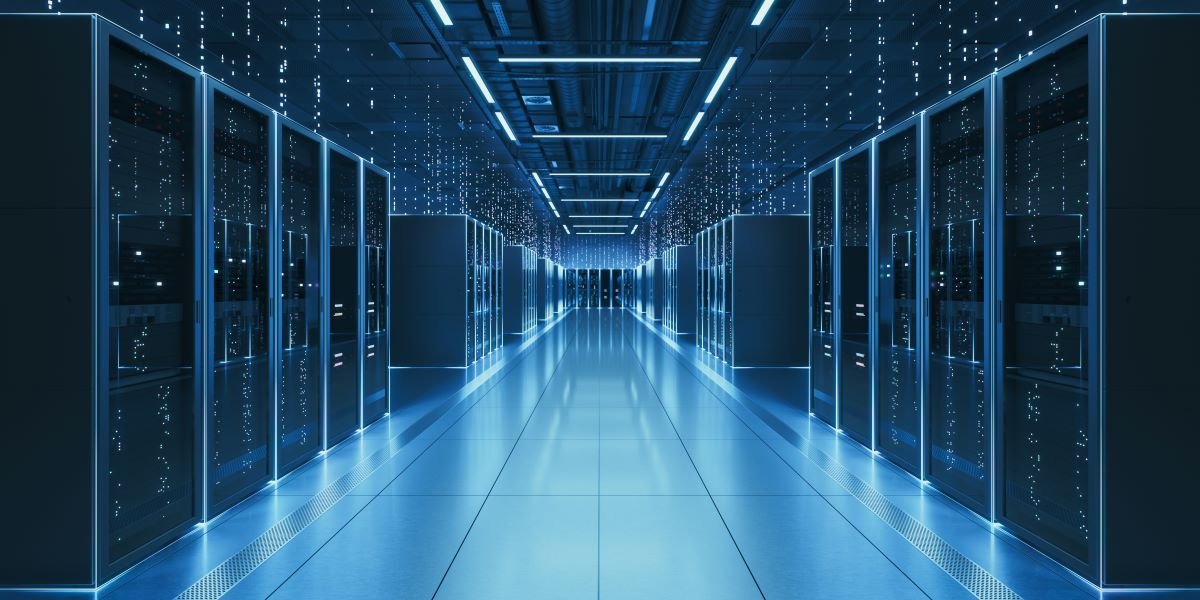
Once the data packet reaches the platform’s servers, the “Central Engine” takes over. This is a powerful computer system that acts as the brain of the operation. First, it verifies that the user has enough funds in their account. Second, it checks the current odds to ensure the set is still valid.
This stage is also where security protocols happen. The system uses encryption to protect the user’s data, ensuring that no one can intercept or change the placement while it is in transit. If everything looks correct, the server “locks” the game. This means the money is officially committed to the wager. This entire verification process happens in less than 100 milliseconds.
The Financial Handshake: Moving to the Bank
After the server approves the transaction, it must communicate with financial institutions. This is the part of the journey where the transaction “travels to the bank.” The platform sends a request through a secure gateway to a payment processor or a banking network.
This communication is handled through an Application Programming Interface (API). An API allows two different computer systems—the site and the bank—to talk to each other instantly. The bank’s system receives the request, confirms the digital “ledger” entry, and sends back a confirmation code.
“Digital banking has moved away from batch processing to real-time settlement. This allows for the near-instantaneous movement of credits and debits across different platforms,” says financial technology analyst Sarah Jenkins.
The Final Confirmation
The last step of the one-second journey is the confirmation sent back to the user’s device. Once the bank and the server agree that the transaction is successful, a final data packet is sent back to the smartphone. The screen updates to show a “Placement Confirmed” message.
While the user only sees a flashing light or a checkmark, the money has already been digitally moved. In a traditional bank from thirty years ago, this process might have taken days. Today, thanks to global server networks and high-speed internet, it happens faster than a human can blink.
The One-Second Breakdown
| Phase | Action | Time Taken (Approx.) |
| Input | User taps the screen and data is sent. | 100 – 200 ms |
| Processing | Server verifies funds and current odds. | 50 – 150 ms |
| Security | Encryption and fraud checks are completed. | 50 – 100 ms |
| Banking | API communicates with the financial network. | 200 – 400 ms |
| Output | Confirmation appears on the user’s phone. | 100 – 200 ms |
Why Reliability Matters
The reason this journey must be so fast is not just for convenience; it is for fairness. The situation changes every second. If the journey took ten seconds, the information on the screen would be outdated by the time the transaction reached the server.
- Fiber Optics: Most of this journey happens at the speed of light through glass cables under the ground and the ocean.
- Edge Computing: Companies place servers physically close to their users to reduce the distance data has to travel.
- Redundancy: If one path is blocked, the data instantly finds a new route to ensure the transaction is never lost.
The transition from a finger tap to a bank record is a miracle of modern engineering. It combines physics, computer science, and global finance into a single, seamless moment. As technology continues to improve, these journeys will only become faster and more secure, making the digital world feel even more connected to physical reality.