Where American Government Took Its First Steps
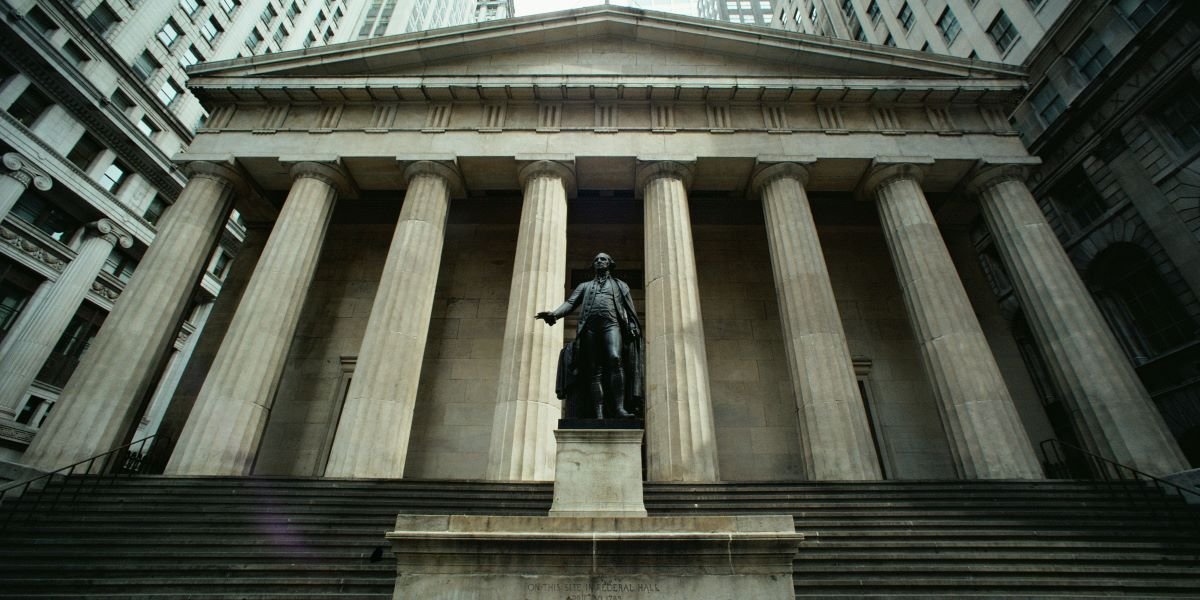
Federal Hall Memorial isn’t just a historic building—it’s the exact spot where the United States government began to function. Located at 26 Wall Street in New York City, this National Park Service site marks the place where George Washington took the first presidential oath in 1789, where the first Congress convened, and where the foundations of American democracy were laid.
Today, surrounded by skyscrapers and the hum of global finance, Federal Hall Memorial offers a quiet but powerful counterpoint. It’s a place to reflect on how the country’s political system started—and how it continues to evolve.
George Washington’s Oath: A Moment That Defined a Nation
One of the most iconic moments in U.S. history happened on the balcony of the original Federal Hall. On April 30, 1789, George Washington stood before a crowd and took the oath of office as the first President of the United States. That act transformed the building from a colonial city hall into the symbolic birthplace of the American presidency.
Although the original structure was demolished in the 19th century, the current Greek Revival building stands on the same footprint. Inside, visitors can see a replica of the balcony and learn about the ceremony that helped define the role of the executive branch.
The statue of Washington outside the building marks the exact location of the oath. It’s a popular photo spot, but it’s also a reminder of the humility and responsibility that shaped the office from day one.
Inside the Memorial: Exhibits That Bring History to Life
Federal Hall Memorial isn’t large, but it’s packed with exhibits that explore the early days of American government. The rotunda, with its soaring dome and marble columns, sets the tone. It’s a space designed to evoke the ideals of balance, order, and civic duty.
Visitors can explore displays on the first Congress, the Judiciary Act of 1789, and the creation of key departments like Treasury and State. Artifacts include early drafts of legislation, personal items from founding figures, and rare documents that trace the evolution of federal power.
The site also hosts rotating exhibits that connect historical themes to current events. Topics have ranged from the Bill of Rights to the role of protest in shaping policy. It’s a place where history isn’t just preserved—it’s interrogated.
From Congress to Commerce: Federal Hall’s Financial Legacy

Photo Credit: Unsplash.com
Federal Hall Memorial sits in the heart of the Financial District, just steps from the New York Stock Exchange. That proximity isn’t accidental. After serving as the seat of government, the building later became a U.S. Customs House and then part of the Sub-Treasury system, storing gold and silver for the federal government.
This financial legacy is woven into the architecture. The building’s design reflects both civic ideals and commercial ambition. Corinthian columns, a domed rotunda, and a granite façade signal stability and authority—qualities prized in both governance and finance.
The latest Federal Reserve interest rate decision continues to shape Wall Street sentiment as investors prepare for upcoming earnings reports. But the roots of that relationship between government and markets go back to Federal Hall.
Planning Your Visit: What to Know Before You Go
Federal Hall Memorial is open to the public and free to enter. It’s managed by the National Park Service, which offers self-guided tours and ranger-led programs. Most visitors spend 30 to 45 minutes exploring the exhibits, though history buffs may linger longer.
The building is wheelchair accessible and located near several subway lines. It’s also within walking distance of other major landmarks, including Trinity Church, the 9/11 Memorial, and Battery Park. If you’re planning a day in Lower Manhattan, Federal Hall makes a great starting point.
Photography is allowed, and there’s a small gift shop with books and souvenirs. While there’s no café on-site, plenty of options are available nearby. Just be prepared for crowds—especially during peak tourist season.
Why Federal Hall Still Matters
Federal Hall Memorial isn’t just a relic. It’s a living reminder of how the U.S. government began—with debate, compromise, and a deep sense of responsibility. In a time when civic institutions are under pressure, this site offers perspective. It shows that governance is built, tested, and refined over time.
For investors, policy watchers, and anyone who walks Wall Street with questions about how it all started, Federal Hall Memorial offers answers. Not in slogans, but in stone.
The building’s legacy also connects to broader conversations about democracy, transparency, and public trust. It’s a place where visitors can reflect on the origins of American power—and consider how that power is used today.
Nearby Attractions: Extend Your Civic Tour
If you’re already at Federal Hall, it’s worth exploring the surrounding area. Trinity Church, where Alexander Hamilton is buried, offers another layer of Revolutionary history. The New York Stock Exchange, just across the street, represents the evolution of American commerce.
Battery Park and the ferry to the Statue of Liberty are a short walk away. So is the 9/11 Memorial, which offers a sobering look at more recent chapters in U.S. history. Together, these sites form a civic corridor that spans centuries.
For those interested in tech and finance, check out how Wall Street reacts to tech earnings. It’s a modern echo of the debates that once filled Federal Hall’s chambers.
A Site Worth Your Time
Federal Hall Memorial isn’t flashy. It doesn’t have the grandeur of the Capitol or the drama of Independence Hall. But it’s where the U.S. government took its first steps. That makes it one of the most important places in American history.
Whether you’re a tourist, a local, or someone who just wants to understand how the country works, Federal Hall offers clarity. It’s a place to learn, reflect, and connect the dots between past and present.