
For years, employee wellbeing and human performance were treated as separate from business performance. Companies focused on revenue, productivity, and growth, and wellbeing sat somewhere off to the side, a perk, not a lever.
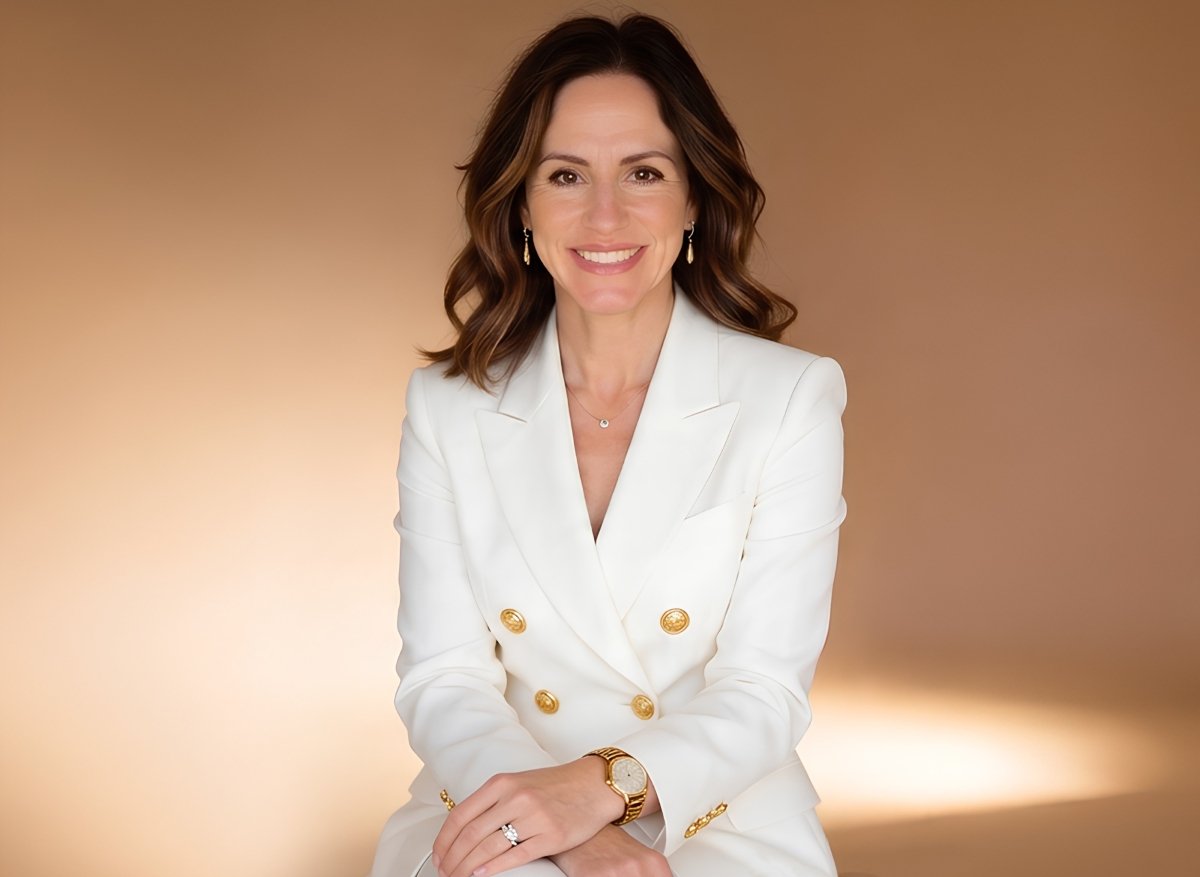
DeAnne M. Aussem, Founder and CEO of ThriveWell Partners, has spent her career proving that split is false.
Aussem brings more than 25 years of business experience to leadership development, culture change, and people strategy, split almost evenly between two chapters. The first was in audit, consulting, and process improvement, at firms including EY, Arthur Andersen, and PwC. The second was in people, culture, and wellbeing leadership, including founding PwC’s U.S. Leadership Coaching Center of Excellence and leading wellbeing strategy for a 60,000-person global workforce. That dual fluency, an equal comfort with the language of the balance sheet and the language of human performance, shapes how she works with executive teams.
She holds an ICF PCC credential with more than 4,000 coaching hours logged. Her view was built on both sides of that career. Healthier leaders build stronger teams, and stronger teams build better business results.
Why Human Performance Belongs in the Business Strategy
Workplace mental health has become an economic issue, not just a personal one. The World Health Organization estimates that depression and anxiety cost the global economy roughly 12 billion lost working days a year, about US$1 trillion in lost productivity.
That number changes the conversation leaders need to be having. Poor mental health doesn’t stay contained to an individual. It shows up in attendance, retention, and the quality of decisions getting made at every level.
“Human performance is absolutely a leadership skill,” Aussem says. It’s not a wellness add-on. It’s how leaders think, communicate, make decisions, and set the conditions their teams operate inside of. That idea sits at the center of ThriveWell Partners’ work.
From Philosophy to Framework
What distinguishes Aussem’s approach from a general leadership-coaching practice is that the philosophy isn’t abstract; it runs through a proprietary framework she built and trademarked: the H.O.P.E. Blueprint™, built around four pillars: Harmony, Optimism, Perseverance, and Empathy. It anchors all three parts of her work: executive coaching and coaching supervision, training and keynote facilitation, and strategic advisory work with organizations.
Research backs the connection she’s built a practice around. A special issue of the Journal of Occupational Health Psychology, published by the American Psychological Association, has examined how supportive leadership training and leadership interventions shape employee well-being, evidence that leadership behavior itself sets the conditions people perform in.
Why High Performance Needs Renewal
Many organizations still treat constant availability as a proxy for commitment. Aussem pushes back on that directly.
“Rest and recovery are the trail map to high performance,” she says. They aren’t a break from performance. They’re part of it. Leaders carrying heavy decision-making loads are especially exposed. Fatigue erodes focus, judgment, and emotional control before it’s visible to anyone else, and a leader running on empty eventually sets that same pace for the whole team.
Aussem also rejects the standard framing of work-life balance. “The term work-life balance doesn’t work for me,” she says. She works instead from harmony and integration, not dividing life into perfectly separated boxes, but helping leaders understand how work, health, relationships, and values actually interact in practice.
How ThriveWell Partners Works
ThriveWell Partners engages leaders and organizations through three connected paths, all built on the H.O.P.E. Blueprint™.
• Strategy and advisory: vision, planning, implementation, and capacity building tied to measurable outcomes.
• Coaching and supervision: tailored development for executives, teams, and coaches, grounded in ICF-credentialed practice.
• Speaking and facilitation: keynotes, workshops, and facilitated sessions that bring the framework to larger audiences.
Different problems call for different entry points. A leadership transition might start with coaching. A culture problem might need advisory work. A team stuck in communication breakdowns might need a facilitated session before either of those helps.
The Real Question
A workplace culture shapes how people communicate, collaborate, handle pressure, and respond to change, and leaders shape that culture through everyday choices, not annual initiatives. The WHO’s own guidance points in the same direction. Organizational conditions, not individual willpower, are the lever that moves workplace mental health.
Aussem’s work poses a direct question to the leaders she works with. Is your approach to leadership helping people perform at their best or making performance harder to sustain?
Her answer, built from 25-plus years on both sides of that question, is that wellbeing doesn’t compete with performance. It’s the infrastructure underneath it. That’s the difference between an organization surviving by default and one thriving by design.
Connect with DeAnne Aussem on LinkedIn to learn more.