By: Hannah Parker
When business leaders talk about risk, the conversation usually centers on markets, technology, workforce challenges, or the economy. Disaster preparedness often enters the discussion only after a major event makes headlines.
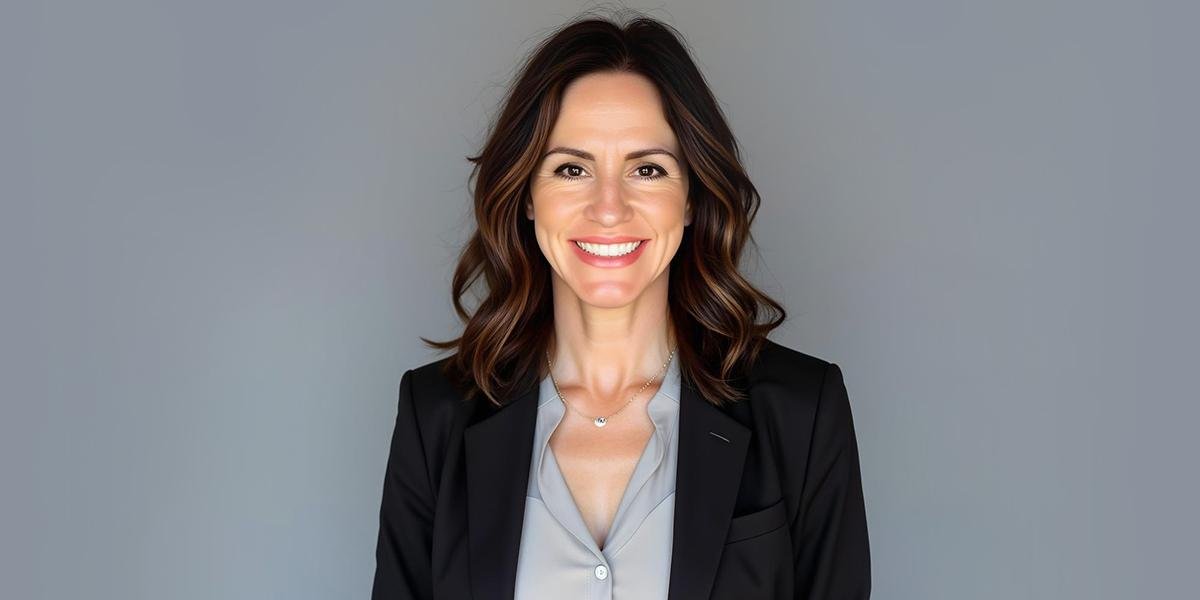
Stacy A. Bourne, FAIA, believes that’s backward.
As founder and principal architect of The Bourne Group, LLC, Bourne has spent more than 35 years helping communities recover from disasters, restore buildings, and strengthen resilience. She has also experienced disaster personally, surviving and rebuilding after 12 hurricanes. Those experiences have shaped a philosophy that preparedness shouldn’t begin when a storm is approaching. It should be part of how leaders think every day.
Today, Bourne is expanding that mission through her Disaster Smart™ initiative, educational resources, and disaster readiness planning. We spoke with her about why she believes disaster preparedness belongs in the boardroom, what she’s learned from decades of recovery work, and how executives can start building more resilient organizations and communities.
Q: You’ve spent decades helping communities recover after disasters. More recently, though, you’ve been talking much more about preparedness than recovery. What changed?
Stacy Bourne: I don’t know that my focus changed as much as my perspective deepened.
Early in my career, a lot of my work naturally centered on helping communities recover. That’s where the need was. But after living through Hurricane Marilyn in the U.S. Virgin Islands myself, recovery became very personal. I experienced what happens when infrastructure is damaged, communications are disrupted, and everyday routines disappear almost overnight.
When you’ve lived through that, you start asking different questions. Instead of thinking only about how we rebuild afterward, you begin wondering what we could have done beforehand that would have made recovery easier.
That’s really what drives me today. Recovery will always be necessary, but I’d much rather help people prepare before they’re facing those circumstances.
Q: You have said before that preparedness belongs in the boardroom, not just with emergency managers. What do you mean by that?
Stacy Bourne: I think we’ve gotten into the habit of treating preparedness as someone else’s responsibility.
Organizations may assume it’s something facilities handle or that emergency management professionals will take care of. Those professionals are incredibly important, of course, but leadership sets priorities. Leadership decides what conversations happen before a crisis ever arrives.
If you’re responsible for people, then preparedness is already part of your job.
Your employees want to know their organization has thought through different scenarios. Your customers are counting on you to continue serving them. Your community depends on organizations that can remain steady during difficult times.
To me, that’s why preparedness is a leadership issue. It isn’t separate from running an organization well. It’s part of running one responsibly.
Q: Your background is in architecture. Has that influenced the way you think about preparedness?
Stacy Bourne: Absolutely.
Architecture teaches you to think in systems. A building isn’t just walls and a roof. You’re thinking about how people move through a space, how different systems interact, how codes protect occupants, and how decisions made during planning affect performance years later.
I tend to look at preparedness the same way.
It’s easy to focus on one piece, say, a building, supplies, or a checklist, but resilience is really about how everything works together. People, facilities, communication, planning, relationships, community resources, they’re all connected.
That’s one reason I enjoy working with communities as much as individual property owners. Every project is part of a much larger system.
Q: One of the themes that comes up repeatedly in your work is community engagement. Why is that such an important part of disaster readiness?
Stacy Bourne: Because no organization operates in a vacuum.
Businesses rely on employees, employees rely on schools and neighborhoods, and communities rely on local businesses to stay open whenever they can. We’re all connected, whether we think about it that way or not.
Sometimes people hear the phrase community engagement and assume it’s separate from business strategy. I don’t see it that way. If your community is better prepared, your organization is in a stronger position too.
That’s part of the thinking behind the Disaster Readiness Resilience Hub Blueprint that I’m continuing to develop. I want schools, churches, civic organizations, and public facilities to think about the role they can play before a disaster happens, not just afterward.
When people already know one another, understand local resources, and have built those relationships ahead of time, recovery tends to look very different.
Q: Your Disaster Smart™ initiative includes resources for children, families, businesses, and property owners. Some people might not expect an architect to create children’s workbooks. How did that idea come about?
Stacy Bourne: (Laughs.) I’ve heard that more than once.
The idea really came from asking myself how we can make preparedness feel approachable instead of overwhelming.
Adults often know they should prepare, but life gets busy. Before long, another year has gone by, and nothing has changed. But children are naturally curious. If you give them activities, questions, and something they can work through with a parent or caregiver, those conversations begin to happen.
The Disaster Smart™ Coloring and Workbook Series isn’t really about coloring. It’s about creating opportunities for families to talk. A question as simple as, “Where would we meet if we couldn’t get home?” can lead to a conversation that probably wouldn’t have happened otherwise.
To me, that’s meaningful because preparedness starts with awareness, and awareness usually starts with conversation.
Q: Many executives reading this would probably agree that preparedness matters, but they’re also running busy organizations. What’s one practical place to begin?
Stacy Bourne: I always encourage people to start smaller than they think they need to.
Sometimes preparedness feels overwhelming because people imagine they have to do everything immediately. That’s rarely realistic.
Maybe it’s buying a few additional necessities each time you shop so you’re gradually building emergency supplies. Maybe it’s reviewing your organization’s communication plan. Maybe it’s sitting down with your leadership team and asking, “If something happened tomorrow, what would concern us the most?”
Those conversations don’t have to be complicated.
I’d also encourage leaders to become involved in their communities now. Whether it’s your local school, PTA, church, neighborhood association, or civic organization, those relationships matter. After a disaster, people naturally look for trusted voices and familiar organizations.
The best time to build those connections is long before anyone needs them.
Q: You’ve received recognition throughout your career, including being elevated to the AIA College of Fellows and recently receiving the Angela O’Byrne Award from Tulane University. As you look ahead, what do you hope your legacy will be?
Stacy Bourne: Awards are certainly meaningful, especially when they’re coming from people and institutions you respect. But when I think about my career, I don’t spend much time thinking about recognition. I think about impact.
If a community is better prepared because of something we’ve shared…
If a family has a plan they didn’t have before…
If an organization continues serving people because leaders took preparedness seriously…
That’s the work that stays with me.
Architecture has always been about improving people’s lives. Sometimes that’s through a building. Sometimes it’s through planning. Sometimes it’s simply helping people think differently about the choices they’re making today.
I hope Disaster Smart™ encourages more of those conversations because preparedness doesn’t belong to one profession or one organization. It’s something all of us can contribute to.
Q: Finally, if every executive reading this remembered just one thing from our conversation, what would you want it to be?
Stacy Bourne: I’d probably tell them not to wait for the next headline.
Preparedness has a way of moving to the top of everyone’s priority list after a disaster. That’s understandable. But leaders have an opportunity to think ahead.
You don’t have to solve every challenge today. You don’t need a perfect plan before you begin. You simply need to start asking the right questions.
Are we prepared?
Do our people know what to do?
Who in our community should we be talking with now instead of later?
Those are leadership conversations.
The more we make preparedness part of everyday thinking instead of treating it as an occasional project, the stronger our organizations and our communities become.
That’s really what I’ve learned over the years. Preparedness isn’t a single decision. It’s a habit. And like most good habits, the earlier you start, the greater the benefit.
For more information about Disaster Smart™ and available preparedness resources, visit The Bourne Group at thebournegroup.com.