
The biography, the experience, and the signature approach of a Dubai-based aesthetic surgeon working to refine the standard of the profession.
In medicine, as in high finance, there is one currency that cannot be counterfeited: reputation. It is not bought with advertising budgets, nor built in a single season. It accrues from work, year after year. In the world of aesthetic surgery, few names carry the recognition that Dr. Vardan Khachatrian has earned.
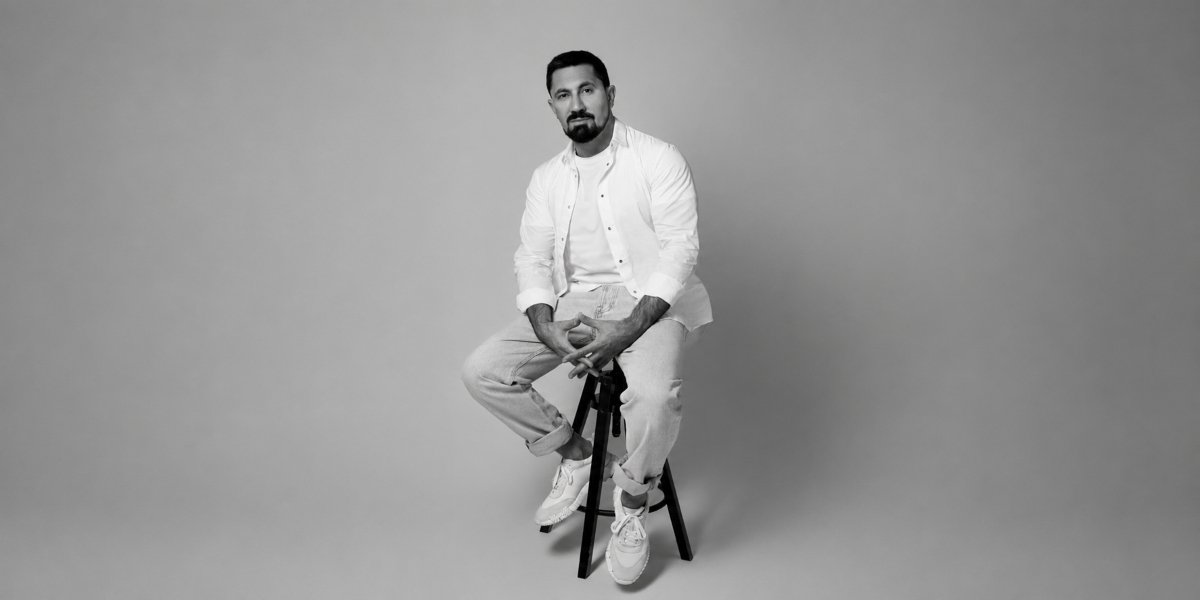
Khachatrian is the Head of Plastic Surgery at Valiant Clinic & Hospital in Dubai, with more than two decades in practice, thousands of operations performed, and patients from four continents. His online presence, including his Dubai plastic surgery profile on Instagram, reflects the international interest in his work. The most difficult cases and the most exacting expectations tend to converge on him, and over time, he has become a reference point that the profession measures itself against.
What Sets His Surgical Method Apart
His approach rests on a method that does not come with the instruments. Khachatrian works from a single principle, that careful technique begins long before the visible part of the operation. For him, closure begins not with the needle but with the preparation. First comes the precise approximation of the edges. Then a dry surgical field. Finally, the joining of tissue at a microscopic level. Controlled handling of tissue, multilayer stabilization, and finely calibrated tension are all directed toward one end. As with a fine jeweler’s bond, the matched edges do much of the work, and everything else secures what is already in place.
“Many surgeons can place a fine suture,” says Khachatrian. “The difference is decided by the discipline that lets the body heal predictably, dry, and for the long term. And that is precisely what cannot be copied.”
Here lies the quiet shift he brings to the field. For years, aesthetic surgery competed over how visibly it could alter appearance. Khachatrian moves the frame of reference toward control, predictability, and governed healing. It is in this way, not through loud promises but through a different standard of work, that the profession’s expectations begin to change.
Why Revision Cases Define His Practice
The harder test of a surgeon is revision, and it accounts for more than half of his practice. People turn to Khachatrian when earlier work needs correcting, and they send him cases that others have declined. A first operation demonstrates technique. A revision demonstrates judgment, and that rare tier of skill on which only a handful of surgeons operate.
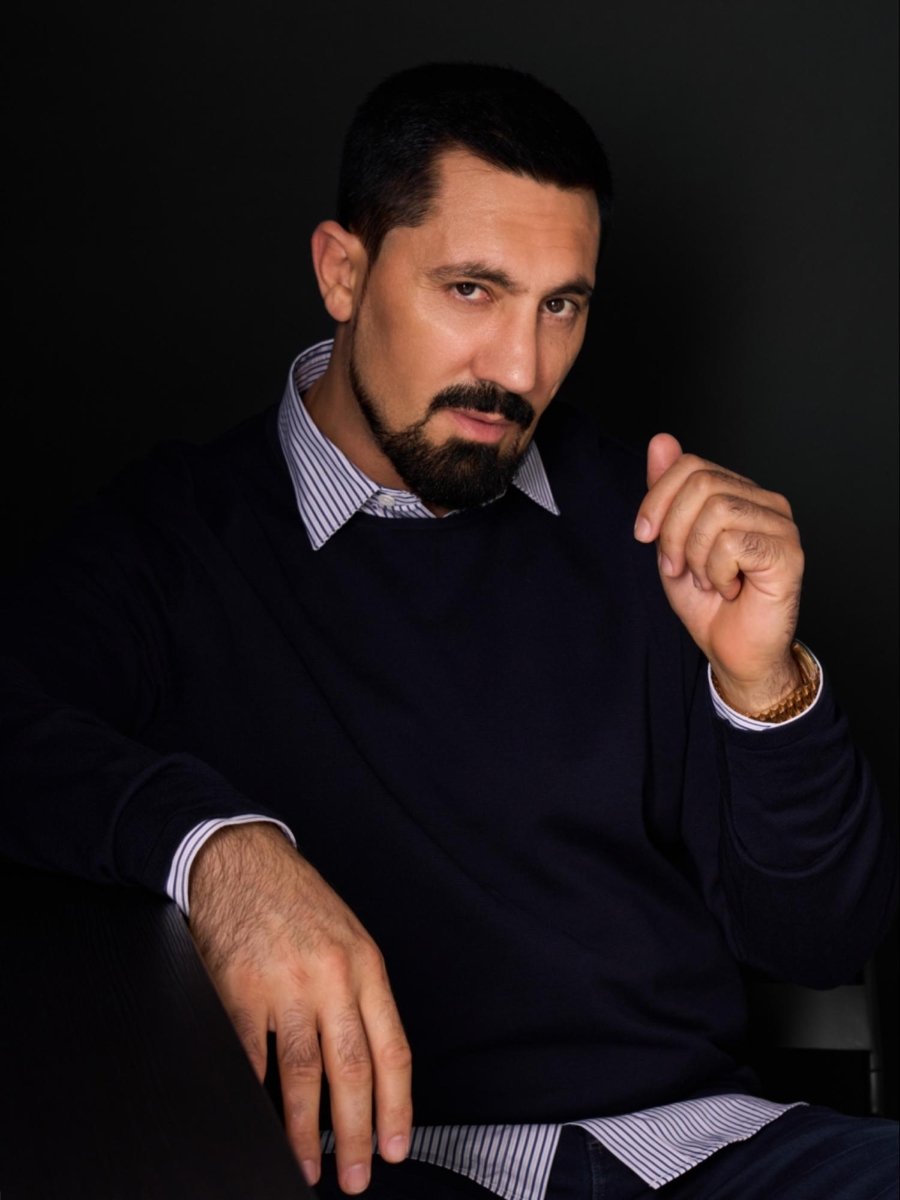
His influence now reaches beyond the operating room. The principle behind his work is not bound to a single area. It applies to the breast, the body, the face, and the most demanding repeat cases, which means it can outlive a single pair of hands as a method taught to a new generation of surgeons.
“I do not want all of this to remain only in my hands,” he says. “A true result can be described, measured, and passed on. Then it outlives the surgeon and becomes a standard.”
The Patient Experience Behind the Technique
For the patient, the aim of this detailed work is straightforward. The approach is designed around discreet, measured refinement that fits into a person’s life rather than announcing itself. It prioritizes careful incision placement, attention to healing, and an unhurried return to a patient’s usual routine, with care at every stage.
This is what experience looks like when it does not rely on advertising. When precision matters most, the path increasingly leads to Dubai, and to Dr. Vardan Khachatrian, a surgeon many patients seek out for complex and corrective work.
Disclaimer: This article is for informational purposes only and does not constitute medical advice, diagnosis, or treatment. It is not a substitute for consultation with a qualified, licensed healthcare provider. Surgical and aesthetic procedures carry risks, and individual results vary. Anyone considering a procedure should consult a licensed medical professional to discuss their specific circumstances, risks, and suitability.