
By Julia Bennett
Many high achievers are so used to being the strong one that they rarely stop to ask themselves how they’re really doing. They keep pushing forward, often without realizing the personal cost.
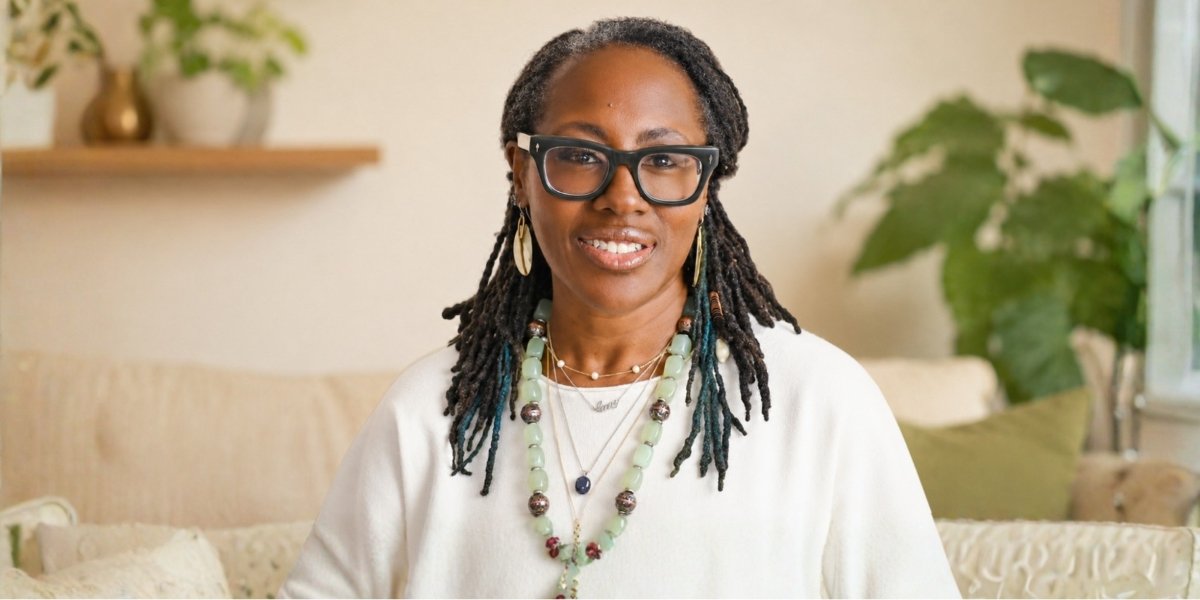
Dr. Makeba Morgan Hillspent more than 20 years in executive leadership and organizational strategy across healthcare and higher education before launching her own practice. Today, as a leadership and culture strategist, keynote speaker, and founder of Dr. Makeba & Friends, LLC, she brings a unique perspective that bridges organizational strategy and human well-being, helping leaders and high-achieving professionals redefine success through purpose, self-trust, and whole-person wellness.
In this Q&A with The Wall Street Times, Dr. Makeba shares her perspective on the hidden pressures many high achievers carry, why self-trust matters, and what it means to create success without losing yourself in the process.
Q: Why do so many high achievers struggle even after they’ve achieved what they once wanted?
A: Dr. Makeba says many high achievers spend years chasing goals without stopping to ask whether those goals still reflect who they have become.
She explains, “People often assume that reaching the next milestone will finally bring fulfillment. But many discover that external success does not automatically create inner peace. They wake up one day realizing they’ve built a life that looks successful from the outside, yet they feel disconnected from themselves.”
According to Dr. Makeba, this experience is more common than most people realize. Many professionals continue functioning at a high level while privately questioning their purpose, direction, or sense of fulfillment.
Q: What is the hidden cost of always holding it together?
A: Many leaders become so accustomed to being the strong one that they stop paying attention to their own needs.
Dr. Makeba explains, “They become the person everyone depends on. Over time, that role can create a tremendous amount of pressure. People begin carrying responsibilities, expectations, and emotional burdens without giving themselves permission to pause, process, or receive support.”
The result is often a level of exhaustion that goes far beyond physical fatigue. She believes many high performers experience emotional depletion, chronic stress, and a growing sense of disconnection from themselves.
Dr. Makeba believes, “Just because someone looks successful doesn’t mean they’re thriving, “Many people have learned how to function while depleted.”
Q: You’ve spoken about self-trust in much of your work. Why is it so important?
A: Self-trust is one of the most overlooked aspects of personal and professional growth.
Dr. Makeba says, “Many people have spent years looking outside themselves for validation, approval, or direction. At some point, growth requires learning to trust your own wisdom.”
She believes that major life transitions often become invitations to strengthen that trust. Career changes, leadership challenges, relationship shifts, and personal reinventions frequently force people to examine what they truly want rather than what others expect from them.
As Dr. Makeba sees it, self-trust is not about having all the answers. It is about developing the confidence to listen to yourself and move forward even when certainty is unavailable.
Q: What led you to shift from executive leadership into the work you do today?
A: Dr. Makeba says her transition was shaped by both her professional experience and her own personal journey. As she witnessed the challenges leaders faced throughout her executive career, she was also exploring her own questions about purpose, fulfillment, and well-being.
Dr. Makeba explains, “Throughout my career, I worked with talented, dedicated people who were carrying enormous responsibilities. I saw how often organizational success and personal well-being were treated as separate conversations.”
Over time, she became increasingly interested in the deeper factors that influence how people lead, make decisions, navigate change, and ultimately experience success. As she supported others through these challenges, she found herself asking many of the same questions. Although successful by traditional measures, she began exploring what purpose, fulfillment, well-being, and living in alignment with her values truly meant in her own life.
Dr. Makeba shares, “The calling came in my search for purpose and that translated into a new professional direction. I wanted to help people succeed without losing themselves in the process.”
That journey ultimately led to her current work in leadership development, culture transformation, workplace wellness, and whole-person well-being.
Q: What does success mean to you today?
A: Her definition of success has evolved significantly over the years.
Dr. Makeba explains, “For a long time, many people are taught that success is about achievement, recognition, status, or accomplishment. Those things may have value, but they are not the whole story.”
Today, she believes success is measured by how fully a person can align their life with their values, purpose, and authentic self.
She says, “True success allows you to grow, contribute, and create impact without abandoning yourself in the process.”
Q: What would you say to someone who feels exhausted from carrying so much?
A: Dr. Makeba says, “Many people have been conditioned to believe they must earn rest, earn peace, or earn permission to slow down. But sustainable leadership and sustainable success require something different.”
Strength does not require constant self-sacrifice. Instead, she encourages people to become more intentional about listening to themselves, honoring their well-being, and creating space for reflection.
Dr. Makeba explains, “The goal is not to stop growing. The goal is to grow in a way that allows you to remain connected to yourself.”
As conversations around leadership, wellness, and workplace culture continue to evolve, she believes organizations and individuals alike have an opportunity to redefine success in healthier and more sustainable ways.
Dr. Makeba says, “Thriving begins when we stop measuring our worth solely by what we do and start remembering who we are.”
For those who have spent years carrying the weight of responsibility, Dr. Makeba’s message is clear: success should not come at the expense of yourself.
To learn more about Dr. Makeba Morgan Hill’s work in leadership development, workplace wellness, and culture transformation, visit DrMakeba4Love.com or connect with her on LinkedIn.