

The roles of communication with audiences began to change at the start of the 2010s due to the growing demand for digital video content. Organizations at all levels and across every sector began using video to promote their goods and services in traditional marketing. They also started using video in staff training and product demonstrations, incorporating it into corporate communications and social media promotions. The trend accelerated as mobile phones, streaming services, and short video websites and services became increasingly prevalent, helping position visual narrative as a key component of marketing campaigns.
With this shift in communication landscapes, several production companies seized the opportunity to deliver scalable, high-quality video on a cost-effective basis. One of the companies that emerged during this time was Lemonlight. This California-based company has continued to grow since its 2014 inception.
Lemonlight was created in Inglewood, California, by Hope Horner, Chad Rogers, and Daniel Marlow. The firm entered the market with the view of offering professional video services to companies that lacked the funds to develop in-house production teams. Its timing also coincided with a period when corporations of all sizes were beginning to realize that video was an essential tool for brand awareness. Lemonlight made a name for itself by providing a wide slate of formats, ranging from scripted to documentary, animation, curated, and eventually AI-based productions. Years passed, and this format enabled the company to collaborate with industries across healthcare, finance, consumer electronics, automotive, education, and hospitality.
During its initial years of business, Lemonlight focused on delivering to regional and national customers, creating content for product release, fundraising campaigns, and testimonials. It also developed explainer videos, tutorials, and event coverage. With video emerging as a critical component of marketing funnels, demand for diverse content has grown. Lemonlight established itself as an agency capable of delivering the full scope of production requirements, from initial creative ideas through post-production delivery. This adaptability enabled the company to build a client base ranging from start-ups to well-established corporations.
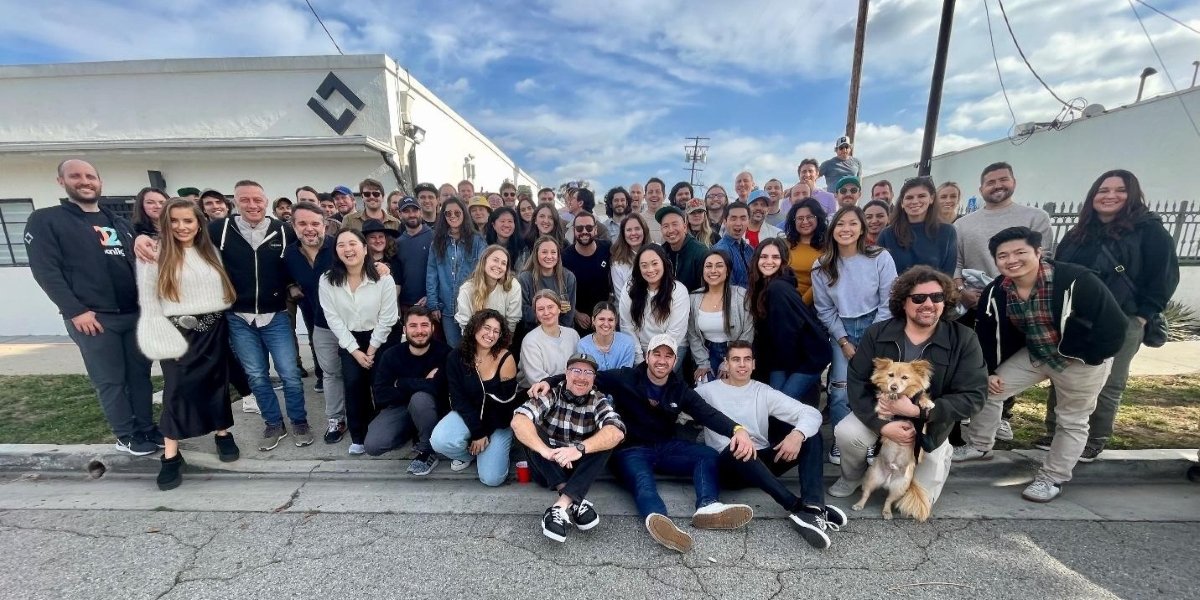
By the early 2020s, the firm had gone international. Observers report that Lemonlight has established a network of over 5,000 production professionals across more than 80 global markets. Its staff, comparatively small at about 183 employees, was supplemented by this large contractor base, enabling the company to achieve worldwide reach. Throughout this time, Lemonlight also constructed a 10,000-square-foot production studio in Los Angeles. The building featured several stages, a cyc wall, and a model home for lifestyle photography shoots, indicative of the company’s investment in plant facilities as demand for video content continued to grow.
Her leadership as the chief executive officer directly reflects this path. During her tenure, Lemonlight invested not only in tangible infrastructure but also in technology to streamline video production processes. Perhaps the most significant innovation was the launch of Hero. This in-house platform combined artificial intelligence with pre-production planning, logistics, and post-production feedback. Hero enabled clients to organize project details more effectively while leaving feedback loops for creative teams. It brought Lemonlight in line with general trends in advertising and marketing, where automation and AI capabilities were becoming increasingly prevalent.
As of October 2025, Lemonlight has worked with over 5,000 clients and produced more than 30,000 finished videos. This level of productivity positioned the company among the most productive video production companies operating in the commercial arena. Clients included popular brands such as Amazon, Toyota, Dyson, Walmart, Rolex, Airbnb, Lululemon, Procter & Gamble, Tesla, and Paramount. Its capacity to win projects from multinational companies as well as smaller firms indicates that Lemonlight marketed itself as flexible to serve a broad assortment of client demands.
The firm has also gained awards from diverse business and industry associations. Lemonlight was featured on the Entrepreneur 360 list in 2017, 2018, and 2019, and appeared on the Inc. 5000 list of fastest-growing private companies seven times from 2018 to 2025. Other recognitions include the NYX Grand Winner award in 2022, the Viddy Platinum Award in 2022, and the UpCity Excellence Award consecutively from 2020 to 2024. In 2023, the company was named one of Built In’s Best Places to Work in Los Angeles, won a Telly Award for Branded Content, and won the Communicator Award. The following year, Fast Company highlighted Lemonlight in its “Next Big Things in Tech” and Inc.’s Best in Business Awards in 2023 and 2024.
Whereas Lemonlight’s awards represent its position in the broader marketing sector, Horner herself has been recognized within leadership communities. She has been named to lists such as Inc.’s Female Founders. She is featured in programs that showcase women in advertising, technology, and media. These recognitions put her among a list of executives recognized for their work in innovation and business development. While the emphasis on the awards received by the company and the list of clients served indicates Lemonlight’s value being quantified in terms of creative delivery and corporate success.
Lemonlight’s rise must also be understood within the broader context of advertising’s evolution. Established forms of advertising, such as print and broadcast, are being replaced by digital advertising, which also entails a fundamental shift toward fast turnaround, real-time responsiveness, and visual connection. Lemonlight and similar companies serve as mediators between brands and their consumer audiences, translating complex yet crucial marketing objectives into video language for social media platforms such as YouTube, Instagram, LinkedIn, and TikTok.
The reality that Lemonlight leverages a worldwide network of production talent suggests that a significant demand still exists for local relevance in content, while balancing local relevance with a global creative stream.
Lemonlight’s transition from a local production service to a global content provider reflects the surge in its broader role, as video has now become critical in business communication. With firm investment in infrastructure, its shift to rely on AI-based tools, and expanded operations into international markets, Lemonlight has established itself at the forefront of changes taking place in digital marketing as the paradoxical neo-marketing of content forms for business becomes increasingly convoluted with agency promotional accruals.