

For centuries, the Indonesian archipelago was known to the world primarily for its natural resources. From the spice trade of the colonial era to the palm oil and coal exports of the 20th century, the nation’s currency stability was historically tethered to the volatile swings of global commodity prices. However, a profound shift is underway. Indonesia is rapidly transforming from a resource-based economy into Southeast Asia’s premier digital powerhouse.
This digital transformation, often referred to as the “Indonesian Rupiah tech boom,” is doing more than just creating billionaires and unicorns. It is creating a new economic engine that promises to modernize the financial system, attract sustained Foreign Direct Investment (FDI), and ultimately contribute to the long-term stability of the Rupiah.
Beyond Commodities: A New Economic Backbone
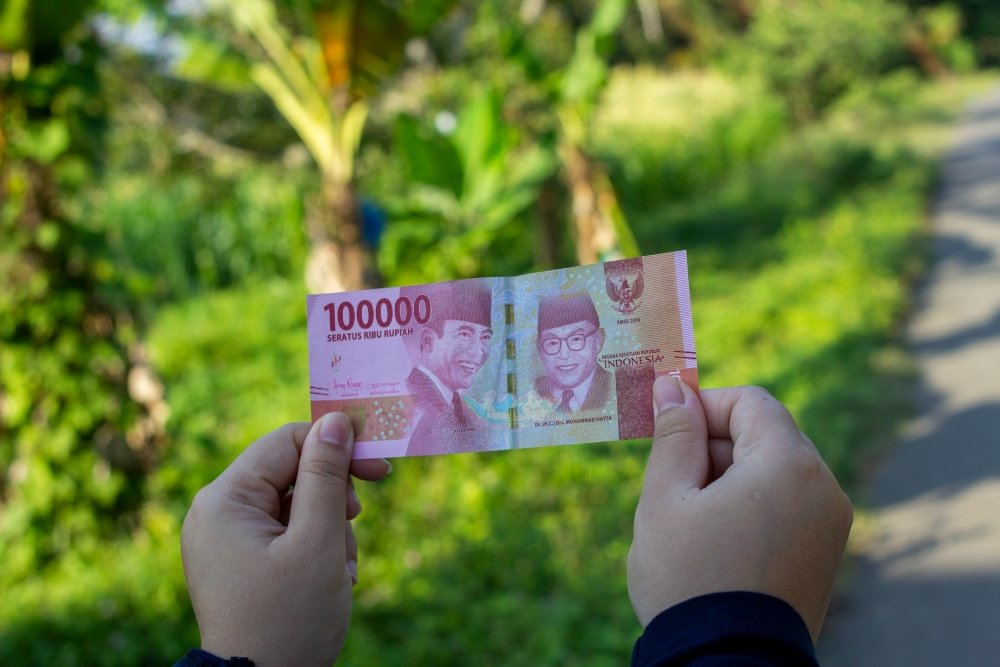
Photo: Unsplash.com
Historically, the Indonesian Rupiah (IDR) has been sensitive to external shocks. When global demand for coal or nickel dipped, the currency often suffered. Today, the digital economy is providing a necessary diversification. According to recent economic reports, Indonesia’s digital economy is projected to exceed $130 billion by 2025, driven largely by e-commerce, ride-hailing, and financial technology.
This shift reduces the country’s over-reliance on raw material exports. By building a robust service and tech sector, Indonesia is cultivating an internal consumption engine that is less susceptible to the boom-and-bust cycles of global commodities. As the digital sector contributes a larger percentage to the GDP, it offers a stabilizing counterweight to traditional industries, fostering greater confidence in the national currency.
The Unicorn Effect: Foreign Direct Investment (FDI)
One of the most direct ways the tech boom supports the Rupiah is through the massive influx of venture capital. Indonesia is home to some of Southeast Asia’s most prominent “unicorns” and “decacorns,” including GoTo (the merger of Gojek and Tokopedia), Traveloka, and Bukalapak. These companies do not just operate locally; they attract billions of dollars in investment from global giants like Google, Tencent, and SoftBank.
When foreign investors pour capital into Indonesian startups, they typically convert foreign currency (like USD) into Rupiah to fund local operations, infrastructure, and salaries. This demand for the local currency helps support its value against the dollar. Furthermore, the successful IPOs of tech giants on the Indonesia Stock Exchange (IDX) have deepened the local capital markets, inviting even more foreign portfolio investment.
Nvidia and the AI Frontier
The momentum shows no signs of slowing. Recently, global tech leader Nvidia announced plans to establish a $200 million AI center in Central Java. High-profile investments like these signal to the global market that Indonesia is a safe and lucrative destination for capital, further bolstering investor sentiment toward the Rupiah.
Fintech: Modernizing Money and Reducing Inflation

Photo: Unsplash.com
Perhaps the most critical sector within this boom is Fintech. Financial technology is solving one of Indonesia’s oldest challenges: the unbanked population. Platforms like OVO, Dana, and the government-backed QRIS (Quick Response Code Indonesian Standard) payment system are revolutionizing how money moves through the archipelago.
Research suggests that the proliferation of fintech can have a deflationary effect and lead to a real appreciation of the currency over time. by reducing transaction costs and increasing the “velocity of money” (the speed at which money changes hands), fintech makes the economy more efficient. A more efficient economy experiences less friction-induced inflation, preserving the purchasing power of the Rupiah.
Navigating the Market: Practical Insights for Investors
For international investors and business travelers, this booming digital landscape presents new opportunities. Whether you are looking to invest in the latest startup round or simply traveling to Jakarta to attend a tech summit, understanding the currency exchange landscape is vital. The stability provided by the tech sector makes the IDR a more interesting asset class than in previous decades.
However, physical cash and traditional exchange methods remain relevant for daily activities and initial entry. If you are preparing for a trip and need to find Indonesia Rupiah before you travel, it is wise to secure your currency from a reputable exchange service. Having local currency on hand ensures you can navigate both the modern digital hubs of Jakarta and the traditional markets that still form the cultural heart of the nation.
Government Support: The “Making Indonesia 4.0” Roadmap
The tech boom is not an accident; it is the result of deliberate government policy. The “Making Indonesia 4.0” roadmap outlines the state’s strategy to leapfrog into the fourth industrial revolution. Key initiatives include:
- Digital Infrastructure: Expanding 4G and 5G connectivity to rural areas to ensure the digital economy is inclusive.
- The Digital Rupiah (Project Garuda): Bank Indonesia is actively exploring a Central Bank Digital Currency (CBDC) to assert sovereignty in the digital age and ensure the monetary system keeps pace with crypto and blockchain developments.
- Regulatory Sandboxes: Allowing fintech startups to experiment with new business models under supervision without being stifled by rigid regulations.
These policies reassure investors that the government is committed to a digital future, adding a layer of political and economic stability that benefits the currency.
In Summary
The narrative of the Indonesian economy is being rewritten. While the islands remain rich in natural resources, the true engine of future growth lies in code, data, and digital connectivity. The Indonesian Rupiah tech boom is more than just a buzzword; it is a structural transformation that is attracting foreign capital, modernizing financial infrastructure, and reducing economic volatility.
As Indonesia continues its march toward becoming a top global economy by 2045, the synergy between technology and traditional finance will likely remain the primary stabilizer for the Rupiah, making the “Digital Archipelago” a force to be reckoned with on the world stage.
Disclaimer: The perspectives shared are based on publicly available data and should not be considered financial advice. Currency markets and economic conditions can change rapidly, and readers are encouraged to consult financial professionals or conduct independent research before making any investment decisions.