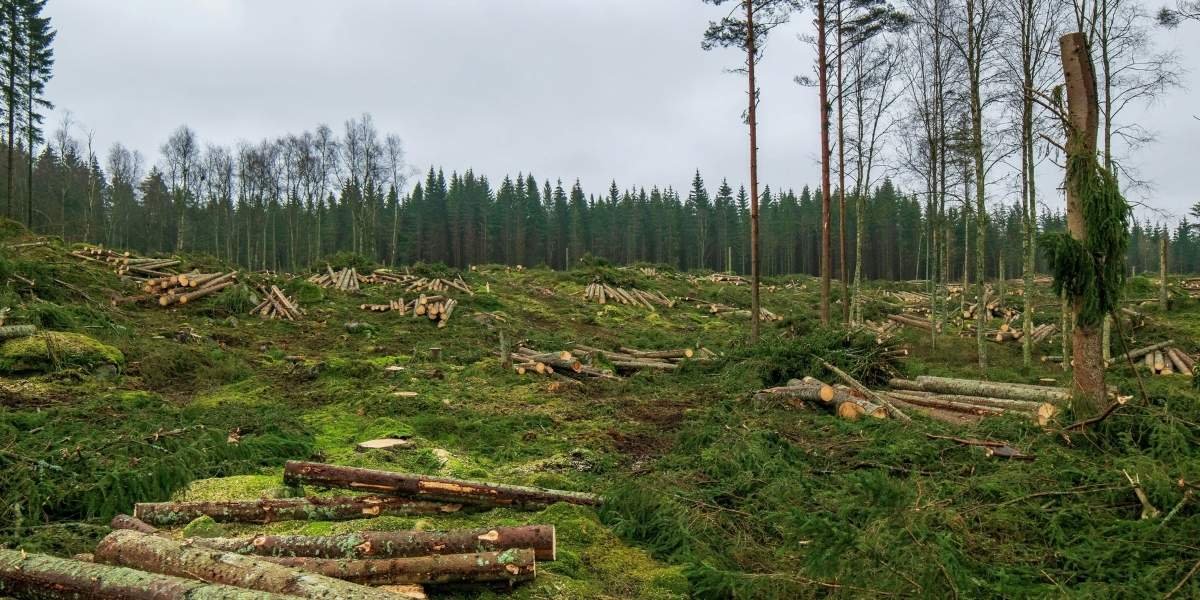

As the world grapples with the growing environmental crisis, one issue stands out for its long-term impact on both the planet and global markets: deforestation. In advance of the upcoming climate summit, a group of high-profile global investors is taking a strong stance, calling on governments to enact concrete policies aimed at halting deforestation by 2030. These investors, managing over $3 trillion in assets, argue that forests are essential not only for biodiversity but also for the economic stability that sustainable businesses rely on. As deforestation accelerates, so too do the risks for investors.
We break down the key policy asks from these investors and explore why halting deforestation is a financial priority as much as an environmental one.
The Business Case for Stopping Deforestation by 2030
The financial stakes of deforestation are immense. Forests are vital to the global economy, supporting agriculture, tourism, and numerous industries dependent on sustainable resources. Investors see deforestation as a systemic risk—one that threatens the resilience of global supply chains and undermines efforts toward sustainable economic growth. By the time global leaders convene at the climate summit, it is expected that they will address the mounting pressure from investors to include deforestation targets within climate action plans.
Key Policy Requests: Strengthening Regulations and Incentivizing Action
A significant portion of investors’ calls center on strengthening regulations that limit the financial benefits of deforestation. In particular, they want governments to introduce stricter laws that hold corporations accountable for deforestation within their supply chains. The investors have identified several key policy measures to implement by 2030:
Mandate Transparency in Supply Chains: Investors call for mandatory reporting requirements that hold companies accountable for the environmental impact of their sourcing and supply chain practices. This includes ensuring that companies trace the origins of raw materials like palm oil, soy, and timber to ensure they are sustainably sourced.
Carbon Credit Systems for Forest Protection: A shift toward a stronger carbon credit market could incentivize businesses to protect rather than destroy forests. Carbon credits tied to forest preservation could be integrated into corporate sustainability strategies to both offset emissions and contribute to protecting global biodiversity.
Incentivize Forest Restoration Projects: Several investors have advocated for governments to offer tax incentives or subsidies to businesses and local governments that engage in forest restoration and conservation projects. These incentives would be aimed at industries reliant on natural resources like agriculture and timber.
Sustainable Finance: Aligning Capital with Conservation
A key policy request is the development of frameworks for sustainable finance that tie investment to measurable environmental impact. Investors urge the creation of financial products designed specifically to fund initiatives aimed at halting deforestation. This includes funding for reforestation projects, sustainable agriculture, and carbon-offset programs.
As part of this push, these investors are calling for clearer definitions of what constitutes “sustainable finance” in the context of forest conservation. They argue that integrating forest protection into mainstream financial products—such as green bonds and ESG (environmental, social, governance) funds—will make it easier for investors to direct capital toward efforts to curb deforestation.
Investor Engagement: A Call to Action for the Private Sector

Photo Credit: Unsplash.com
Another crucial element of the investors’ requests involves increased private sector involvement in deforestation prevention. These investors want more companies to engage directly in initiatives that tackle the root causes of deforestation. This includes:
Creating Stronger ESG Metrics: Investors are urging companies to adopt more comprehensive ESG reporting standards that include forest conservation measures. These standards would align companies’ financial goals with environmental impact.
Collaboration Across Sectors: Businesses, governments, and non-governmental organizations (NGOs) need to work together to address deforestation. Investors are calling for greater collaboration to pool resources, knowledge, and technology to scale up efforts for stopping deforestation.
Diversifying Investment Portfolios with Green Assets: To support sustainable practices, investors are looking for opportunities to diversify their portfolios with green assets and companies that demonstrate a commitment to halting deforestation. This includes investing in agriculture firms that use technology to reduce their environmental footprint, such as satellite monitoring of forests and precision farming methods that minimize land clearing.
The Growing Role of Corporate Governance in Forest Protection
Corporate governance will play a pivotal role in driving change. Investors believe that strong corporate governance frameworks can ensure companies meet the standards necessary to protect forests. By holding management accountable for their actions on sustainability, companies will be incentivized to integrate deforestation goals into their core business strategies.
At the heart of corporate governance lies the growing demand for companies to manage natural resources responsibly. Investors are advocating for policies that would compel corporations to integrate forest protection into their long-term business plans. This could include the appointment of sustainability officers, the introduction of clearer environmental risk disclosures, and a formalized commitment to stopping deforestation in annual reports.
The Need for Global Coordination
While these policies are crucial, global coordination is vital. Deforestation is a transnational issue, and solutions require a unified approach. A single country’s efforts to curb deforestation may be undermined by neighboring countries that have less stringent regulations. Therefore, investors are calling for international frameworks and treaties that align deforestation goals and ensure consistent policy enforcement.
With the upcoming climate summit on the horizon, the stakes have never been higher. The investors pressing for action on deforestation are not only concerned about the future of the planet—they understand that environmental sustainability is inextricably linked to long-term economic stability.
In the years leading up to 2030, we expect more investment vehicles and financial incentives to emerge that support forest conservation. In parallel, market forces will push companies to embrace sustainable practices to remain competitive in an increasingly eco-conscious world. For investors, understanding these dynamics is critical. Not only does the battle to stop deforestation have environmental consequences, but it also has real economic implications for markets, industries, and the future of global trade.