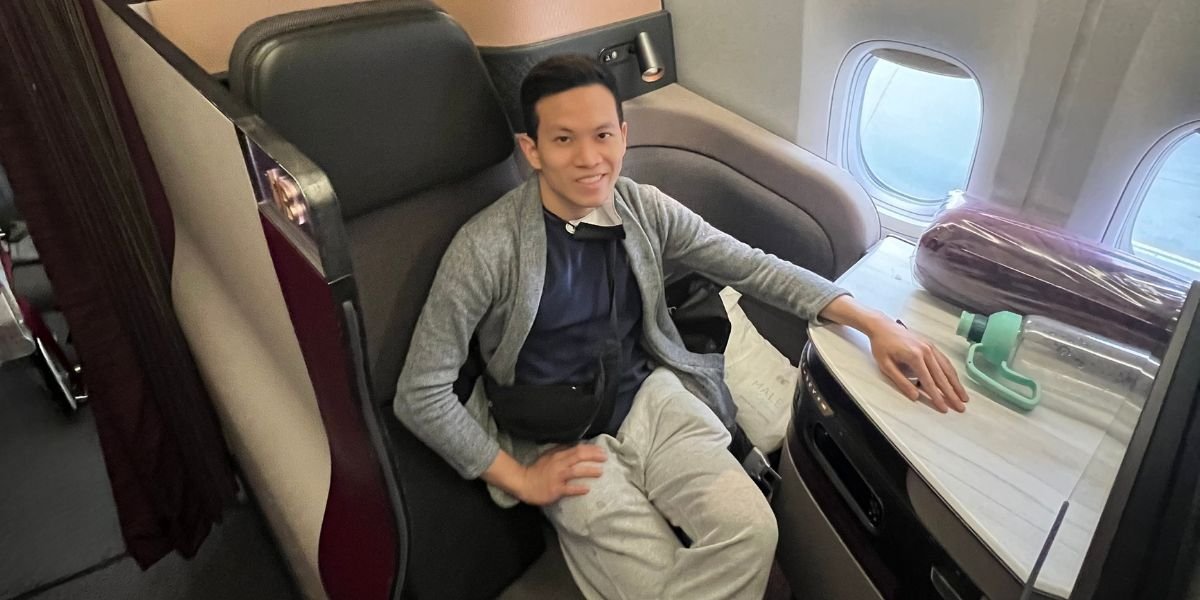
By: Trent Stephen Challis
The global luxury real estate market is dynamic and expansive. Carrara marble countertops, high-tech spas, and chandeliers are often worth more than most cars. But when you look past the glitz, you’ll find that the industry is still clinging to outdated practices in many parts of the world.
I remember walking through Dubai’s real estate innovation hubs—skyscrapers bathed in sunlight, surrounded by architectural masterpieces. Yet, as I took in the sights, I kept asking myself: Why isn’t anyone designing for how we actually live today?
That question led me on a journey—from integrating property technology to reimagining luxury real estate itself, from code to concrete.
Embarking on the Journey
Three years ago, I decided to take a leap into a new venture. I left behind a career in systems engineering and founded a real estate company that didn’t just focus on aesthetics, but on intelligence.
The luxury property market was ready for change.[1] It needed more than polished finishes and infinity pools—a fresh approach that fused thoughtful design, sustainability, and smart development, much like the innovation we see across other industries.
That’s how Starling Properties came to life.
We started small but with a vision that carried big ambition. From our base in Dubai, we grew rapidly yet responsibly, becoming one of the region’s most active brokerages in under three years. The real turning point came when we joined a major Middle Eastern conglomerate—a partnership that allowed us to scale our ideas globally.
That wasn’t the finish line; it was just the beginning.
Unveiling Industry Shortcomings
Dubai is exciting. It’s fast-paced, bold, and unafraid to push boundaries with its architecture. But as I visited one luxury development after another, something started to bug me. These multi-million-dollar homes had sweeping views, luxurious finishes, and expensive materials—but they often lacked something crucial: real systems.
No smart home features? Climate control that’s either on or off? Energy bills that could be quite high? These weren’t exceptions. They were the rule. [2]
If you’ve ever walked into a stunning property but felt something was off, then you know exactly what I mean. It was like a disconnect between beauty and functionality. And that gap? It was an opportunity to rethink what true luxury living should mean.
Recognizing the Opportunity
For years, the global luxury property scene mainly focused on visual excess—homes built to impress, but not to make everyday life easier. The market was full of gorgeous spaces that didn’t truly work for the people in them.
The realization wasn’t just about making luxury better—it was about making it smarter. What if property technology integration wasn’t an add-on, but part of the foundation? What if luxury could be beautiful, efficient, and sustainable simultaneously?
At Starling, we weren’t about retrofitting outdated models—we built from scratch.
Founding Starling Properties

Photo Courtesy: Market.us Scoop / Smart Homes Market
Starling Properties was founded on a simple, yet radical idea: True luxury comes from integrating technology and design, not just creating extravagant finishes.
We didn’t aim to impress with glitzy aesthetics. We set out to change the way people experience living. [3]
Pioneering a New Approach
Here’s what sets Starling apart:
Intelligent Living, Built-In
Smart homes should be the default, not the exception. At Starling, we didn’t tack on smart features after the fact—we designed them from the beginning. Everything from lighting and temperature to security and entertainment can be controlled with just a voice, phone, or schedule.
The key was not just using technology for the sake of it—but making sure these systems worked with the way people actually live. The result? Homes that feel more comfortable, are likely more energy-efficient, and just work better day-to-day.
Sustainable Luxury
Living sustainably shouldn’t come with trade-offs. We used reclaimed hardwoods, VOC-free paints, and other eco-friendly materials. Every property we developed met—and often exceeded—global environmental standards.
And the best part? Our clients didn’t have to choose between ultra-luxury standards and responsibility. They got both.
Operational Intelligence at Scale
Behind the scenes, we streamlined everything. We digitized workflows, automated documentation, and mapped every step of the process to ensure faster builds with fewer delays.
This approach helped us grow efficiently—in just a year, we expanded to a 75-member team and earned a place among the top five luxury brokerages on PropertyFinder.
Case Study: Transforming a Palm Jumeirah Villa
One of the most fulfilling projects we took on was transforming a beachfront villa on Palm Jumeirah. The property had incredible potential—but it was stuck in the past, with no automation, poor insulation, and a layout that made little sense.
Smart Home Integration
We introduced a complete automation suite, from voice-controlled climate zones to biometric entry and customized lighting presets. These features didn’t just make life easier—they completely redefined the living experience. [4]
Energy Efficiency Enhancements
We made the property more sustainable by upgrading insulation, adding solar panels, and installing a greywater recycling system. These improvements weren’t flashy, but they had a significant impact on energy efficiency and the home’s environmental footprint.
Architectural Redesign
We opened up the layout to maximize natural light and created distinct spaces for entertaining and relaxing. The result? A home that wasn’t just beautiful to look at—it was genuinely enjoyable to live in.
The outcome? Post-renovation, the villa’s appeal and market standing increased dramatically—not because we added more marble, but because we made every square foot smarter and more efficient. This is what a true design-led property transformation looks like.
Transition to Challis International Real Estate Ventures
After Starling’s acquisition, we asked ourselves: Can this model work beyond Dubai?
The answer was yes—and that question led to the creation of Trent Challis’s next venture, Challis International Real Estate Ventures. We’re now expanding our approach to global property development, applying our smart design and sustainability principles to regions still rooted in traditional methods.
Strategic Market Selection
When choosing markets, we look for three main factors:
- Strong Regulatory Frameworks
We prioritize regions with robust construction standards and reliable legal systems that promote transparency and quality. These environments are ready for innovation—but only if we can build on a stable foundation. - Reliable Supply Chains
Logistics are critical. We work in markets where contractors and suppliers can be relied upon to deliver consistent quality and timelines. A mature supply chain ensures our development philosophy is executed effectively from start to finish. - Rising Luxury Demand
We focus on regions where modern buyers are seeking more than just impressive homes—they’re looking for meaningful living experiences that align with their values of wellness, sustainability, and authenticity.
That’s where we go.
Expanding into Luxury Hospitality
We noticed something important along the way: our clients weren’t just looking for homes—they were seeking experiences.
They wanted their hotels to reflect the same seamless, sustainable environments we were creating in their residences. So we decided to bring that vision into hospitality as well.
Key Pillars of Our Hospitality Vision
- Personalized Experiences
Each hotel suite adapts to the guest—climate settings, scent profiles, lighting, and even art that shifts with time or personal preference. - Sustainable Operations
From zero-waste kitchens to water-saving technologies, we embed sustainability into every layer of our operations. ESG isn’t a checkbox—it’s a guiding principle. - Performance-Driven Design
We use local materials, modular technology, and sensory design principles to create spaces that are beautiful, functional, and enduring.
We’re not just building hotels—we’re shaping immersive environments where innovation and sustainability define modern luxury.
Lessons from a 36-Month Climb

Photo: Unsplash.com
The journey’s been fast, but it’s reinforced a few key truths:
-
Systems Over Luck
Success isn’t about getting lucky—it’s about engineering great outcomes. We built every part of our business as a system—something that could expand, improve, and be replicated. That’s how we were able to grow so quickly without cutting corners. [5]
-
Vision Needs a Strong Foundation
Great ideas don’t go anywhere without structure. Our success didn’t come from dreaming big—it came from executing a plan that worked consistently across multiple markets.
-
Luxury Is Changing
Modern luxury buyers aren’t just looking for a nice place to live—they want wellness, personalization, and sustainability built into the home’s foundation. It’s not just about luxury anymore—it’s about creating spaces that improve lives. [6]
Final Thoughts
Luxury real estate is evolving fast. It’s not just about size or opulence—it’s about creating homes that work. That’s the edge Trent Challis brings to the global stage.
From visionary design in Palm Jumeirah to international developments, the blueprint is clear: integrate smart technology, prioritize sustainable design, and lead through innovation.
The future of global real estate lies in smarter, better-designed living. Those who embrace this shift will define the next era of modern luxury.
The industry is moving forward—not by adding more marble or chasing record valuations, but by creating homes that are intelligent, efficient, and human-centered. The future of luxury is about building spaces that do more than impress—they improve lives.
As the market evolves, the companies that adapt to these principles will help shape a future where real estate isn’t just beautiful, but also functional and forward-thinking.
About the Author
I’m Trent Stephen Challis, a computer engineer turned real estate entrepreneur based in Dubai. With experience across the UK, EU, and U.S., I’ve led multiple ventures that combine technology, smart design, and operational excellence. I founded Starling Properties to bring innovation and sustainability to luxury real estate, and today we’re one of Dubai’s fastest-growing brokerages.
My background includes eCommerce, blockchain media, and systems engineering, giving me a unique edge in developing high-performance property solutions. As the founder of Challis International Real Estate Ventures, I’m expanding globally while staying grounded in Dubai, where I hold a 10-year Golden Visa. My mission is to build smarter, more meaningful living spaces that define the future of luxury.
Reference List
[1] Gustafsson, J. (2017). Systems engineering real estate development projects.
https://www.researchgate.net/publication/320829249_Systems_engineering_real_estate_development_projects
[2] Galvanize Climate Solutions (n.d.). Real estate investment strategies for a sustainable future.
https://galvanizeclimate.com/investment-strategies/real-estate/
[3] Market.us (2023). Smart Homes Market Size, Share, Trends and Forecast Report 2023–2032.
https://market.us/report/smart-homes-market/
[4] TechTarget (n.d.). Smart home or building (home automation or domotics).
https://www.techtarget.com/iotagenda/definition/smart-home-or-building
[5] CJR Builds (2021). The role of real estate in smart cities: Case studies from D.C. and beyond.
https://cjrbuilds.com/the-role-of-real-estate-in-smart-cities-case-studies-from-d-c-and-beyond/
[6] Security.org (2022). Smart home consumer shopping insights.
https://www.security.org/smart-home/consumer-shopping-insights/
Disclaimer: All information is provided for informational purposes only and should not be construed as professional advice. The author has made every effort to ensure the accuracy of the content, but no guarantees are made regarding the completeness or correctness of the information.