
Coffee is one of the most widely traded commodities in the world, yet the journey from farm to cup is far more complex than most people realize. Behind every bag of beans is a global network of farmers, exporters, traders, logistics providers, and importers working together to move products across continents.
According to insights from Jason Venturelli, the coffee trade is a prime example of how agricultural production, global markets, and logistics systems intersect. Understanding this chain is essential for businesses, importers, and even entrepreneurs entering the coffee industry.
Production Begins in Brazil and Colombia
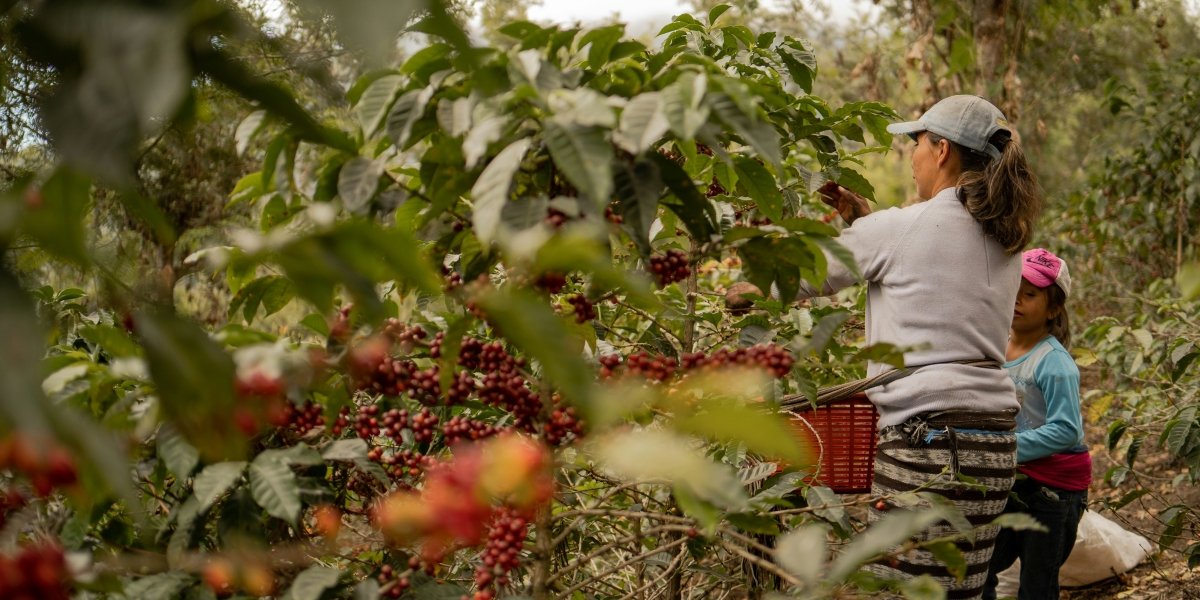
Two countries dominate global coffee production: Brazil and Colombia. Brazil leads in overall volume, producing both arabica and robusta beans, while Colombia is known for high-quality arabica exports.
Coffee farming is highly dependent on climate, elevation, and soil conditions. Harvest cycles vary by region, and production levels can fluctuate significantly from year to year. Farmers sell their beans to local cooperatives or exporters, beginning the journey into international markets.
Smaller producing countries in Africa and Southeast Asia also contribute to global supply, but Brazil and Colombia remain the primary drivers of volume and pricing benchmarks.
Climate Directly Impacts Pricing
Coffee is extremely sensitive to weather conditions. Droughts, excessive rainfall, and unexpected frosts can all damage crops and reduce yields.
For example, a frost event in Brazil can disrupt global supply and trigger immediate price increases. Similarly, prolonged drought conditions can reduce bean quality and output, affecting both availability and market value.
Jason Venturelli notes that climate volatility has made coffee pricing more unpredictable in recent years. Buyers and traders must now factor environmental risks into purchasing decisions, often securing supply ahead of time to hedge against shortages.
Coffee Futures Shape the Market
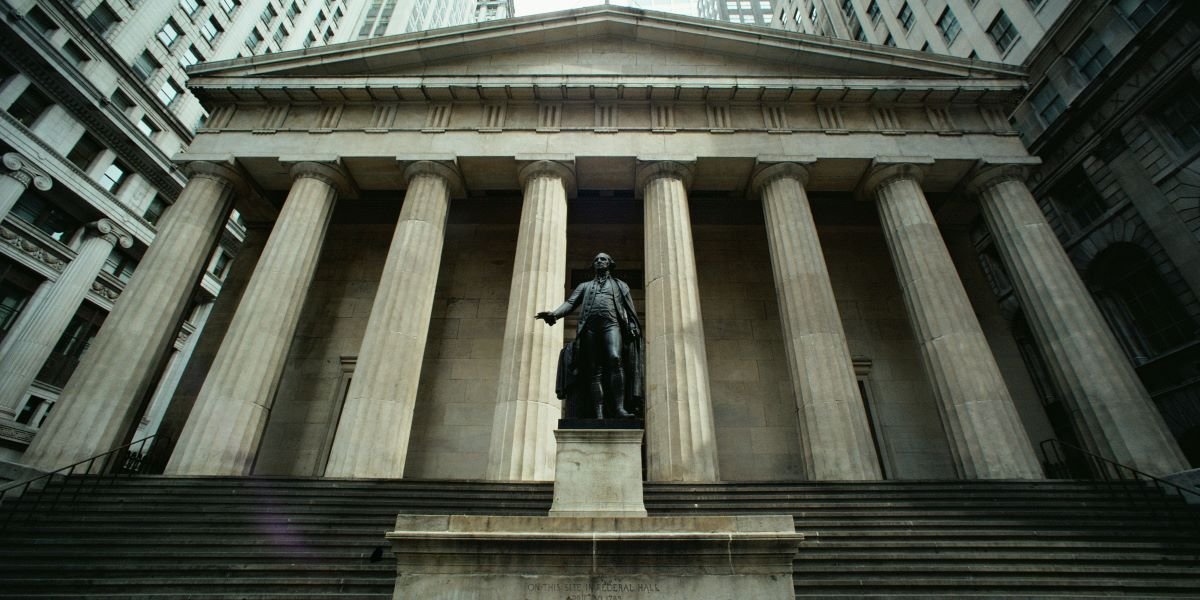
Coffee is actively traded on global commodity exchanges through futures contracts. These contracts allow buyers and sellers to agree on a price for coffee to be delivered at a future date.
Futures markets serve as a pricing benchmark for physical coffee transactions. Even small roasters and importers are indirectly affected by movements in these markets.
Price fluctuations can be driven by weather forecasts, geopolitical events, currency changes, and global demand trends. As a result, coffee prices can shift rapidly, impacting everyone from farmers to retailers.
Jason Venturelli explains that understanding futures markets is essential for managing risk in the coffee trade. Businesses that ignore these signals may struggle to maintain stable pricing.
Shipping Bottlenecks Disrupt Flow
Once coffee is processed and exported, it must travel across oceans to reach importing countries. This stage of the supply chain is heavily dependent on global shipping networks.
Port congestion, container shortages, and rising freight costs have all impacted coffee logistics in recent years. Delays at major shipping hubs can slow delivery times and increase costs for importers.
These bottlenecks are especially challenging for businesses that rely on consistent supply. Even short delays can disrupt roasting schedules, inventory planning, and retail distribution.
Efficient logistics coordination has become just as important as sourcing high-quality beans.
Wholesale Coffee Economics Drive Pricing
By the time coffee reaches importers and wholesalers, it has already passed through multiple layers of cost. These include farming, processing, export fees, shipping, insurance, and import duties.
Wholesale pricing must account for all these factors while remaining competitive in local markets. Margins can be tight, especially when global prices are volatile.
Roasters and distributors often buy in bulk to reduce costs, but this requires careful inventory management and cash flow planning. Sudden price increases in the futures market can significantly affect profitability.
Jason Venturelli highlights that successful coffee businesses understand not just sourcing, but the full economics of the supply chain. Every stage adds cost and risk, which must be managed strategically.
From Importer to Final Product
After arrival, coffee is typically purchased by importers who supply roasters, retailers, and food service businesses. Roasters transform green beans into the final product, which is then distributed to cafes, supermarkets, and consumers.
Quality control remains critical throughout this stage. Storage conditions, roasting techniques, and packaging all influence the final flavor and shelf life of the coffee.
This final step completes a long and intricate journey that began on farms thousands of miles away.
A Global System Built on Coordination
The coffee supply chain is a highly interconnected system that depends on coordination at every level. From farmers managing crops to traders navigating futures markets and logistics providers handling shipments, each link plays a vital role.
Organizations such as JSV Global Services operate within broader commodity and logistics ecosystems, helping facilitate trade across international markets.
As demand for coffee continues to grow worldwide, the importance of efficient supply chains will only increase. For businesses, understanding how coffee moves from origin to destination is essential for managing cost, quality, and long-term success.
In the end, every cup of coffee reflects not just a product, but a global network of effort, risk, and coordination that makes the trade possible.