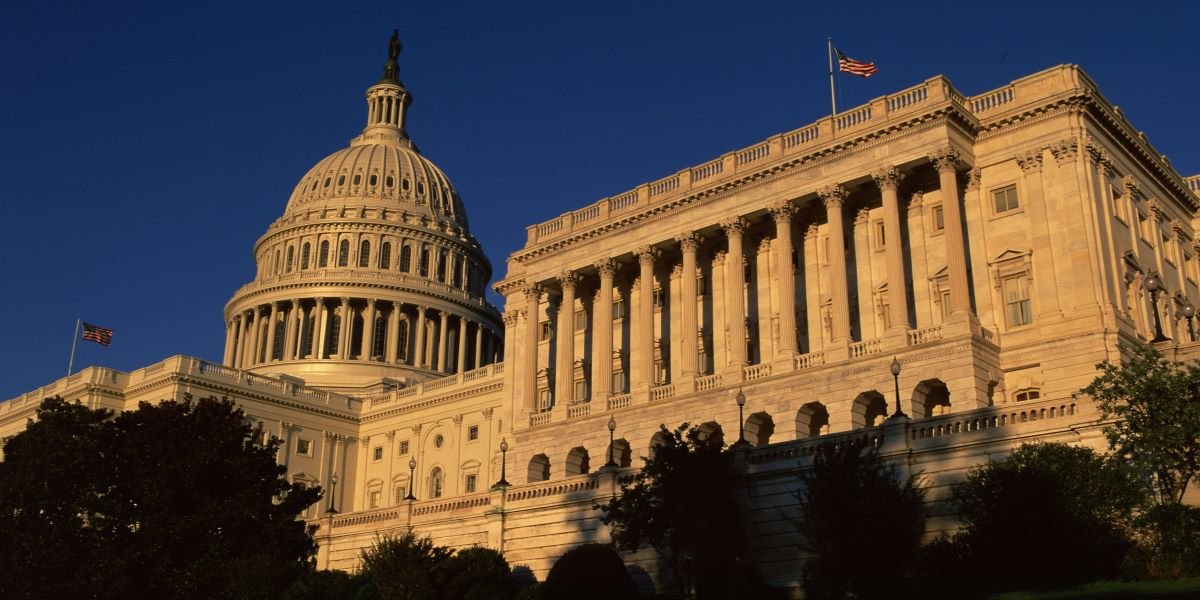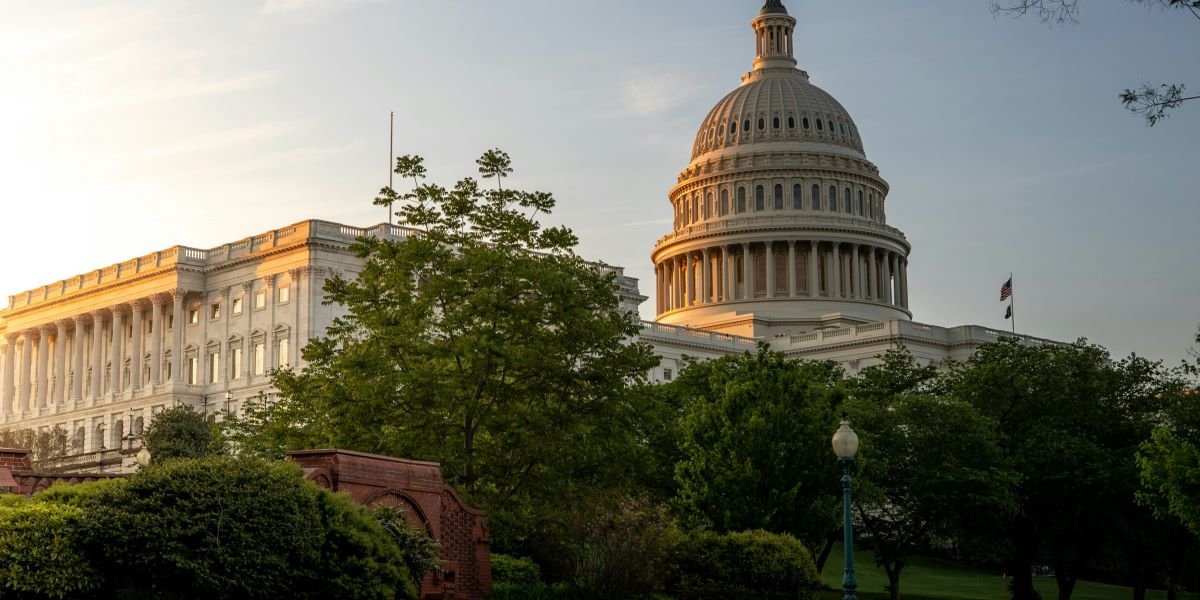

The Federal Reserve enters one of its most consequential leadership transitions in modern memory, with Kevin Warsh now installed as Chair, Jerome Powell remaining on the Board of Governors, and a Committee whose internal divisions have deepened materially through the spring. Markets are pricing zero rate cuts in 2026, sticky inflation has reasserted itself, and the 10-year Treasury yield is sitting above 4.40% near year-to-date highs.
The transition formally took place on May 15, when Powell’s term as Chair concluded. The Senate had confirmed Warsh in a 54-45 vote on May 13, with Pennsylvania Democrat John Fetterman the only Democrat crossing party lines. The vote was the most divisive ever for a Fed chair confirmation. Warsh, 56, becomes the 11th chair of the modern banking era. Powell will remain on the Board of Governors through the end of his governor term in January 2028, signaling unusual structural continuity at a moment when the institution faces real pressure from the White House and significant data-driven challenges from the macro environment.
The Data Behind a No-Cut 2026
The case for holding rates steady has hardened rapidly. March CPI accelerated to 3.3% year over year, up from 2.4% in February, with headline CPI rising 0.9% month over month driven by a 21.2% gasoline price surge tied to the Iran war. Producer prices rose 6% in April, intensifying the debate over whether the Fed can ease at all in 2026. Q1 GDP grew at an annualized 2.0%, a rebound from Q4 2025’s 0.5% which was distorted by the 43-day government shutdown.
The 10-year Treasury yield’s move above 4.40% reflects the market repricing of the rate path. TD Securities revised its forecast to no rate cuts in 2026, while still expecting the next FOMC move to be a cut rather than a hike. Wells Fargo Investment Institute has noted what it calls a “deepening divide” on the Committee, with a growing number of members favoring a neutral bias that supports no fund rate changes this year.
The April 29 FOMC meeting — Powell’s last as Chair — held the federal funds rate steady at 3.50%-3.75%. The Fed has now cut rates by 175 basis points since September 2024, but with inflation moving in the wrong direction and energy prices volatile, the next move in either direction has become uncertain. Bond markets are watching for the answer.
Warsh’s Record Suggests a Hawkish Tilt
Warsh brings a specific monetary policy ideology to the Chair’s seat. He previously served on the Fed Board from 2006 to 2011, including during the Global Financial Crisis, when he became the youngest Fed governor in history at age 35. During that period, he was a vocal internal critic of the scale of quantitative easing — arguing the Fed’s balance sheet expansion past $4 trillion had gone too far.
Since leaving the Fed, Warsh has been a consistent critic of the central bank’s monetary policy direction. In a CNBC interview in 2025, he publicly called for “regime change” at the central bank. His framing during the GFC was that elevated inflation risk justified maintaining higher rates even amid rising unemployment — a position that placed him to the hawkish side of even the contemporary FOMC consensus.
That history matters for the 2026 outlook. Warsh’s arrival in the Chair seat — combined with the existing hawkish dissents from Stephen Miran and Christopher Waller, who voted at the January FOMC meeting to lower rates by 25 basis points but found themselves outnumbered — does not point to an aggressive easing posture. If anything, the Committee composition now skews toward maintaining higher rates for longer absent clear disinflationary data.
The tension is structural. President Trump has pressed publicly for lower interest rates throughout his second term. Senator Fetterman explicitly cited Warsh’s pledge to maintain Fed independence on rate-setting as “crucial” to his crossover vote. Warsh now steps into the pressure zone between the White House, the bond market, and the Fed’s inflation mandate — without the political cover that Powell, as a Biden reappointee, had been able to project.
Powell’s Decision to Stay Matters
Powell’s choice to remain on the Board through 2028 carries strategic weight. Speaking after the April FOMC decision, he said he would keep “a low profile as a governor” and emphasized that “there’s only ever one chair of the Federal Reserve Board.” But his continued presence preserves institutional memory, internal voting weight, and a check against any aggressive policy pivot that could be read as politically driven.
Powell’s tenure as Chair concluded with him widely characterized as one of the most crisis-tested Fed chairs in the modern era — having navigated COVID, the post-pandemic inflation surge, the 2024 disinflation trajectory, and the 2026 oil shock from the Iran conflict. His decision to remain on the Board denies the White House an immediate opportunity to fill another seat.
What the Market Sees Ahead
The June FOMC meeting will be Warsh’s first as Chair. Markets are watching three signals closely: language shifts in the post-meeting statement, the updated Summary of Economic Projections (the “dot plot”), and the press conference tone on whether the Committee is prepared to act on the Iran-driven energy inflation as a temporary supply shock or as a more durable price pressure.
For fixed income markets, the most consequential question is the front end of the curve. Two-year Treasury positioning has shifted to reflect a higher probability of rates holding through 2026 than was priced even a month ago. Equity markets, supported by sustained AI-driven capital deployment and a resilient consumer, have been less reactive to the Fed transition than bond markets — but valuations at current levels (the S&P 500’s Shiller P/E sits at 41.83, the second-highest reading in market history) leave equities exposed if the Fed signals it intends to maintain restrictive policy through the full calendar year.
The transition is now complete. The data and the dissents will determine what comes next.
Disclaimer: This article is for informational and editorial purposes only and does not constitute financial, investment, tax, or legal advice. Statements, opinions, and projections referenced are subject to change based on evolving market conditions. Federal Reserve policy decisions, interest rate paths, and macroeconomic indicators referenced are as of the dates noted. Readers should conduct their own research and consult qualified financial professionals before making investment decisions.