As global markets continue to respond to shifts in U.S. monetary policy and oil prices, Gulf economies—strongly linked to the petrodollar system—are experiencing a split in market performance. With fluctuating oil prices and shifting expectations around the Federal Reserve’s interest rate moves, investors in Gulf markets face a complex, multi-layered environment. In this article, we explore how changes in the U.S. Federal Reserve’s policy are influencing these regional markets and what it means for investors keeping an eye on the Gulf’s economic future.
The Petrodollar System and Its Importance to Gulf Economies
The petrodollar system—where oil sales are predominantly priced and settled in U.S. dollars—has been a cornerstone of Gulf economies for decades. This system not only stabilizes the dollar but also ties the economic performance of oil-exporting countries in the Middle East directly to global oil prices and U.S. monetary policy.
For Gulf states, fluctuations in oil prices are critical to their economic health. As major oil producers, these countries rely on high oil prices to fund infrastructure, public services, and development projects. However, the link between the petrodollar and U.S. monetary policy has grown increasingly complex, particularly as the Federal Reserve adjusts interest rates.
Fed Rate Moves and Their Impact on Gulf Markets
The recent split in Gulf market performance stems largely from shifting expectations surrounding the Federal Reserve’s interest rate policies. As the Fed signals more rate hikes or holds its course, the strength of the U.S. dollar fluctuates, impacting everything from inflation to foreign investment. For Gulf countries with significant dollar reserves, the Fed’s actions have direct consequences on their fiscal strategies.
While some Gulf markets, like those in the UAE and Qatar, are seeing solid returns, others, particularly in Saudi Arabia, have shown signs of slowing growth. This divergence can be traced to differences in how countries manage their currency pegs and fiscal policies in response to U.S. monetary moves.
Currency Pegs and Economic Divergence

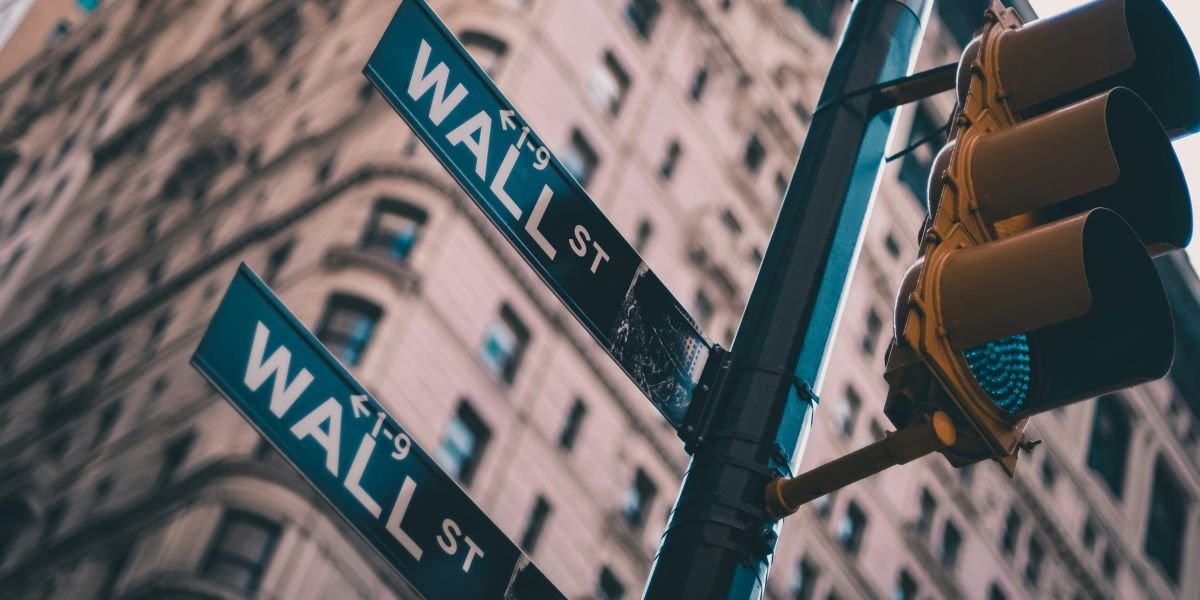
Photo Credit: Unsplash.com
Many Gulf nations, including Saudi Arabia, Kuwait, and Bahrain, have their currencies pegged to the U.S. dollar. This connection ensures that their currencies remain stable, but it also exposes them to the fluctuations of the dollar. When the Fed raises interest rates, the U.S. dollar strengthens, which can lead to inflationary pressures in these Gulf economies. In turn, their central banks must adjust their monetary policies, often hiking rates in tandem with the Fed, which can slow down growth and dampen investor sentiment.
Other markets, like the UAE, have more flexibility in their economic policies and have begun diversifying away from oil dependence. These markets have shown greater resilience in times of dollar volatility, leading to stronger stock performances compared to other Gulf regions.
Oil Prices: A Double-Edged Sword for Investors
Oil prices remain the lifeblood of Gulf economies, but the volatility seen in recent years presents both opportunities and risks. When oil prices are high, Gulf markets thrive—boosting everything from real estate to the banking sector. However, as oil prices soften, or if global demand drops due to economic slowdowns in major markets like China, the effects on Gulf economies are immediate.
The Fed’s actions indirectly influence oil prices by impacting the strength of the U.S. dollar. A stronger dollar typically leads to lower oil prices, as oil becomes more expensive for foreign buyers. In contrast, a weaker dollar can help stabilize oil prices, but it also raises concerns about inflation, particularly for investors who rely on a stable currency.
Investor Strategies in a Divided Gulf Market
For investors looking at the Gulf, the key to success is understanding the complex relationship between oil, the petrodollar system, and the Federal Reserve’s actions. Here are some strategies to consider:
Diversify Across Markets: Given the divergent performance of Gulf markets, spreading investments across different economies can help mitigate risk. Investors may want to focus on regions like the UAE and Qatar, which are better insulated from the risks associated with fluctuating oil prices and the strength of the U.S. dollar.
Monitor U.S. Fed Announcements: The Fed’s monetary policy decisions continue to impact Gulf markets. Keeping a close eye on U.S. rate hikes or cuts can provide valuable insights into currency strength and oil market dynamics, helping investors time their moves.
Focus on Non-Oil Sectors: As some Gulf states diversify away from oil, sectors like technology, infrastructure, and tourism are seeing growth. These areas offer attractive opportunities for investors who want to minimize their exposure to oil price fluctuations.
Navigating a Complex Economic Landscape
The split in Gulf market performance amid shifting petrodollar dynamics and the Federal Reserve’s interest rate moves underscores the need for investors to stay alert and informed. While some regions are seeing growth, others face headwinds driven by currency and oil price volatility. By understanding these nuances and adjusting investment strategies accordingly, investors can navigate this complex economic landscape and position themselves for success in the evolving Gulf market.
Disclaimer: This information is strictly for educational and informational purposes and does not constitute professional financial or investment advice. The content is presented to encourage further research and should not be seen as a recommendation to buy, sell, or trade any specific assets.
Investing involves significant risk, and past performance is not a guarantee of future results. Because every financial situation is unique, it is important to consult with a licensed professional or qualified advisor before making any decisions with your money. Any actions taken based on this material are at your own discretion and risk.