
The 2026 FIFA World Cup is not just a major sporting event—it’s a pivotal moment for the U.S. economy. With the tournament set to be hosted by the U.S., Canada, and Mexico, the economic ripple effects will reverberate across multiple industries, from tourism to infrastructure, real estate to consumer spending. For investors and stakeholders, the 2026 World Cup is shaping up to be a macroeconomic catalyst, spurring economic growth, job creation, and a revitalization of major U.S. cities. As the world’s biggest sporting event, it brings an unparalleled opportunity for business growth and strategic investment.
The 2026 World Cup is expected to bring millions of international visitors to U.S. cities, propelling demand for everything from hotel accommodations to transportation services. The increased tourism will not only boost local economies but also fuel a surge in infrastructure investment and development. For investors in sectors like real estate, hospitality, and urban planning, this is a signal to prepare for heightened activity leading up to and during the event.
We explore how the World Cup will act as an economic multiplier for U.S. businesses and investments, providing actionable insights for Wall Street investors who are eyeing the long-term opportunities stemming from this global event.
Economic Boost: How the World Cup Will Drive U.S. Tourism
Tourism is one of the primary sectors poised to benefit from the 2026 World Cup. As the host nation, the U.S. is expected to experience a surge in international visitors, with millions of fans flocking to cities like New York, Los Angeles, and Miami. These cities are already preparing for the influx of tourists, investing in both infrastructure and services that will be essential to accommodate the expected surge.
Hotels, airlines, and local businesses catering to tourists are likely to see significant revenue gains, with many companies positioning themselves to benefit from the event. For example, hotel chains and local rental services will experience a sharp increase in bookings, while the transportation sector, including ride-sharing and public transit, will be under intense demand. Local businesses, including restaurants, bars, and entertainment venues, will also see a windfall as tourists spend money in the cities they visit.
For investors in hospitality, real estate, and travel, the World Cup represents an unparalleled opportunity to capitalize on short-term revenue spikes. Stock prices for companies with exposure to tourism and leisure sectors are expected to rise in the lead-up to the event, and strategic investments in hotels or commercial properties in host cities could yield high returns. Furthermore, the event will likely create long-term tourism growth, even after the World Cup ends, as the U.S. solidifies its position as a premier global destination for major international events.
Infrastructure Investment: Preparing for a Global Event
In anticipation of the 2026 World Cup, U.S. cities are investing heavily in infrastructure. Upgrades to airports, public transportation systems, and stadiums are underway, ensuring that the cities are well-equipped to handle the influx of visitors. The federal government, local municipalities, and private businesses are collaborating on projects that will not only benefit the World Cup but also improve urban infrastructure for years to come.
For investors, this represents a significant opportunity. Public-private partnerships (PPPs) are already forming to fund major infrastructure projects, particularly in transportation and urban development. As host cities complete renovations and build new facilities, the value of surrounding real estate is likely to increase, making these areas prime locations for property investment. Additionally, construction companies, engineering firms, and infrastructure-related businesses stand to benefit from the increased demand for their services.
The World Cup will act as a catalyst for the modernization of U.S. infrastructure, creating a ripple effect that could enhance the nation’s overall economic competitiveness. Companies involved in infrastructure projects, from design to execution, will see considerable business opportunities in the coming years.
Real Estate and Consumer Spending Surge in Host Cities
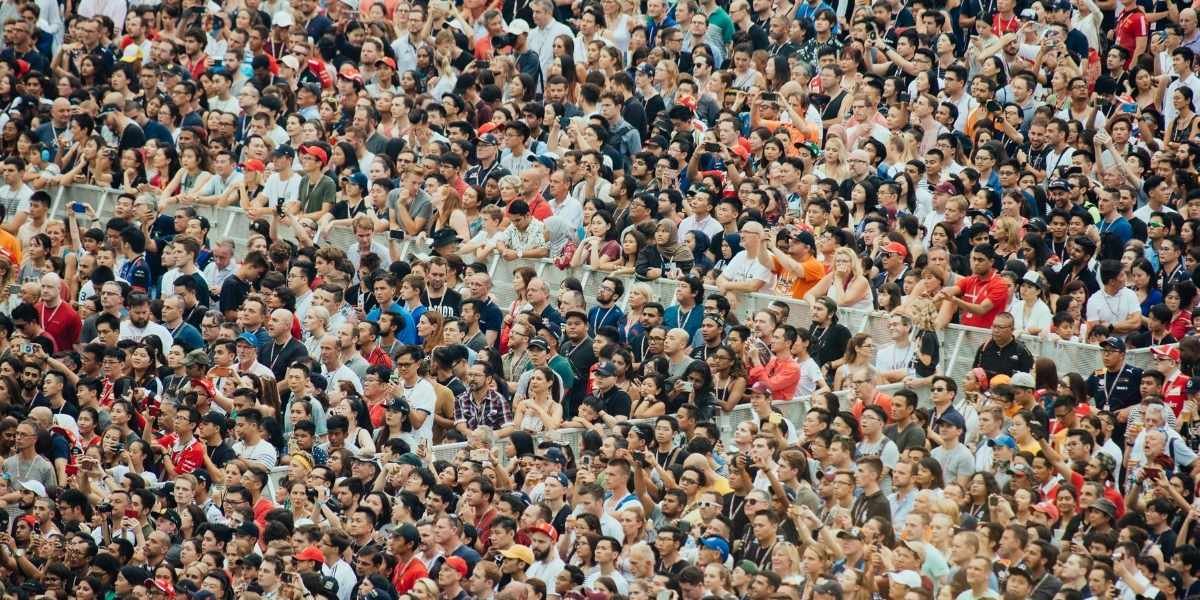
Photo Credit: Unsplash.com
One of the most immediate economic impacts of the 2026 World Cup will be felt in real estate markets. With millions of tourists and visitors descending on the host cities, demand for both temporary and long-term housing will spike. Hotels, short-term rental properties, and commercial spaces near the World Cup stadiums are expected to see an influx in demand, while residential real estate in prime locations will likely experience price appreciation due to heightened demand.
The event will also drive consumer spending, particularly in retail and entertainment. As visitors flood into the U.S. for the tournament, they will spend on merchandise, food, entertainment, and leisure activities. These spending patterns will provide a boost to both local economies and national consumer-facing industries. Brands in the fashion, technology, and lifestyle sectors are already gearing up for the event, with some expected to launch World Cup-themed products or experiences to capitalize on the global attention.
Investors in real estate, retail, and consumer goods should be aware of the ripple effects that the World Cup will have on property values and consumer demand. The event presents unique opportunities to tap into these growing markets, with significant growth expected in sectors related to travel, housing, and discretionary spending.
Long-Term Impacts: Sustaining Growth After the World Cup
While the World Cup will provide a short-term economic boost, its long-term effects will be felt across multiple sectors. The global attention that the event attracts will shine a spotlight on U.S. cities, leading to sustained interest from both tourists and businesses alike. The infrastructure improvements made for the World Cup will continue to benefit the cities for decades, supporting long-term growth in real estate and tourism.
The U.S. will solidify its reputation as a hub for international events. The success of the 2026 World Cup could position the country to host more large-scale sporting events in the future, including the Olympic Games and other international competitions. This sustained momentum could lead to ongoing investment in U.S. cities, particularly those that served as host cities for the World Cup.
For investors, this translates into sustained growth opportunities in the real estate and hospitality sectors. Cities that host major international events tend to see continued business development and tourism long after the event has ended, as global interest and capital flow into these markets.
Capitalizing on the 2026 World Cup Economic Surge
The 2026 World Cup is poised to be a major economic catalyst for the U.S., with far-reaching effects across tourism, infrastructure, real estate, and consumer spending. As host cities prepare for the event, investors have a unique opportunity to capitalize on the surge in demand for services, properties, and infrastructure. The event’s impact will continue to reverberate long after the final whistle, making it a key moment for forward-thinking investors to explore opportunities in the U.S. economy.
With the potential to transform host cities into global destinations, the World Cup is set to become one of the most significant drivers of economic activity in the coming years. Investors should remain vigilant in monitoring developments and align their portfolios to capitalize on the growth that this monumental event will bring.