

Financial risk does not always end when inventory is written off.
Public companies carefully track assets through production, distribution, and sale. Yet, when merchandise becomes unsellable — whether due to seasonal shifts, defects, overproduction, or program changes — it often exits the balance sheet with far less scrutiny than it entered. That exit point can quietly create exposure that may extend beyond accounting adjustments.
When excess goods leave corporate control without structured destruction protocols, they might resurface. Branded products could appear in unauthorized resale channels. Retired uniforms may be worn by individuals with no affiliation to the issuing company. Sample merchandise may find its way into discount markets, potentially diluting pricing discipline and confusing consumers who might not distinguish between authorized and unofficial supply.
The immediate financial loss could appear minimal because the inventory has already been written down. The secondary effects, however, could be more significant.
Unauthorized resale has the potential to trigger channel conflict with approved distributors. Discounted appearance of branded goods might weaken premium positioning. Defective or outdated products re-entering circulation could create reputational damage that might outweigh their original production cost. In certain cases, former employee uniforms appearing publicly might even raise safety and impersonation concerns.
The issue is not recycling versus disposal. It is asset containment.
Traditional recycling arrangements often prioritize diversion metrics rather than permanent disablement. Materials could be repurposed, downcycled, or transferred through multiple intermediaries without formal safeguards preventing re-entry into commerce. In such scenarios, companies may lack documented assurance that goods have been irreversibly removed from circulation before downstream handling.
From a governance perspective, that gap could matter.
Corporate oversight frameworks emphasize internal controls, risk mitigation, and traceability. Yet, end-of-life handling frequently falls into a procedural gray area between operations and sustainability. When documentation does not clearly demonstrate that branded goods were permanently destroyed, oversight may be incomplete.
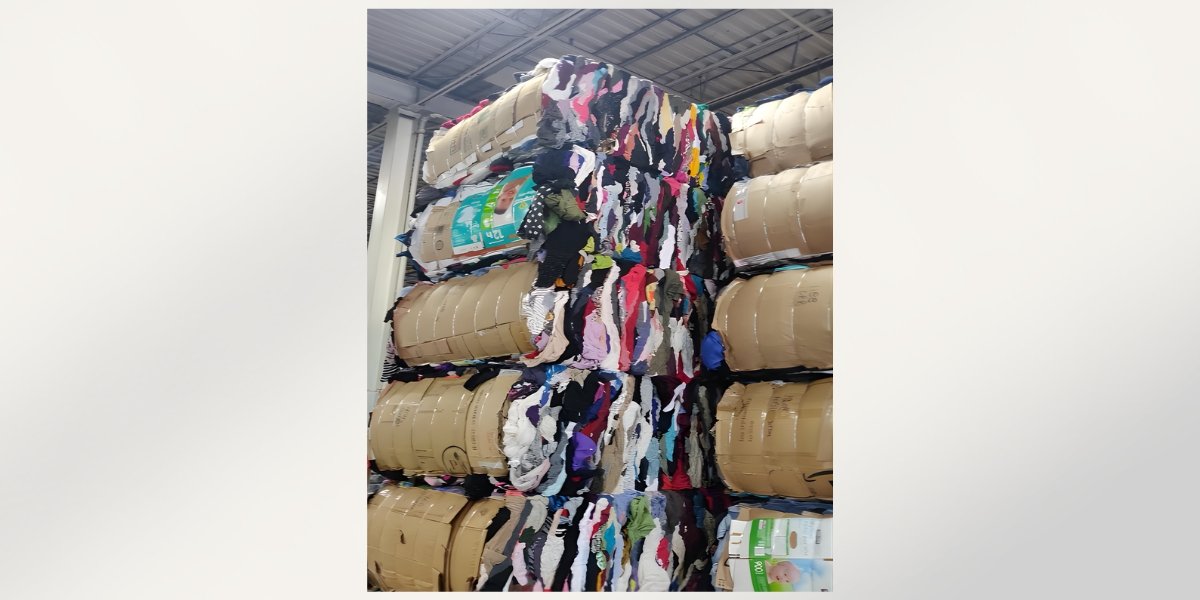
Structured textile destruction introduces discipline into this final stage of the lifecycle. Industrial processing that renders garments permanently unwearable eliminates the possibility of resale before materials enter recovery streams. Once mechanically shredded beyond recognition, a product can no longer function as branded apparel. The logo loses its commercial weight because the garment itself no longer exists in usable form.
When paired with documented transfer verification and formal certificates confirming destruction, disposal shifts from an informal removal activity to a controlled risk management function.
Vespene Recycling operates within this containment framework. The Nevada-based facility, holding GRS certification and operating under an ISO 14001 environmental management system, focuses specifically on secure textile destruction designed to eliminate the possibility of resale exposure before materials move into broader recycling pathways.
Equally important is evidentiary support. Verified custody documentation from pickup through final processing provides audit-ready confirmation that goods were handled under controlled conditions. For compliance teams, finance departments, and audit committees, this documentation converts assumptions into defensible proof.
Regulatory developments further amplify the stakes. Emerging textile accountability statutes, including California’s Responsible Textile Recovery framework, are shifting expectations from voluntary recycling claims to measurable, documented outcomes. As enforcement timelines approach, companies will be expected to substantiate their end-of-life practices rather than describe them in general terms.
For enterprise brands managing recalls, uniform transitions, rebranding initiatives, or seasonal liquidations, end-of-life handling must align with the same internal controls applied to inbound inventory. Secure destruction must integrate into corporate logistics without creating operational disruption or documentation gaps.
Ultimately, excess inventory is not merely a disposal issue. It is a reputational and governance variable with financial implications.
Companies that implement structured destruction protocols and verifiable documentation reduce the likelihood of secondary-market leakage. Those who rely on loosely tracked disposal channels accept a level of uncertainty that may only become visible after brand value has been compromised.
Inventory does not stop being a liability simply because it is no longer sellable.
Without formal destruction controls, it remains a latent exposure that could resurface in ways that undermine pricing discipline, brand integrity, and corporate oversight.