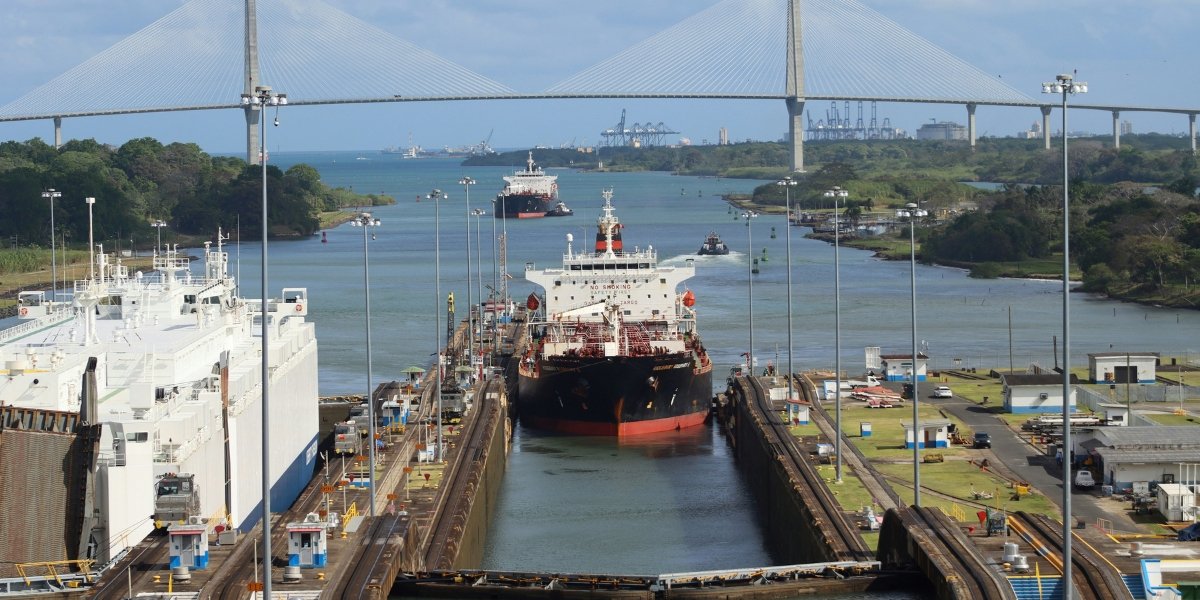

The global maritime shipping industry faces a new wave of uncertainty following the impasse in a crucial deal involving BlackRock, MSC (Mediterranean Shipping Company), and the future of Panama Canal ports. This stalled acquisition, valued at a staggering $23 billion, has the potential to reshape how supply chains function worldwide. But beyond the headlines, investors should pay attention to the broader implications for maritime throughput, trade routes, and ultimately, stock market performance.
In this article, we’ll explore the details behind the BlackRock-MSC port deal, the reasons for its stalling, and why it matters to Wall Street and the broader economy. We’ll also analyze what this means for investors looking to position themselves for future disruptions in global trade.
What’s at Stake with the BlackRock-MSC Port Deal?
At the heart of the BlackRock-MSC deal is an acquisition involving a critical part of the Panama Canal’s global shipping infrastructure. BlackRock, a global leader in asset management, teamed up with MSC to bid for controlling stakes in multiple major ports along the Panama Canal. These ports serve as key transit points for global trade, handling everything from consumer goods to high-value commodities.
However, the deal has hit a significant roadblock. China’s Cosco Shipping, a major player in the global maritime industry, demanded a controlling stake in the project. This request has complicated the deal and caused a deadlock, sending ripples through markets and triggering a broader debate about the role of international politics in major infrastructure deals.
Implications for Global Trade and Port Infrastructure
The impasse has raised serious concerns about the future of global trade. The Panama Canal, which connects the Atlantic and Pacific Oceans, is one of the most important trade routes in the world. A disruption here could have a domino effect on the entire global supply chain, impacting everything from shipping times to costs for businesses worldwide.
For investors, this presents a clear risk to sectors reliant on smooth shipping operations, including consumer goods, energy, and automotive industries. Companies that rely on efficient global logistics will likely face higher costs, which could eat into their bottom lines.
Beyond immediate risks, the deal’s delay also highlights broader challenges in global supply chains and the increasing role that geopolitical tensions play in trade-related deals. The involvement of state-backed Chinese entities adds an extra layer of complexity, especially given the current climate of trade wars and rising protectionism.
The Role of Corporate Governance in Port Deal Negotiations

Photo Credit: Unsplash.com
At a time when corporate governance and ethical business practices are under increasing scrutiny, the BlackRock-MSC impasse serves as a case study in the importance of transparency and strategic decision-making in large-scale infrastructure projects.
For investors in the global shipping and port sectors, this deal underscores the need for heightened due diligence, especially when cross-border political interests come into play. While the financial returns from controlling major ports are tempting, the governance issues involved in such deals cannot be ignored. Companies like BlackRock and MSC must carefully navigate not just financial risks, but the ethical dimensions of their corporate strategies.
As this impasse demonstrates, the success or failure of these kinds of acquisitions doesn’t solely depend on financial metrics. In fact, political and governance issues can dramatically alter the outlook of these deals.
Impact on Maritime Throughput and Wall Street
The long-term impact of the BlackRock-MSC impasse on maritime throughput could be profound. Port congestion, delays, and disruptions to established shipping routes will likely drive up transportation costs, which could translate into higher prices for consumers. In turn, this could impact inflationary pressures worldwide and affect how central banks approach monetary policy. Investors closely monitoring inflation data should take note of any signs of rising costs in the logistics sector as it could affect broader economic trends.
On Wall Street, this deal highlights the significance of the global supply chain in determining stock performance. The logistics and transportation sectors are intricately connected to various industries that rely on global trade. Shipping stocks, port operators, and related industries could experience volatility depending on the outcome of this deal. Additionally, broader market sentiment may shift if investors begin to view international trade routes as more vulnerable to geopolitical pressures.
The MSC and BlackRock deal also presents investment opportunities for those interested in infrastructure plays. While the deal’s delay poses a risk to the broader logistics sector, companies involved in maritime technology, port security, and shipping innovations might find themselves benefiting from increased demand for alternatives to traditional shipping methods.
Navigating the Future of Maritime Trade and Investor Opportunities
Looking ahead, there are several ways investors can adjust their strategies in response to the BlackRock-MSC port deal impasse. One potential opportunity is to focus on companies that specialize in port automation and maritime technology—sectors poised for growth as global trade seeks efficiencies to combat delays and bottlenecks.
Investors should also pay close attention to government responses to the impasse. Governments, particularly in regions reliant on the Panama Canal, could introduce policies to ease the crisis or incentivize alternative port infrastructure projects. This could lead to investment opportunities in emerging trade hubs and infrastructure.
Investors should monitor global shipping stocks for volatility in the short term, while keeping an eye on the long-term implications of shifting geopolitical alliances and trade agreements. These companies, while facing near-term risks, could also experience long-term growth as new trade routes and innovations reshape the industry.
What’s Next for the BlackRock-MSC Deal and Global Trade?
As the BlackRock-MSC deal remains in limbo, the global maritime sector is left to reckon with its future. For Wall Street investors, this impasse is a reminder that global trade is often vulnerable to forces far beyond financial metrics. The resolution of this deal—and its subsequent impact on maritime throughput—will have profound implications on supply chain resilience, port infrastructure investments, and global trade policy. Investors must remain alert to these shifting dynamics as they make strategic decisions in the coming months.