
By: Nick Themas
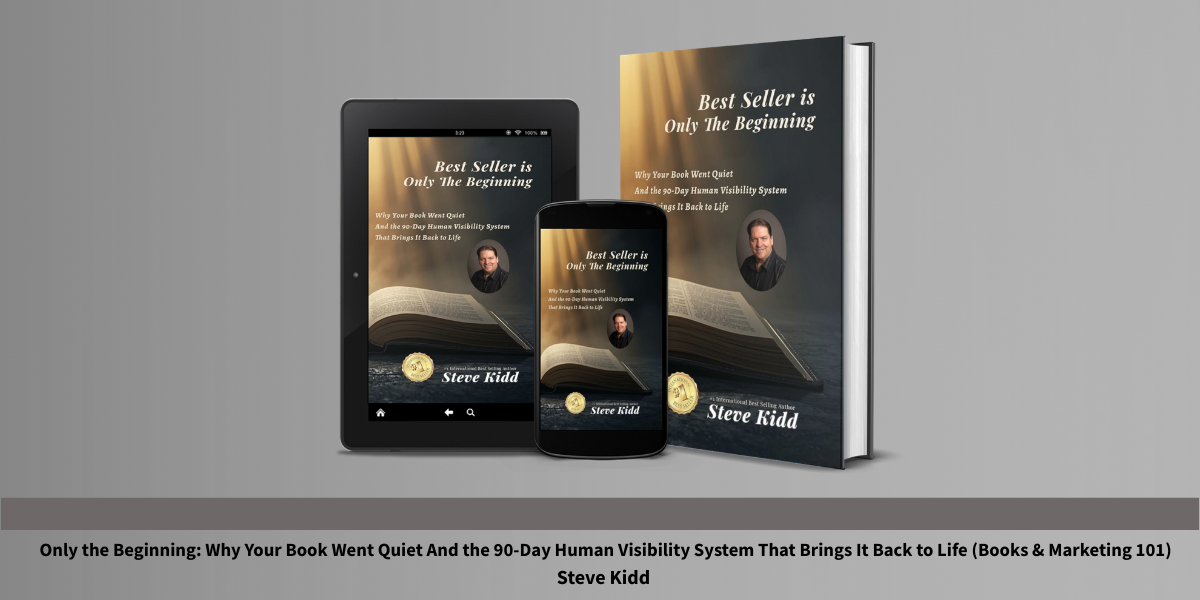
There is a specific kind of grief that authors don’t talk about enough. It’s not losing a loved one or watching a relationship fall apart. It’s smaller than that and somehow still gutting. It’s publishing something you poured real pieces of yourself into and then watching the world mostly shrug. Steve Kidd didn’t write this book to comfort that grief. He wrote it to make it unnecessary.
This is not the kind of read you drift through. It grabs you somewhere around the second chapter and starts asking uncomfortable questions about what you actually believed would happen after your book launched and why those beliefs were never grounded in anything real that anyone ever taught you. That sting of recognition is constant throughout these pages. You keep catching yourself thinking yes, that’s exactly what I did, followed immediately by why did nobody tell me this before it was too late.
Kidd writes like someone who has sat across from too many talented people watching their confidence slowly deflate after a launch that promised everything and then delivered about three weeks of momentum. His frustration with the publishing industry’s silence on what comes next bleeds through the pages. It makes the book feel urgent and personal rather than like another entry in the crowded shelf of author advice that all somehow says the same forgettable things.
The beating heart of everything here is a conviction that feels almost countercultural right now. That humans connecting with humans, messily and specifically and without algorithmic assistance, is still the powerful visibility tool any author has. In a moment when everyone is reaching for AI to scale their presence, Kidd is essentially tapping you on the shoulder and reminding you that your actual voice, used consistently and with intention, is the thing nobody else can replicate or automate away from you.
The 90 Day Human Visibility System he lays out doesn’t read like a corporate framework somebody dressed up in author language. It reads like something road tested on real people in real situations who had real books going nowhere and needed something that would actually move the needle without requiring them to become a full-time content machine. There’s relief in how concrete it is. Relief and also a little bit of accountability, you can’t really dodge once you’ve read it.
What lingers longest after the last page isn’t a specific tactic or a step on a checklist. It’s the creeping realization that your book going quiet was never the ending it felt like. Kidd writes with the kind of stubborn hope that does not come from naivety, but from having watched people resurrect buried books more times than others launch them He believes your message has more runway than you’ve given it credit for, and by the time you finish reading, so will you.
Only the Beginning is available on Amazon.