

By: Kate Sarmiento
For years, conversations about the microbiome have largely focused on the gut. Grocery store shelves are filled with probiotics promising digestive support, wellness influencers talk about gut health daily, and the phrase “good bacteria” has become a common part of health conversations.
But one important detail often gets overlooked: the vaginal microbiome is not the same as the gut microbiome.
The two environments may both involve bacteria and balance, yet they operate under completely different conditions and require very different support. When this distinction gets blurred, many women end up using products designed for gut health while hoping they will also address vaginal concerns. That mismatch can leave women feeling confused about why symptoms like odor, unusual discharge, or recurring imbalance continue to appear.
This growing gap in understanding is exactly what brands like Happy V aim to address. Founded by Daniella Levy after her own five-year struggle with recurring bacterial vaginosis, the woman-owned wellness company focuses on science-backed solutions designed specifically for women’s hormonal and microbiome health. Since launching in 2019, Happy V has centered its mission on helping women better understand their bodies while providing clinically formulated supplements that support vaginal and overall microbiome balance.
As National Public Health Week approaches each April, conversations about prevention, education, and accessible health information become especially important. Understanding how the vaginal microbiome actually works is a good place to start. Once the differences between the gut and vaginal ecosystems become clear, it becomes easier to understand why targeted support matters.
Vaginal Microbiome vs Gut Microbiome: How These Two Microbial Systems Actually Work
The gut microbiome is often described as a bustling city of microorganisms. Trillions of bacteria help digest food, influence immunity, and communicate with other systems in the body. Diversity is considered a sign of a healthy gut environment, with hundreds of bacterial species working together in a complex ecosystem.
The vaginal microbiome follows a very different rulebook.
Instead of thriving on diversity, the vaginal microbiome functions best when a few specific strains dominate the environment. In many women, Lactobacillus bacteria play the leading role, producing lactic acid that keeps the vaginal environment slightly acidic. That acidity acts like a protective barrier, discouraging the overgrowth of unwanted microbes and helping maintain a stable balance.
When that balance shifts, the environment can become less acidic and more vulnerable to disruption. Changes in hormones, stress, sexual activity, antibiotics, or certain hygiene products can influence this delicate ecosystem. When those factors push the balance out of its preferred range, symptoms such as odor, itching, or unusual discharge may appear.
The distinction between these two microbiomes matters because the “more diversity is better” rule that often applies to gut health does not necessarily apply to vaginal health. In fact, the stability and dominance of certain beneficial bacteria help maintain a healthy vaginal environment.
This is where confusion around probiotics often begins. Many probiotics focus on supporting gut diversity, but they may not contain strains specifically beneficial to the vaginal microbiome. That difference is why targeted formulas designed with vaginal health in mind have become an important part of the conversation around women’s wellness.

Photo Courtesy: Happy V
Why Vaginal Health Probiotics Are Different From Gut Probiotics
The probiotic aisle has grown dramatically over the past decade. Capsules, powders, gummies, and drinks all promise some form of microbiome support. Yet most of these products are designed primarily with digestive health in mind.
That becomes a problem when women assume any probiotic will support vaginal balance.
It is an easy assumption to make. The word “microbiome” is often used as a catch-all term, and many educational resources do not clearly distinguish among the body’s different microbial ecosystems. As a result, women experiencing recurring vaginal imbalance may turn to general gut probiotics without realizing that those products were never formulated to address vaginal microbiota.
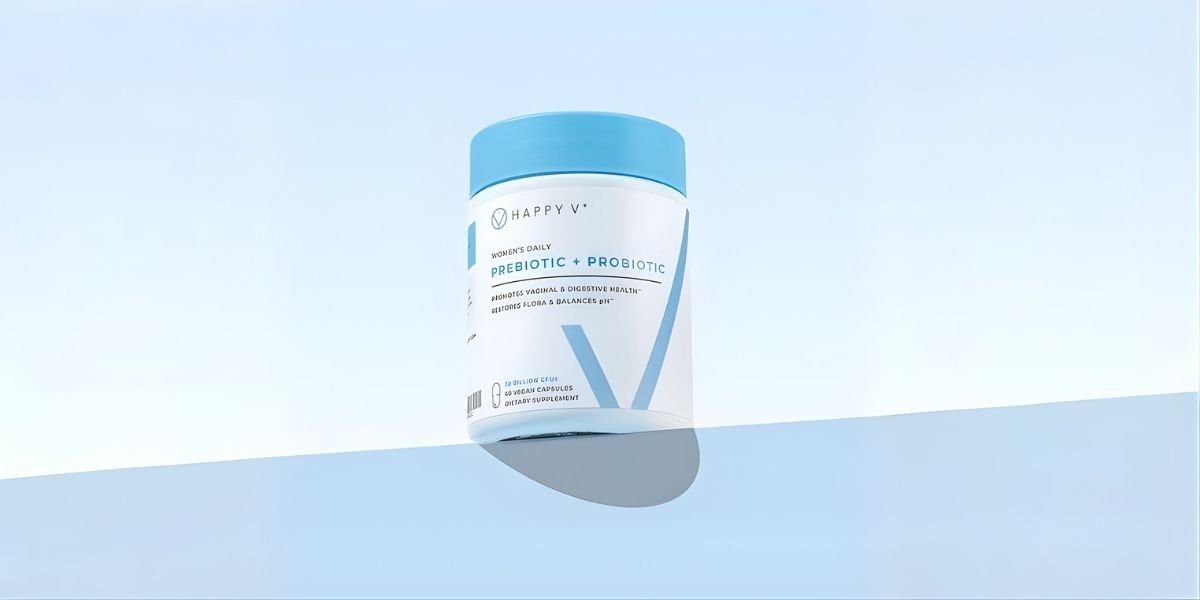
Understanding this difference has become a central focus for companies working in the women’s health space. Happy V’s best-known product, a prebiotic and probiotic formula created to support vaginal microbiome balance, was designed with this exact issue in mind.
Instead of focusing solely on digestion, the formula incorporates clinically studied ingredients and beneficial strains that support vaginal health while also promoting gut, immune, and skin wellness. The goal is not to promise unrealistic outcomes or quick fixes, but to provide targeted nutritional support to help maintain balance across the body’s interconnected systems.
Another factor that often gets overlooked is dosing. Many supplements include probiotic strains at amounts that seem impressive but may not reflect clinically effective doses. Happy V addresses this by manufacturing its products in its own facility and ensuring that each ingredient is included at a dose consistent with clinical research.
For women navigating recurring microbiome concerns, these details can make a meaningful difference. When the right strains and doses are present, supplements may support the body’s natural balance and minimize symptoms associated with microbiome disruption.
Hormones, Life Stages, and Vaginal Microbiome Health
Another reason the vaginal microbiome deserves its own conversation is how closely it interacts with hormonal changes.
Across a woman’s life, hormones influence everything from vaginal pH to microbial balance. Puberty, pregnancy, postpartum recovery, and menopause all bring shifts that can reshape the vaginal environment.
Estrogen plays a particularly important role. Higher estrogen levels tend to support the production of glycogen, a compound that beneficial bacteria use as fuel. When estrogen levels decline, such as during menopause, the vaginal environment can become less acidic and more prone to imbalance.
This hormonal connection explains why many women experience microbiome changes during transitional life stages. It also helps clarify why a one-size-fits-all approach to wellness products rarely works.
Women in their twenties navigating sexual health may have different needs than women approaching perimenopause or menopause. Recognizing these differences, Happy V recently introduced additional formulations to support menopause, ovarian health, and PMS.
These products reflect a broader shift happening in women’s health: the recognition that hormonal and microbiome health are deeply connected. When women have access to clear information and thoughtfully designed tools, it becomes easier to support their bodies through these changes.
Education remains one of the most powerful pieces of that puzzle. Public health initiatives increasingly emphasize that many women’s health concerns remain under-discussed or misunderstood. 20-30% of women experience bacterial vaginosis at some point in their lives, yet stigma and lack of accessible information often prevent open conversations about vaginal health (Source: National Library of Medicine, 2013).
Breaking that silence can make an enormous difference. When women feel comfortable discussing symptoms and seeking information, they are more likely to find solutions that align with their needs.
One of the most valuable things happening in modern wellness is a growing shift toward transparency and education. Instead of treating women’s health as a niche topic, more companies, clinicians, and public health advocates are recognizing the importance of accessible information.
That shift is exactly what Happy V hopes to contribute to.
By combining clinically formulated supplements with educational resources and community support, the company works to create a space where conversations about vaginal health feel normal rather than taboo. Daniella Levy’s experience navigating years of frustration before finding answers became the catalyst for building a brand focused on clarity, compassion, and science-backed solutions.
As National Public Health Week highlights the importance of prevention and health education, the vaginal microbiome deserves a place in the spotlight. Understanding that it is distinct from the gut microbiome is a small but meaningful step toward better health outcomes for millions of women.
When women are given accurate information, they can make informed choices about their health. That includes recognizing when targeted support may be helpful and choosing products designed with their bodies in mind.
A Better Conversation Around Women’s Microbiome Health
Women’s health conversations are evolving. Topics that once felt uncomfortable or rarely discussed are finally becoming part of everyday wellness dialogue, and that shift is long overdue.
Understanding the vaginal microbiome is not just about bacteria. It is about recognizing how complex and interconnected women’s bodies truly are. When science becomes easier to understand, women can feel more confident navigating their health journeys, asking better questions, and finding solutions that actually support their bodies.
For many women, that journey begins with simply realizing that vaginal health is its own ecosystem. It deserves attention, education, and products designed specifically with that biology in mind.
Women who want to learn more about supporting vaginal microbiome balance can explore educational resources and science-backed supplements from Happy V, including their well-known Prebiotic + Probiotic formula designed to support vaginal, gut, immune, and skin health.
Because when the conversation around women’s health becomes clearer, more women gain the tools they need to prioritize their well-being with confidence.
Disclaimer: The information provided in this article is for educational purposes only and should not be construed as medical advice. Consult with a healthcare provider before making any changes to your wellness routine or using supplements, especially if you have underlying health conditions or are taking other medications. The statements regarding the benefits of Happy V products have not been evaluated by the Food and Drug Administration (FDA). These products are not intended to diagnose, treat, cure, or prevent any disease.