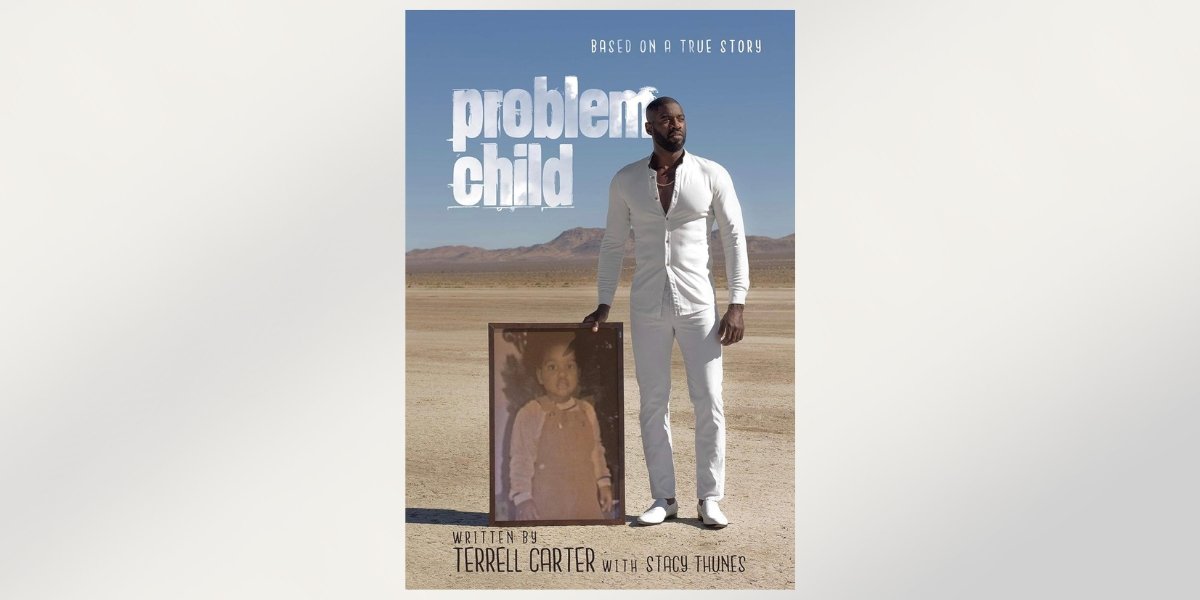


Terrell Carter’s life reads like a testimony of survival, faith, and transformation. His memoir, Problem Child, brings readers into a childhood shaped by trauma, a youth marked by escape and determination, and a career that rose from pain into global artistic recognition.
According to the book’s official description, Problem Child is an emotional memoir that chronicles Carter’s upbringing in Buffalo within a dysfunctional family, revealing a profound secret while balancing heartbreak and humor. But beyond the summary lies a story that is both deeply personal and broadly human.
A Child Born Into Chaos
Carter’s story begins in extraordinary circumstances. His mother was only eleven years old when she gave birth to him, a child herself, born with one leg amputated and living with special needs. While she should have been experiencing childhood, she instead faced trauma and hardship after being taken advantage of by someone who should have protected her.
Carter entered the world surrounded by shame, family division, and anger. Both sides of his family were at odds, and he grew up amid suspicion, pain, and violence. He recalls questioning his existence and praying for peace during a childhood filled with instability.
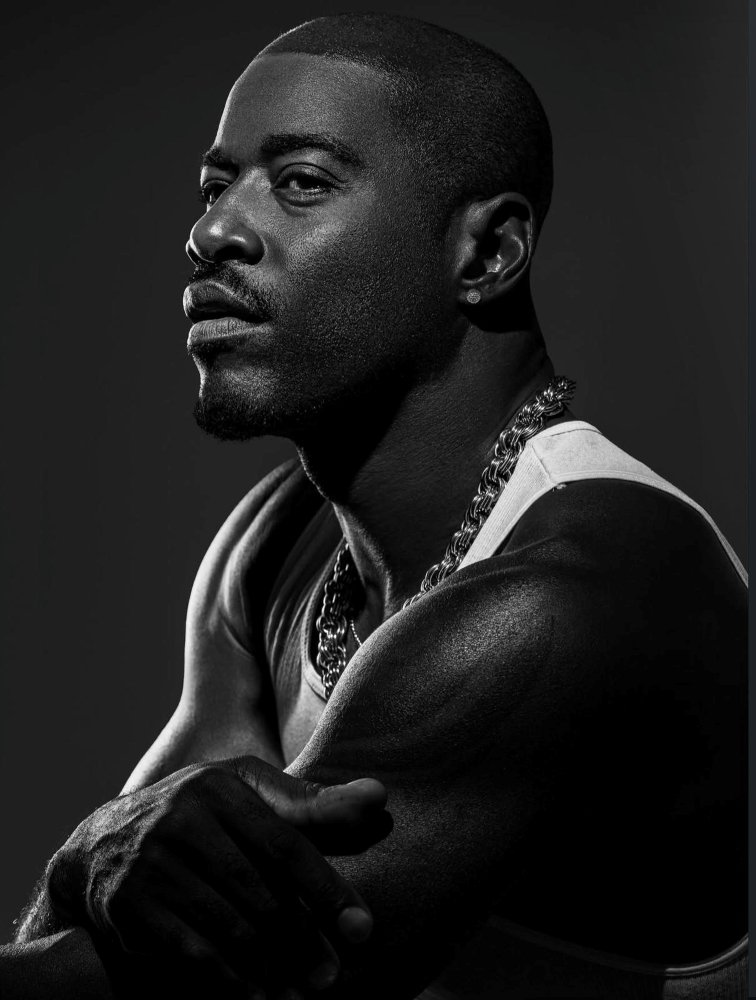
Photo Courtesy: Terrell Carter
A Mother’s Love and a Son’s Strength
Despite the turmoil, the bond between mother and son became a source of survival. With only eleven years separating them in age, Carter describes his mother as almost a sister figure, innocent in spirit yet loving him the best way she could.
At sixteen, a defining moment arrived. Seeing the danger surrounding him, his mother told him:
“You’ve got to get out of here, because if you stay, you’ll die. You’re different from the rest of us. You’re meant to do something greater.”
Those words pushed him to leave home with little more than faith and determination.
Finding Purpose Through Music
Music became Carter’s path forward. His early work with gospel icon Fred Hammond grounded him spiritually and musically. Soon after, he collaborated with P. Diddy and Stevie J, leading to writing and production work for Tevin Campbell, Tamia, and Deborah Cox. These opportunities eventually led to a signing with Quincy Jones.
Even as his career progressed, Carter viewed music as a healing tool, a way to transform pain into purpose.
Acting and a New Beginning
Another turning point came through the gospel circuit, which connected him to Tyler Perry’s early productions. Carter auditioned for the stage play Madea’s Class Reunion and earned a role.
He later appeared in Meet the Browns and contributed vocally to Perry’s film Diary of a Mad Black Woman, performing “Father Can You Hear Me” when another artist withdrew. The film reached #1 status, and the song became widely recognized as an anthem of faith.
That success opened doors to television, including roles in Shooter (USA Network), Empire (FOX), Netflix’s global hit From Scratch, and later Tyler Perry’s series Beauty in Black, where he portrayed attorney Zane.
The Music Never Left
Throughout his acting success, music remained central. Carter has released eight studio albums and numerous singles. His latest project, Mr. Carter, is dedicated to his mother, Candy, telling the story of survival, faith, and peace after hardship.
Why He Wrote Problem Child
Carter describes the memoir as “his soul on paper.” The book addresses abuse, confusion, love, faith, and redemption. He wrote it for those who grew up in trauma, who had to raise themselves, and who learned to dream despite discouragement.
His message is simple yet powerful: sometimes the child labeled a “problem” is the one destined to make a difference.
Full Circle
Today, Carter sees his life as the fulfillment of his mother’s belief that he was meant for something greater. Where he once felt shame about his origins, he now views them as armor, proof that purpose can rise from pain.
Problem Child ultimately stands as more than a memoir. It is a narrative of resilience, identity, and transformation, a reminder that even the most difficult beginnings can lead to a life of meaning, faith, and victory.