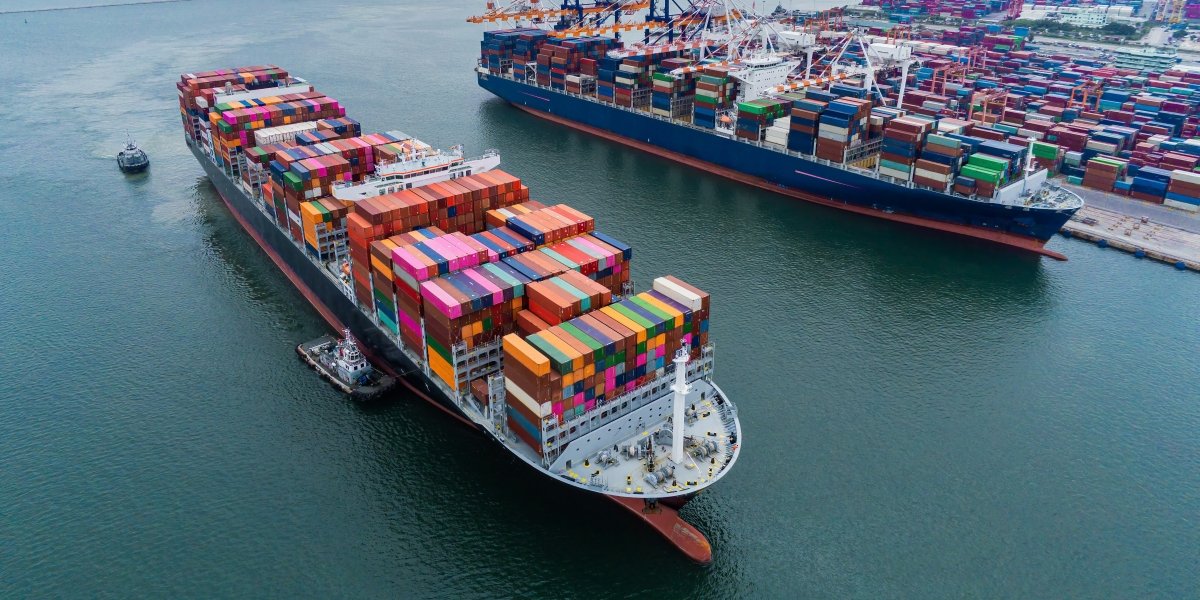

The global trade has entered a period of major change. A new 10% global tariff system is now in place, and it is making markets nervous. This shift has caused stock prices to bounce up and down, and many businesses are worried about the future. While 10% is the current rate, some experts warn that it could climb to 15% if trade arguments continue.
Why the Rules Changed So Quickly
The new tariff system appeared suddenly because of a court decision. Earlier trade rules were canceled by a judge, leaving a gap in the law. To fix this, leaders quickly put the 10% tariff in place.
Because this happened so fast, many large companies were caught off guard. They are now rushing to change how they buy materials and set their prices. Financial markets, which like stability, reacted with a lot of movement. Sectors like car manufacturing and electronics have been hit the hardest because they rely on parts from many different countries.
What a Tariff Actually Is
A tariff is basically a tax on goods that come from another country. When a government puts a 10% tariff on imports, it makes those products more expensive. This is important for three main reasons:
-
Higher Costs for Businesses: Companies that buy parts from overseas now have to pay more.
-
Price Hikes for Shoppers: To keep making money, businesses often pass these extra costs to the people who buy their products.
-
Retaliation: Other countries might get angry and put their own taxes on U.S. goods, starting a “trade war.”
A report from Reuters mentions that people are worried these taxes will slow down trade and make inflation worse. Inflation is when the prices of everyday items like food and gas go up.
The Challenge for Large Corporations
Big American companies are now looking at their “supply chains.” A supply chain is the path a product takes from being a raw material to a finished item on a store shelf. Companies in industries like retail, clothing, and machinery are the most at risk because they move so many goods across borders.
Executive leaders are talking about these problems during their meetings with investors. Some are looking for ways to build things closer to home so they can avoid the tax. This is often called “nearshoring.” However, moving a whole factory to a new country takes a long time and a lot of money. In the short term, many companies will simply have to deal with the higher costs.
Will This Change Interest Rates?
The new tariffs arrived at a very sensitive time for the economy. The Federal Reserve, the group that controls U.S. money policy, has been trying to bring inflation down to a target of 2%.
If tariffs make goods more expensive, inflation might stay higher for longer. If prices don’t stop rising, the Federal Reserve might find it hard to cut interest rates. Higher interest rates make it more expensive to borrow money for things like houses or cars. Investors are watching this closely because any sign of permanent inflation could change their plans for the rest of the year.
A Shift in Global Trade Flows
This 10% tax doesn’t just affect the U.S.; it changes how the whole world trades. If it becomes too expensive to ship goods to America, some countries might start selling more to Europe or Asia instead.
Countries that rely heavily on selling goods to the U.S. are feeling the pressure. At the same time, some local U.S. companies might be happy because the tax makes foreign products more expensive, making local products look like a better deal.
However, the big question is whether the tax will stay at 10%. If it moves toward 15%, the impact on the global economy will be much larger.
What to Watch Next
For now, the market will likely stay “volatile,” meaning it will change quickly and often. Investors and business owners are looking for a few specific clues to see what happens next:
-
Company Warnings: Will businesses tell investors that they are making less money because of the tax?
-
Inflation Reports: Will the cost of imported items go up in the next few months?
-
Counter-Taxes: Will other countries put taxes on American products like soybeans or airplanes?
The new 10% tariff has brought a lot of uncertainty back to the global economy. While the 10% rate is manageable for some, the fear that it could rise to 15% is keeping people cautious.
This situation shows how quickly the rules of global business can change. Until there is a clear plan for the future, everyone from Wall Street investors to local shoppers will be watching the news closely. The relationship between trade, prices, and government policy will be the most important story for the rest of 2026.
Would you like me to find a list of specific products that are most affected by this new 10% tax?