With Thanksgiving 2025 fast approaching, families across the U.S. are preparing for the holiday, but one thing that could impact plans this year is the potential arrival of a polar vortex. Weather experts have been closely monitoring atmospheric patterns, and reports indicate that cold temperatures might sweep across much of the country. For investors and businesses, these extreme weather events can significantly influence various sectors, from retail to energy markets.
We’ll explore what the potential for a polar vortex means for Thanksgiving 2025, how it could affect Wall Street, and what businesses and investors should keep an eye on in the coming weeks.
What is a Polar Vortex, and How Does It Impact Weather?
A polar vortex is a large area of low pressure and cold air surrounding the Earth’s poles. When it is stable, the vortex remains near the Arctic region. However, during certain weather patterns, the vortex can shift southward, bringing frigid temperatures to parts of the United States. If the polar vortex affects North America around Thanksgiving 2025, it could lead to colder-than-average temperatures, snowstorms, and dangerous driving conditions.
Polar vortex events have become increasingly notable due to their influence on weather extremes. The occurrence of a polar vortex during Thanksgiving could bring disruptions not only to holiday travel but also to consumer behavior and various market sectors.
Polar Vortex and Its Impact on Retail and Consumer Spending
Thanksgiving is a significant time for retailers, especially with Black Friday and Cyber Monday closely following the holiday. A severe weather event, such as a polar vortex, can have a considerable impact on consumer shopping behavior. Retailers rely on the influx of shoppers during this period, but extreme cold or snowstorms could cause delays in delivery or reduce foot traffic to stores.
Consumers may also delay or limit their holiday shopping plans if travel is disrupted or if weather conditions create an uncomfortable shopping experience. For investors, this means keeping an eye on the performance of major retailers and e-commerce platforms. Retail stocks might experience volatility if weather patterns interfere with consumer behavior.
In past years, extreme weather events during the holiday shopping season have influenced the retail sector’s earnings, making this a critical factor to monitor.
Energy Markets: How a Polar Vortex Could Impact Supply and Demand
The energy markets are another sector that could feel the effects of a polar vortex. Cold weather places additional demand on heating energy, particularly natural gas and heating oil, as homes and businesses try to keep warm. When a polar vortex brings extreme cold, it often leads to higher prices for these energy commodities.
For investors involved in energy stocks or ETFs, this means that fluctuations in natural gas and oil prices could occur, depending on the severity of the cold snap. It’s important for investors to keep an eye on how weather patterns affect energy supply and demand, especially with the winter heating season already underway.
Weather-induced disruptions to energy supply chains could lead to power outages or delays in production, impacting the broader economy. This makes energy stocks and market volatility a key focus for investors who need to stay ahead of weather-driven price shifts.
Transportation and Supply Chain Disruptions: A Key Risk for Markets
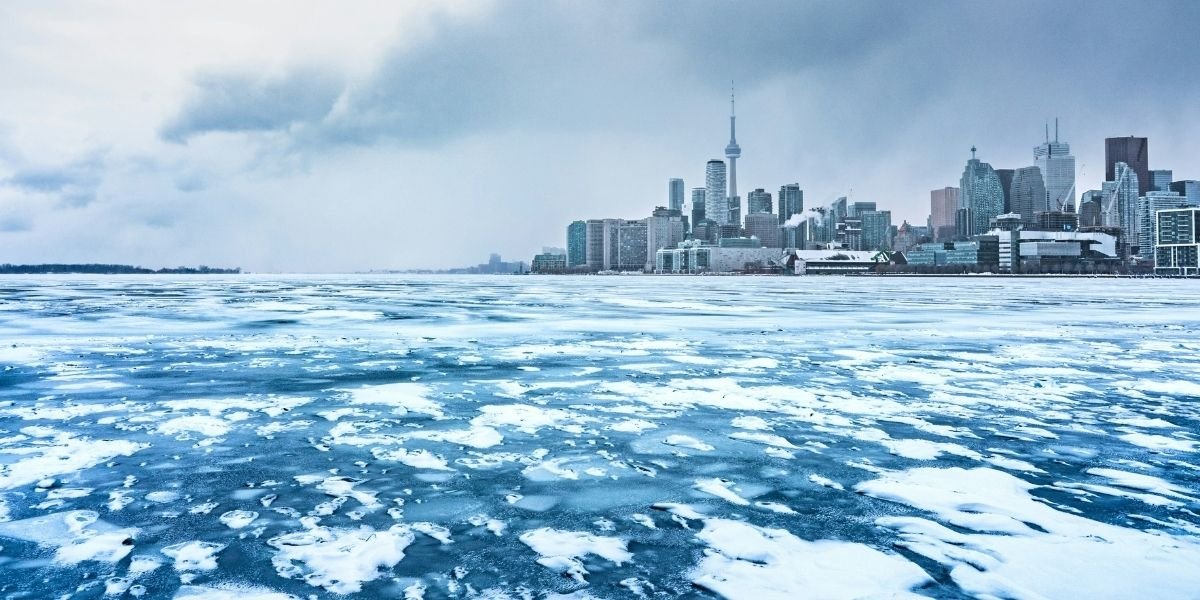
Photo Credit: Unsplash.com
Thanksgiving 2025 could see significant transportation challenges if a polar vortex causes widespread snow and ice storms. Airports could face closures or delays, potentially impacting air cargo shipments and holiday travel plans. Major transportation hubs like those in New York, Chicago, and Boston are particularly vulnerable to such weather disruptions, which could affect not only individual travelers but also the delivery of goods.
For businesses and investors monitoring the stock performance of transportation companies, supply chain delays, and increased costs could be a pressing concern. Companies that rely on timely deliveries for holiday goods may face logistical headaches that could result in lower-than-expected profits. Supply chain stocks, including those tied to logistics providers, shipping carriers, and air freight, could see increased volatility as investors react to delays.
How to Prepare for the Polar Vortex’s Economic Effects
As the possibility of a polar vortex looms over Thanksgiving 2025, both businesses and investors should take proactive measures to understand the potential economic impact. Here are a few steps that may help mitigate risks and seize opportunities:
-
Retailers: Ensure that supply chains are well-stocked and that delivery systems are optimized for adverse weather conditions. Additionally, consider ramping up marketing for online sales, as consumers may shift to e-commerce if local conditions are unfavorable for shopping.
-
Energy Stocks: Investors should monitor weather forecasts closely and be prepared for increased demand in heating fuels. Stocks of companies in the energy sector, particularly those focused on natural gas and heating oil, could be poised to benefit from an increase in usage during the coldest days of the season.
-
Transportation: Companies that rely on timely deliveries may need to adjust logistics strategies and ensure their systems are resilient to weather disruptions. For investors, the performance of transportation companies in the face of severe weather could provide insights into broader supply chain health.
The Bottom Line for Investors: Stay Informed and Be Prepared
While a polar vortex in November is still a forecast rather than a certainty, it is important for investors and businesses to stay informed about weather patterns and their potential impact. The disruption of travel, changes in consumer behavior, shifts in energy prices, and strain on supply chains could all play a role in the market’s performance during this critical time of year.
By keeping a close eye on developments in weather forecasting, as well as monitoring how sectors such as retail, energy, and transportation respond, investors can position themselves to either minimize risks or capitalize on opportunities created by this seasonal event.
As Thanksgiving 2025 approaches, a potential polar vortex could become more than just a weather concern—it could have real financial consequences. Understanding the economic implications and staying prepared will be key to navigating this volatile time.